Minnesota warns St. Louis County anglers on fish consumption limits
Walleye, northern pike and bigger muskie carry the tightest limits in St. Louis County, with the Beaver River and Lester River singled out for stricter advice.
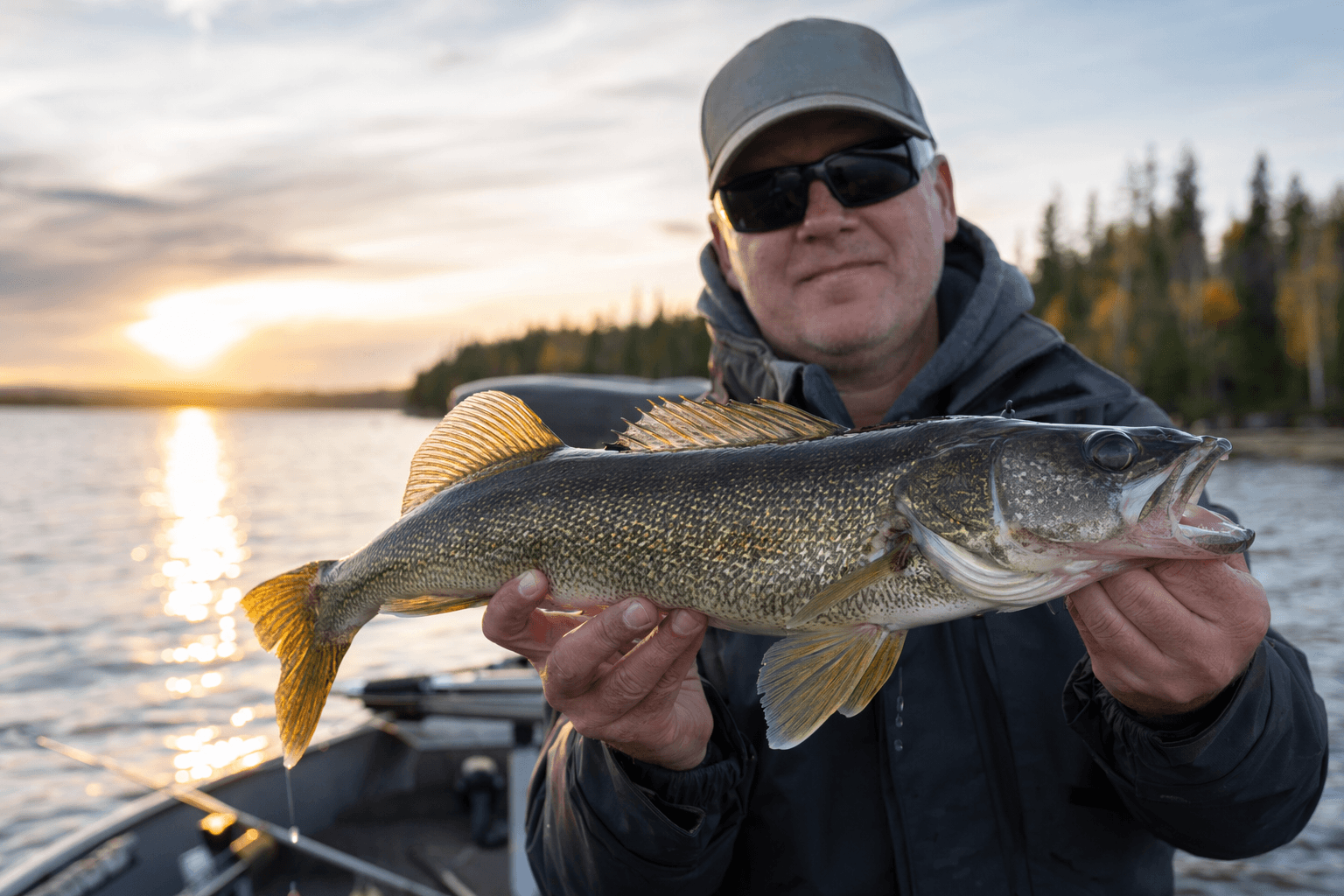
Walleye, northern pike and larger muskie are the fish St. Louis County anglers need to watch most closely this opener, especially in the northeast waters where state guidance is tighter and on stretches like the Beaver River and Lester River. The limits matter most at the dinner table, where children under 15, pregnant people and anyone planning pregnancy or breastfeeding face the strictest advice.
The Minnesota Department of Health released its updated fish consumption guidance on March 24, 2026 after reviewing fish tissue data for mercury and PFAS. State officials said the testing is now done at Minnesota’s Public Health Lab instead of being outsourced to Canada. The review was the first comprehensive look at all available mercury data since 2020, and it used information going back to 1967. The update was developed with the Minnesota Pollution Control Agency and the Minnesota Department of Natural Resources.
For Cook, Lake and St. Louis counties, the new northeast guidance reflects the fact that fish from the region generally carry higher mercury concentrations than fish from other parts of Minnesota. The state also added length-based advice for walleye and northern pike because larger, older fish tend to hold more mercury. That makes size a practical decision point for anglers sorting through a weekend catch, since smaller fish are less likely to trigger the tighter limits than older trophy fish.
The general statewide advice is still to keep meals modest. For most people, the department recommends no more than one serving of fish per week and encourages eating different species from different waters. For families with children or pregnant household members, the message is more cautious: the same fish can move from a healthy meal to a higher-risk choice depending on where it was caught and how big it is.
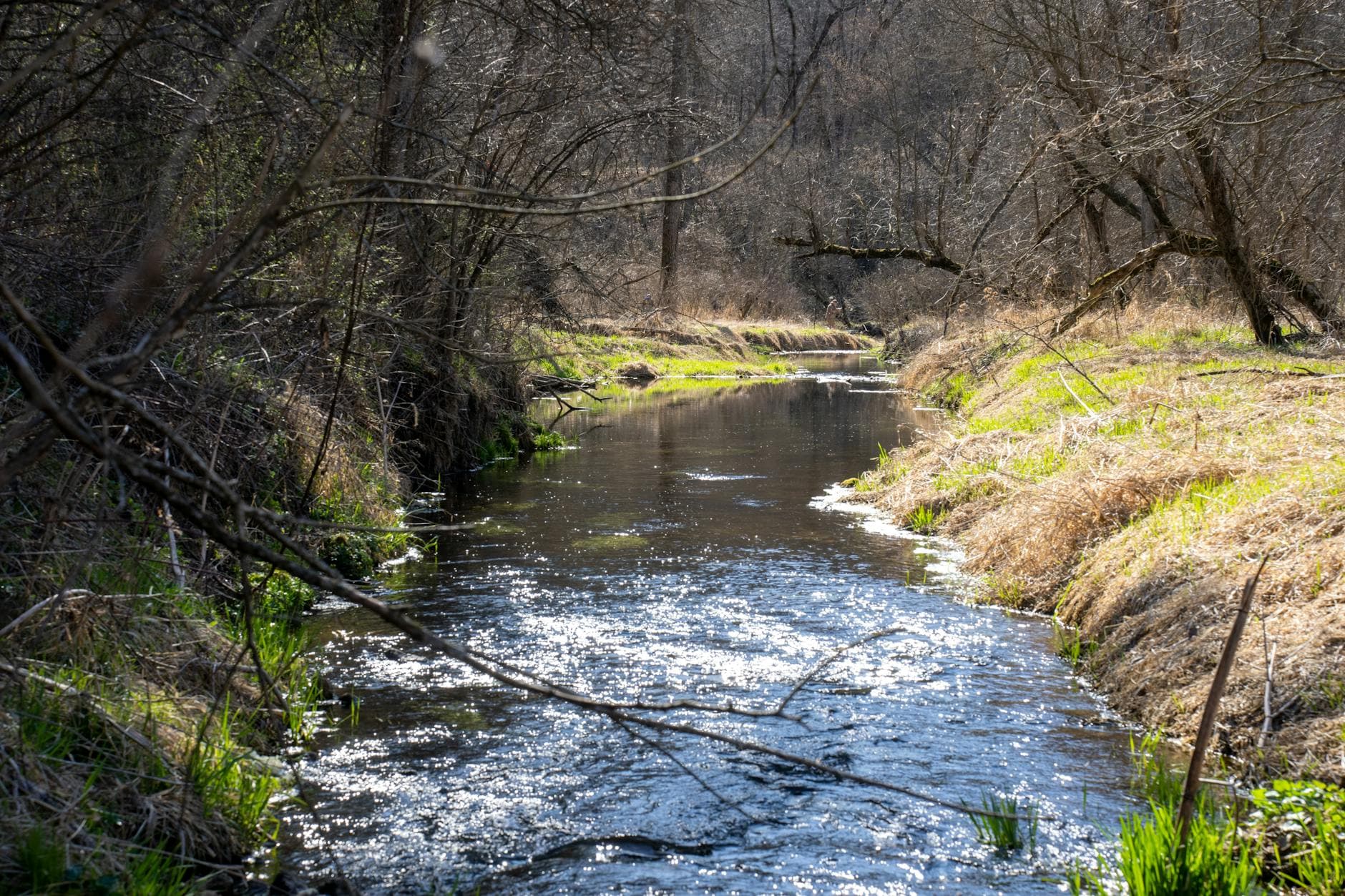
Several local waters carry their own special rules. The Beaver River in St. Louis County has PFAS-related guidance that recommends minimal consumption of all species. The Lester River has mercury-related guidance for rainbow trout that limits consumption to twice a week. MDH also added PFAS guidance for the Vermillion River system in Dakota and Scott counties, showing that contamination concerns are not confined to one corner of the state.
Health officials say the concern is not abstract. Mercury can damage the kidneys, liver and nervous system, and it can affect children’s learning and understanding. For Northland anglers heading to inland lakes or Lake Superior fisheries, the update turns a familiar spring ritual into a more careful calculation: which fish to keep, which to release, and which ones belong off the family plate altogether.
This article was produced by Prism’s automated news system from verified source data, official records, and press releases, then run through automated quality and moderation checks before publishing. The system is built and supervised by the people who set the standards it runs under. Read our full AI policy.
Did this article answer your question?