Northland energy leaders stress infrastructure needs as demand grows
Northland utility leaders warned that cleaner power alone won't be enough if the region delays new wires, pipelines and other infrastructure tied to demand growth.

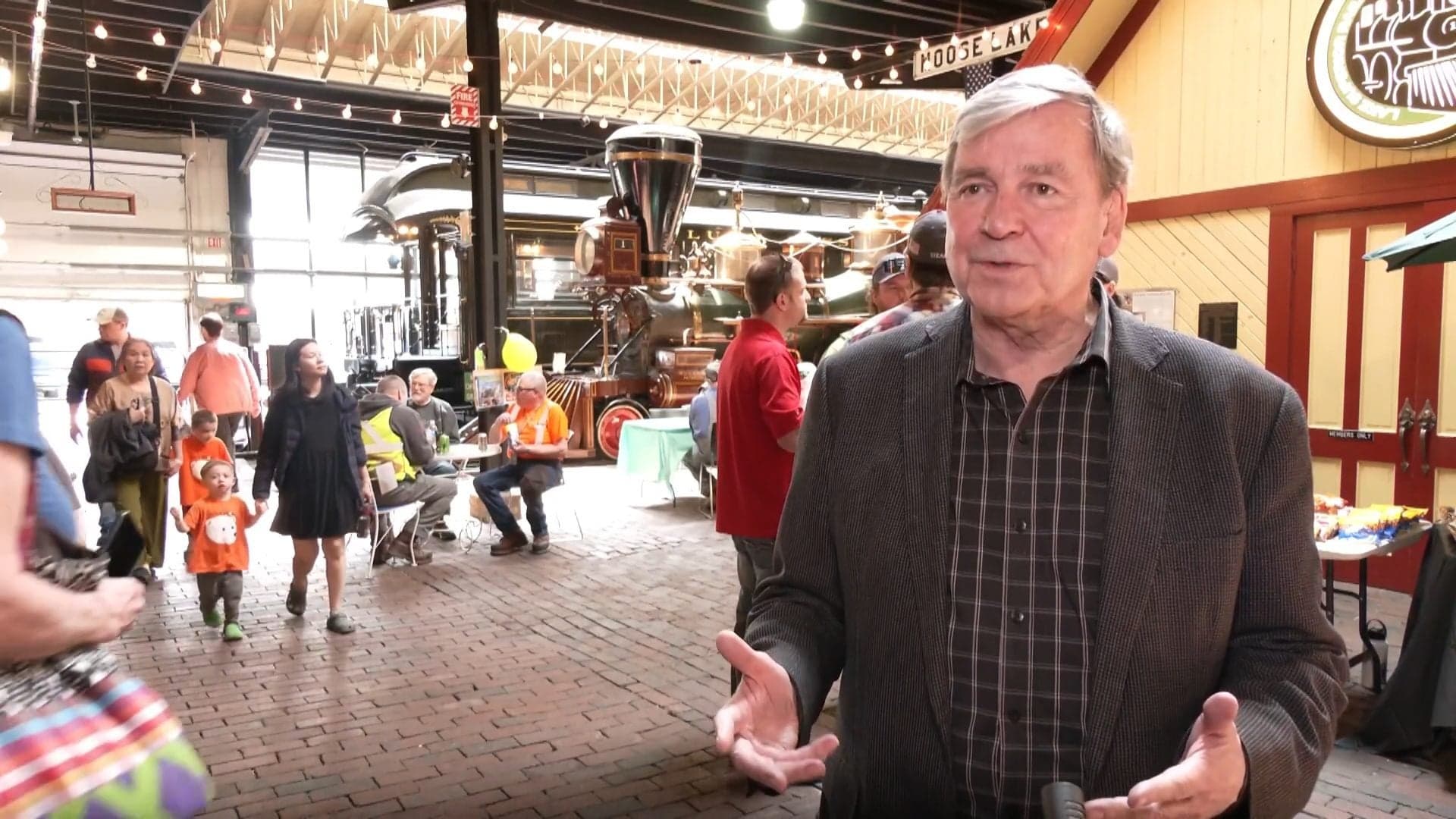
Energy leaders in the Northland said the region cannot afford to treat the clean-energy shift as a replacement for the grid it already depends on. At the Hermantown Area Chamber of Commerce’s State of Industry luncheon, held May 19 from noon to 1 p.m. at Black Woods Event Center in Proctor, panelists from Enbridge, Minnesota Power and Minnesota Energy Resources focused on reliability, affordability and the cost of waiting too long to invest.
The chamber’s speaker lineup underscored how local the debate has become. Paul Eberth, director of Midwest Region Operations, LP, at Enbridge, joined Julie Pierce, vice president of strategy and planning at Minnesota Power, and Scott of Minnesota Energy Resources. Their message was that the Northland’s energy future will be decided as much by the strength of existing pipelines, transmission lines and distribution systems as by the region’s push for more renewable power.
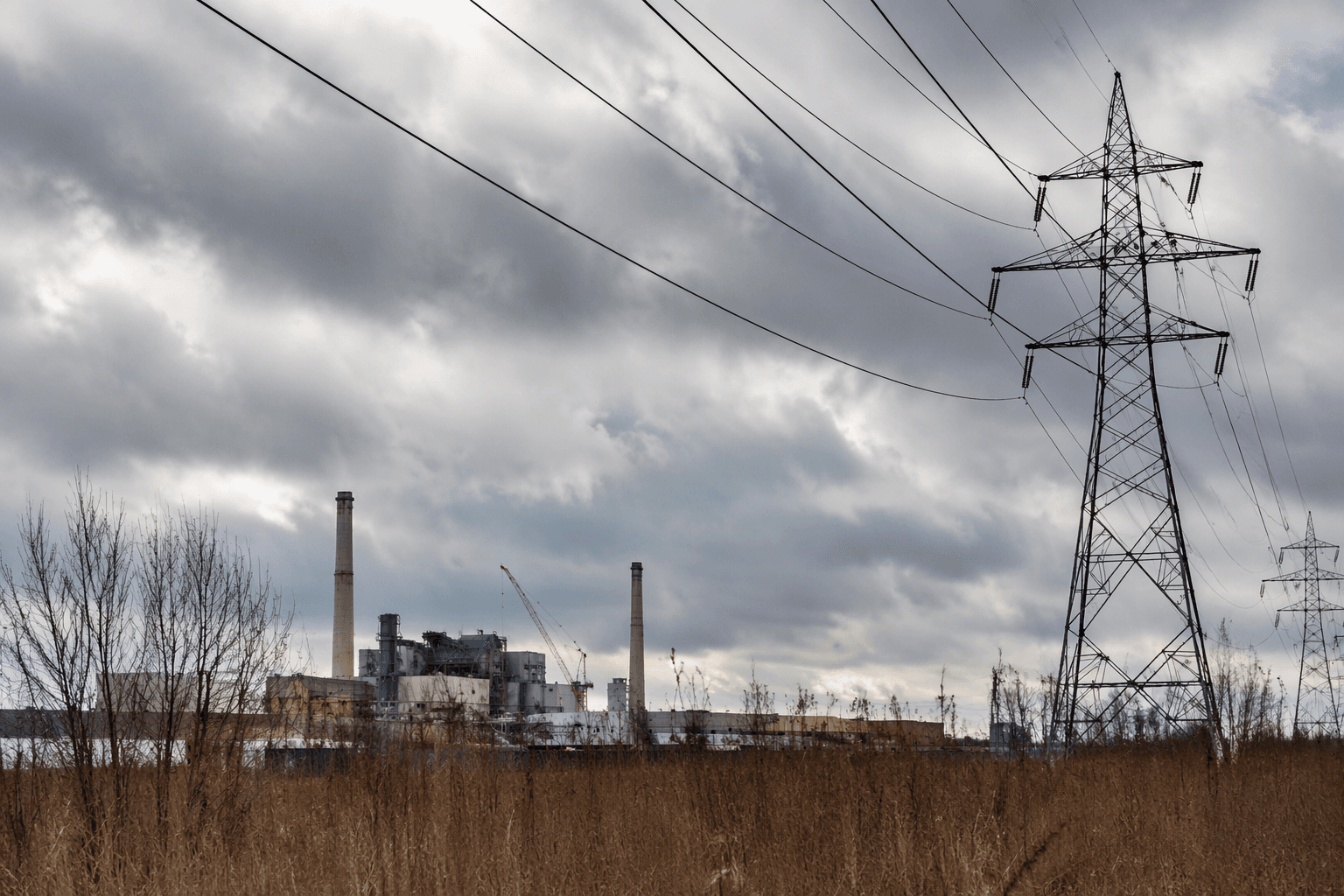
Minnesota Power’s 2025 Integrated Resource Plan puts hard numbers behind that tension. Its growth plan calls for about 750 megawatts of new natural gas resources by 2035 and 100 megawatts of new industrial demand response by 2028, even as the utility says it wants to reach 80% renewable power supply by 2030 and 90% by 2035. That mix reflects the practical challenge facing St. Louis County and the broader Northland: homes, manufacturers and local governments still need steady service while the energy system evolves around them.
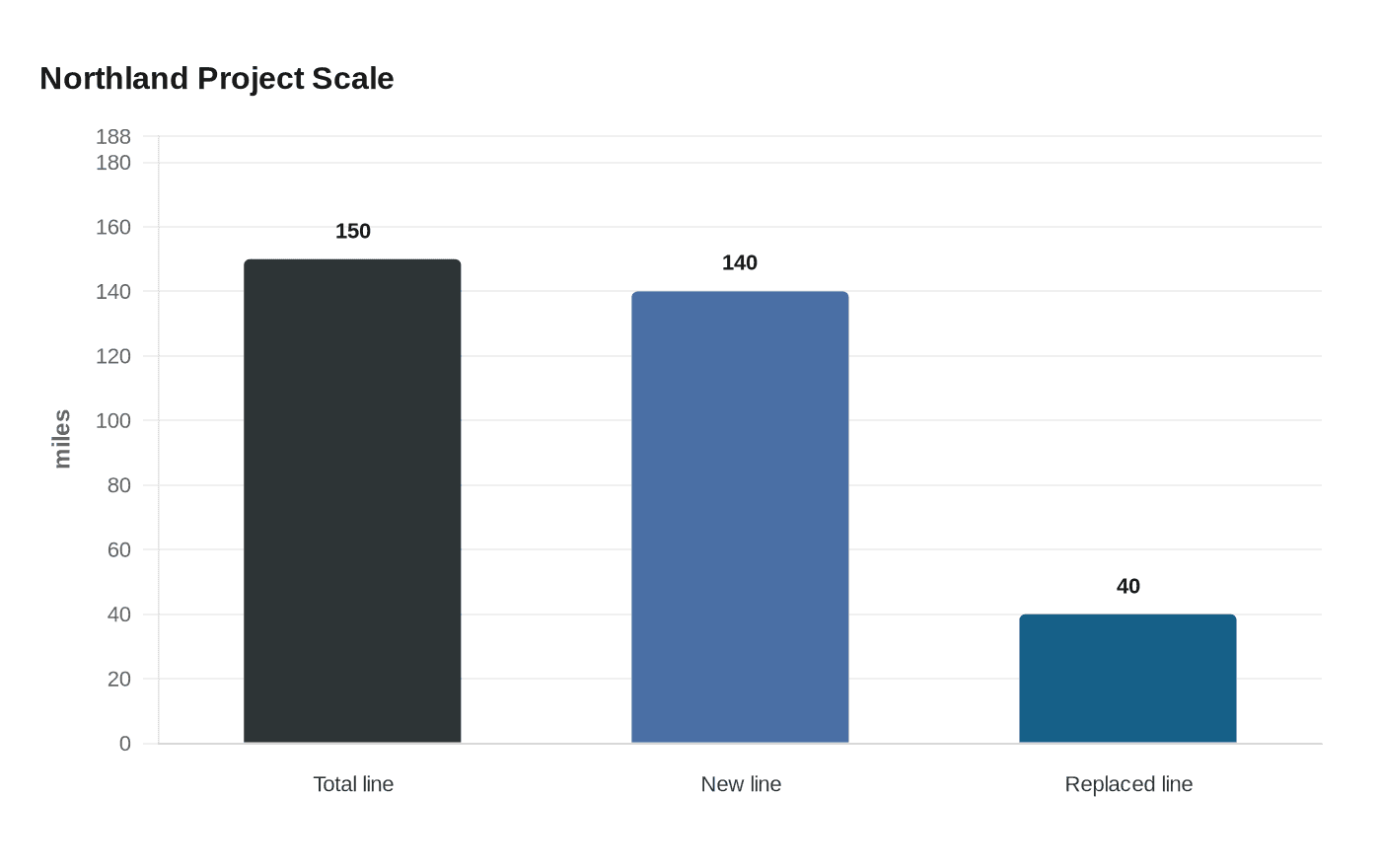
The clearest example is the Northland Reliability Project, a roughly 150-mile, double-circuit 345-kilovolt transmission line from northern Minnesota to central Minnesota near Becker. State materials describe it as about 140 miles of new line plus about 40 miles of existing line to be replaced, and the Minnesota Public Utilities Commission approved the project in 2024. Utility planners say the line is meant to improve grid reliability, resilience and the ability to move clean energy as demand grows and the system changes.
Enbridge’s Line 3 replacement also loomed over the discussion as a reminder that energy infrastructure decisions shape more than utility service. Minnesota Department of Natural Resources records show the company sought to restore the line to its original operating capacity of 760,000 barrels per day, while Enbridge says the U.S. portion of the project created more than $378 million in economic opportunities for Tribal nations, Tribal members and Native American-owned businesses. For the Northland, the message was straightforward: infrastructure delays can mean higher risk, slower growth and less room for future jobs, while investment can support reliability, business expansion and long-term competitiveness.
This article was produced by Prism’s automated news system from verified source data, official records, and press releases, then run through automated quality and moderation checks before publishing. The system is built and supervised by the people who set the standards it runs under. Read our full AI policy.
Did this article answer your question?