Project Joy ramps up summer food bags for nearly 900 kids weekly
Volunteers at Coppertop Church packed the first Joy Bags of the summer as Project Joy prepared to feed nearly 900 Northland kids each week. The effort fills the gap left when school meals stop.
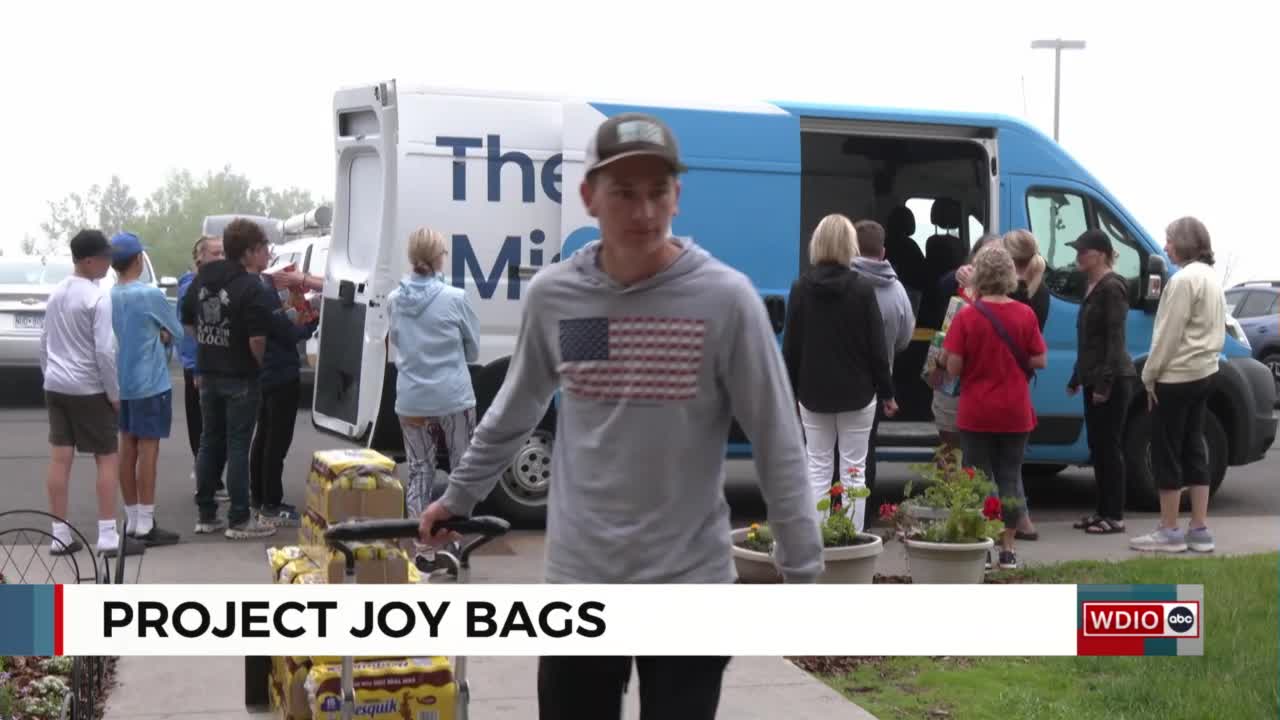
When school breakfast and lunch disappear for summer, Project Joy steps in with nearly 900 food bags each week for children across the Northland. Volunteers gathered at Coppertop Church to pack the first round of Joy Bags, a hands-on effort aimed at keeping kids fed from Two Harbors down to Sturgeon Lake.
The need is rooted in a simple problem with broad consequences: many families lose the dependable food support that comes with the school year just as budgets get tighter. Project Joy’s mission is to end food insecurity in schools and communities, and the summer food-bag program has become one of the clearest ways it does that work in northeast Minnesota and northwest Wisconsin.
The organization began in 2012 in memory of Patrick Plys, a Duluth Hall of Famer and longtime community volunteer who died at 48 after battling brain cancer. That origin still shapes the program’s identity and its fundraising. What started as a network of friends, family and community allies has grown into a larger system of volunteers and donors working to keep the bags moving every summer.

The distribution effort depends on partners, including Union Gospel Mission and the United Way of Carlton and Pine County Area. Project Joy has also leaned on major fundraising support, including a 2025 bonspiel at the Duluth Curling Club that brought in more than $163,000. Those dollars help cover the cost of food and the logistics required to get it into the hands of families who need it.
Project Joy’s summer reach has expanded over time. The group previously said it distributed more than 4,300 bags in one year, and later reported that one summer’s effort helped supply almost 7,000 food bags for children from Two Harbors down to Moose Lake. The latest push underscores how much of the work still depends on volunteers showing up, packing bags, and turning donated money into a reliable source of food when school doors close.

As the summer goes on, the program’s physical labor and steady fundraising remain tied to the same goal that has guided it from the start: making sure children do not face empty days just because the school year ended.
This article was produced by Prism’s automated news system from verified source data, official records, and press releases, then run through automated quality and moderation checks before publishing. The system is built and supervised by the people who set the standards it runs under. Read our full AI policy.
Did this article answer your question?