Resource Renew opens doors, shows St. Louis County waste processing
More than 120,000 tons of garbage move through Resource Renew each year, and the wrong item in the wrong bin can push expensive waste straight toward the landfill.
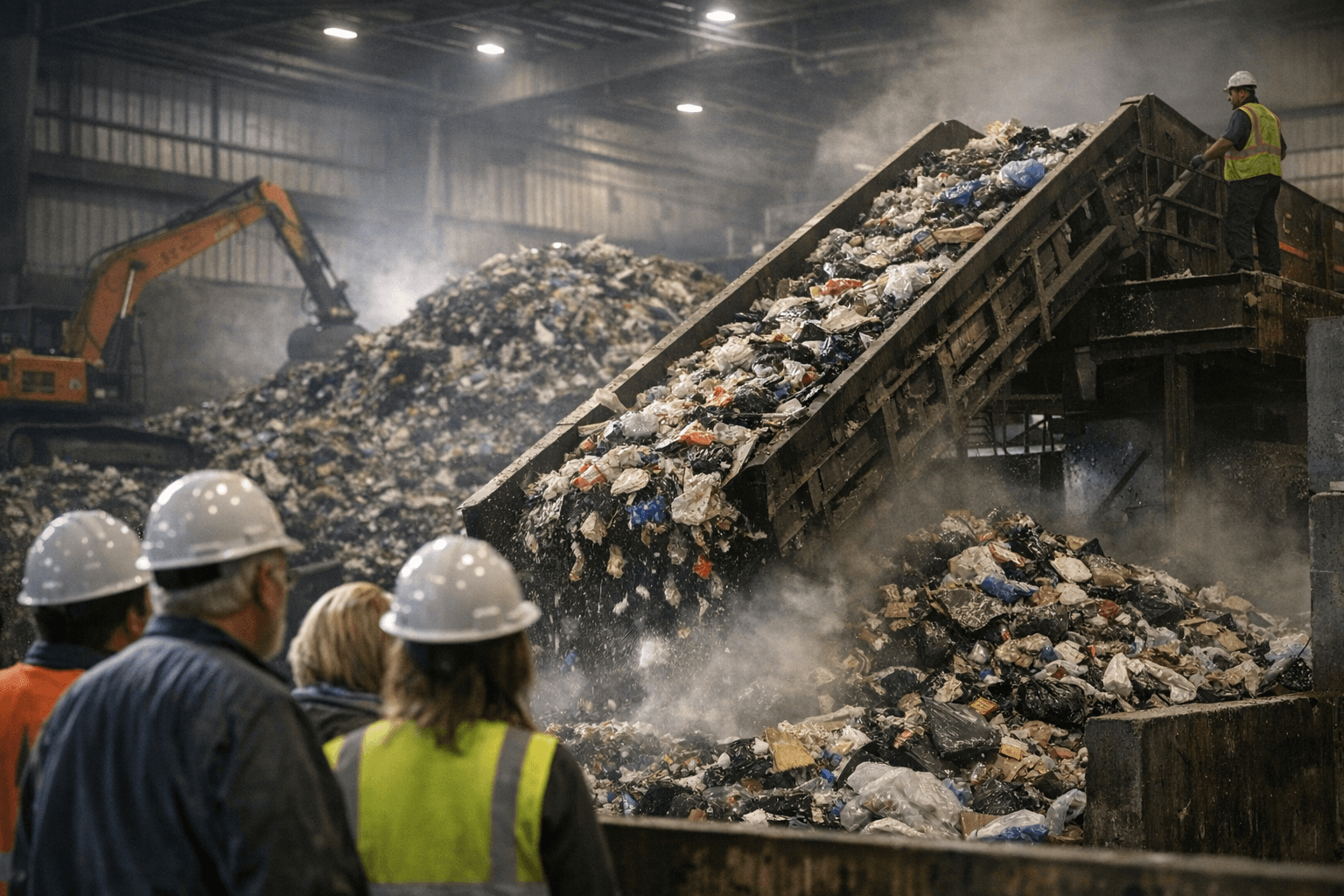
More than 120,000 tons of garbage passed through Resource Renew’s transfer station each year, a scale that turns ordinary trash day into one of St. Louis County’s largest and costliest public systems. The tour made clear that the agency is not just a wastewater plant. Resource Renew, the public name for the Western Lake Superior Sanitary District, is a special-purpose unit of government with authority over solid waste and wastewater across a 530-square-mile region around Duluth.
The district was created by the Minnesota Legislature in 1971 to respond to serious pollution in the lower St. Louis River Basin, and that history still shapes its work today. Resource Renew serves Duluth, Cloquet, Hermantown, Proctor, Rice Lake, Carlton, Scanlon, Thomson and Wrenshall, along with surrounding townships. Sustainability specialist Emma Pardini said the point of opening the site to the public was to show where trash goes and how it is processed, while also underscoring the value of sorting and reusing materials.
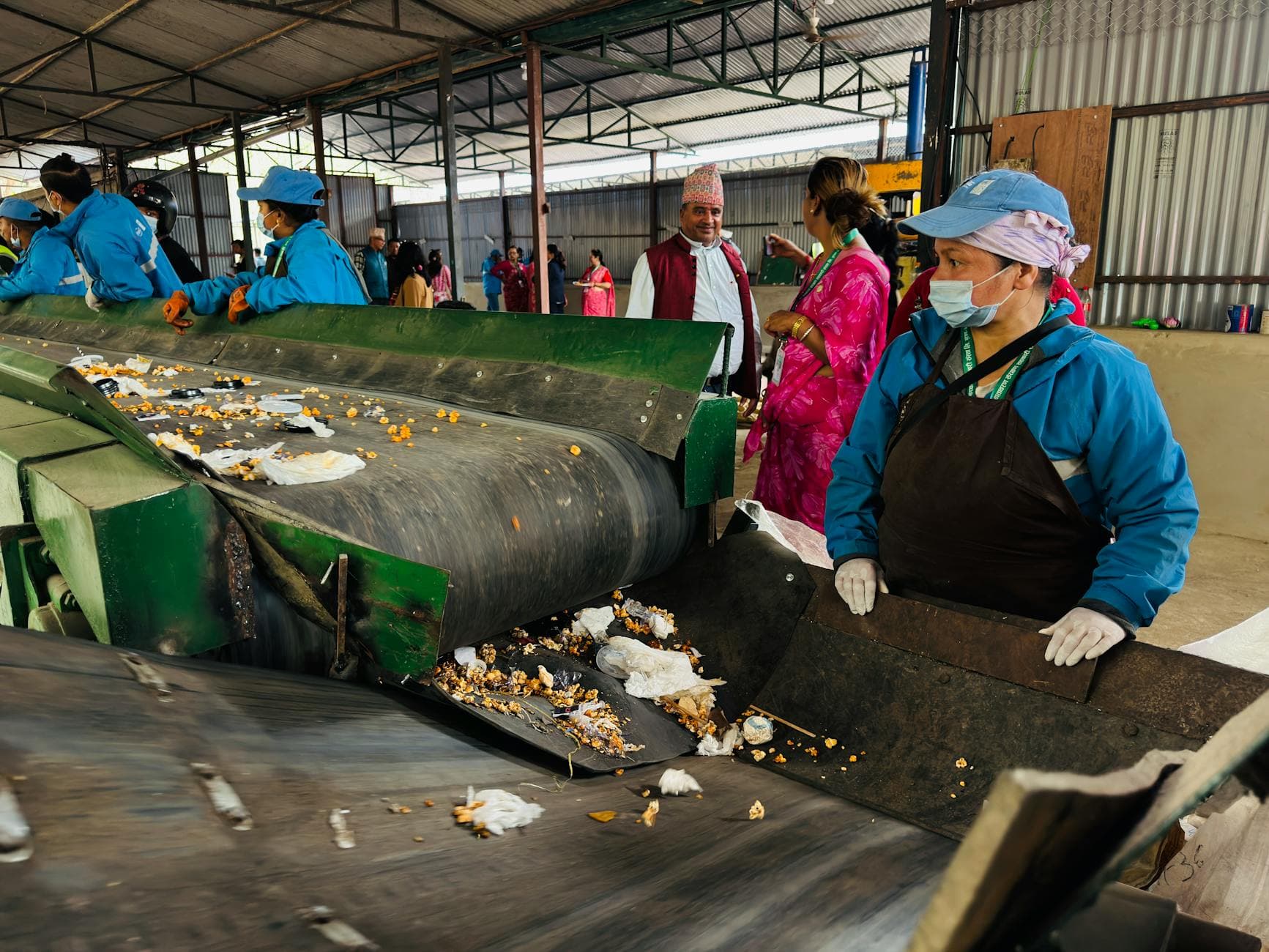
The tour moved through the household hazardous-waste facility, the yard-waste compost site and the solid-waste transfer station, where garbage collected by independent haulers is inspected and then loaded into larger trucks for the trip to Moccasin Mike Landfill in Superior, Wisconsin. Resource Renew says that garbage comes from as far away as Grand Marais, Minnesota, and Ashland, Wisconsin. The agency’s Materials Recovery Center gives that same system another job: keeping bulky items such as appliances, tires and electronics out of the landfill when they can still be reused, recycled or recovered. Free furniture, bikes, paints and household cleaners can also find a second life there.
Resource Renew says its solid-waste management fee helps pay for hazardous-waste disposal, recycling, composting and waste-reduction programs. That makes sorting more than a matter of convenience. When residents toss chemicals, electronics or other special items into the wrong stream, the cost falls back on a system already built to handle dangerous material safely and move thousands of tons of waste efficiently.
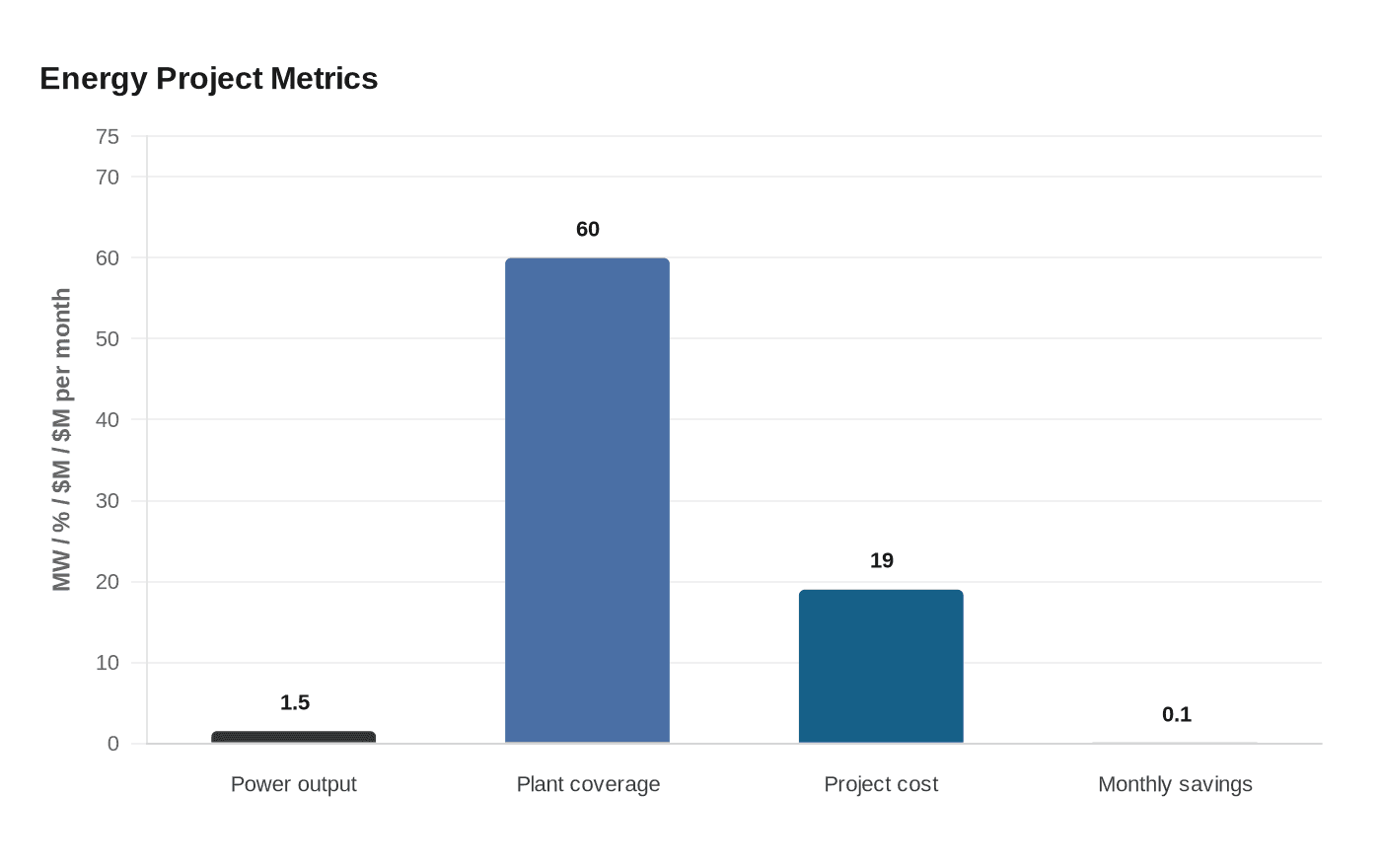
The district is also changing how it powers itself. In April 2025, Resource Renew installed three new engine generators that can turn biogas into 1.5 megawatts of electricity, enough to power about 60% of the treatment plant. The project cost about $19 million and is expected to save about $100,000 a month on electricity. St. Louis County also approved a 10-year contract in May 2025 to send municipal solid waste to the St. Louis County Regional Landfill in Virginia starting in July 2026, as the Superior landfill prepares to close. County officials say the Virginia site, which opened in 1993, could last more than 70 years after upgrades, a sign that the region’s waste system is being rebuilt piece by piece.
This article was produced by Prism’s automated news system from verified source data, official records, and press releases, then run through automated quality and moderation checks before publishing. The system is built and supervised by the people who set the standards it runs under. Read our full AI policy.
Did this article answer your question?