Ruby's Pantry Closing All Locations, Leaving 120 Midwest Communities Without Aid
Ruby's Pantry closed all 85 Midwest pop-up sites March 30 after 23 years, cutting off monthly food distribution for 200,000+ families, including Duluth, Eveleth, and Hermantown.
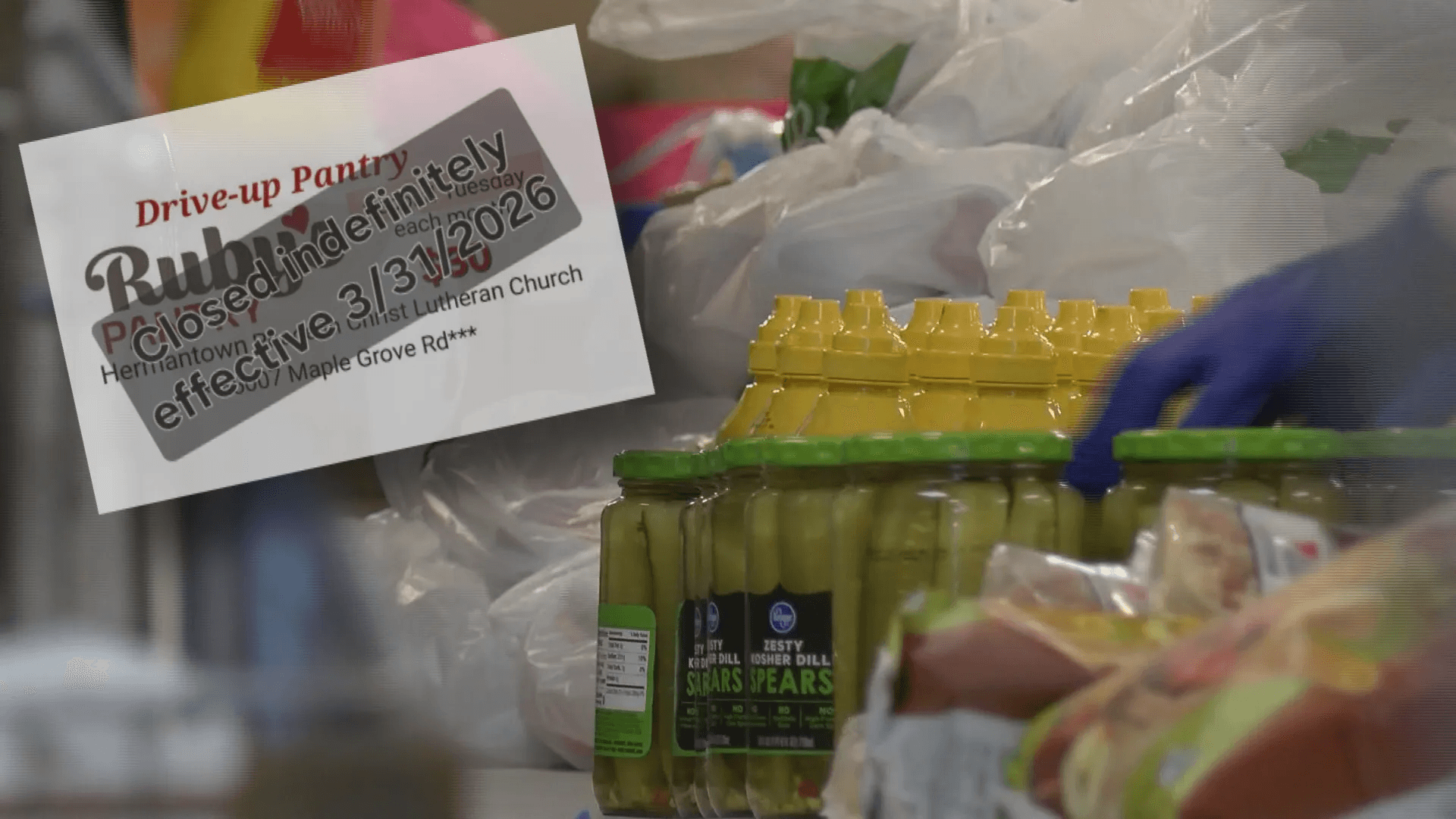
Ruby's Pantry, a faith-based nonprofit that distributed low-cost groceries to more than 200,000 families across the Upper Midwest every year, shut down all 85 of its pop-up sites effective March 30, ending 23 years of food assistance across more than 120 communities, including locations in Duluth, Eveleth, and Hermantown in St. Louis County.
Local volunteers found out by email on the morning of March 31, hours after the organization posted a closure notice on its website. "After more than 20 years of serving families with both food and hope, Ruby's Pantry has made the difficult decision to permanently close operations, effective March 30, 2026," the statement read, citing economic challenges and rising distribution costs that had made the ministry's model financially unsustainable.
Among the 37 Minnesota locations that shuttered simultaneously was the Duluth site at First Methodist Church, Eveleth's Clinton Town Hall, and the Hermantown pop-up that served the city's western corridor. Altogether, Ruby's Pantry operated across Minnesota, Wisconsin, eastern North Dakota, and northern Iowa before the abrupt shutdown.
Laurie Kallinen, volunteer coordinator at the Silver Bay site roughly 60 miles northeast of Duluth, said she had received no warning before the email arrived. "This was completely out of the blue that the program is closing," Kallinen said. "It was just shocking. Just absolutely shocking."
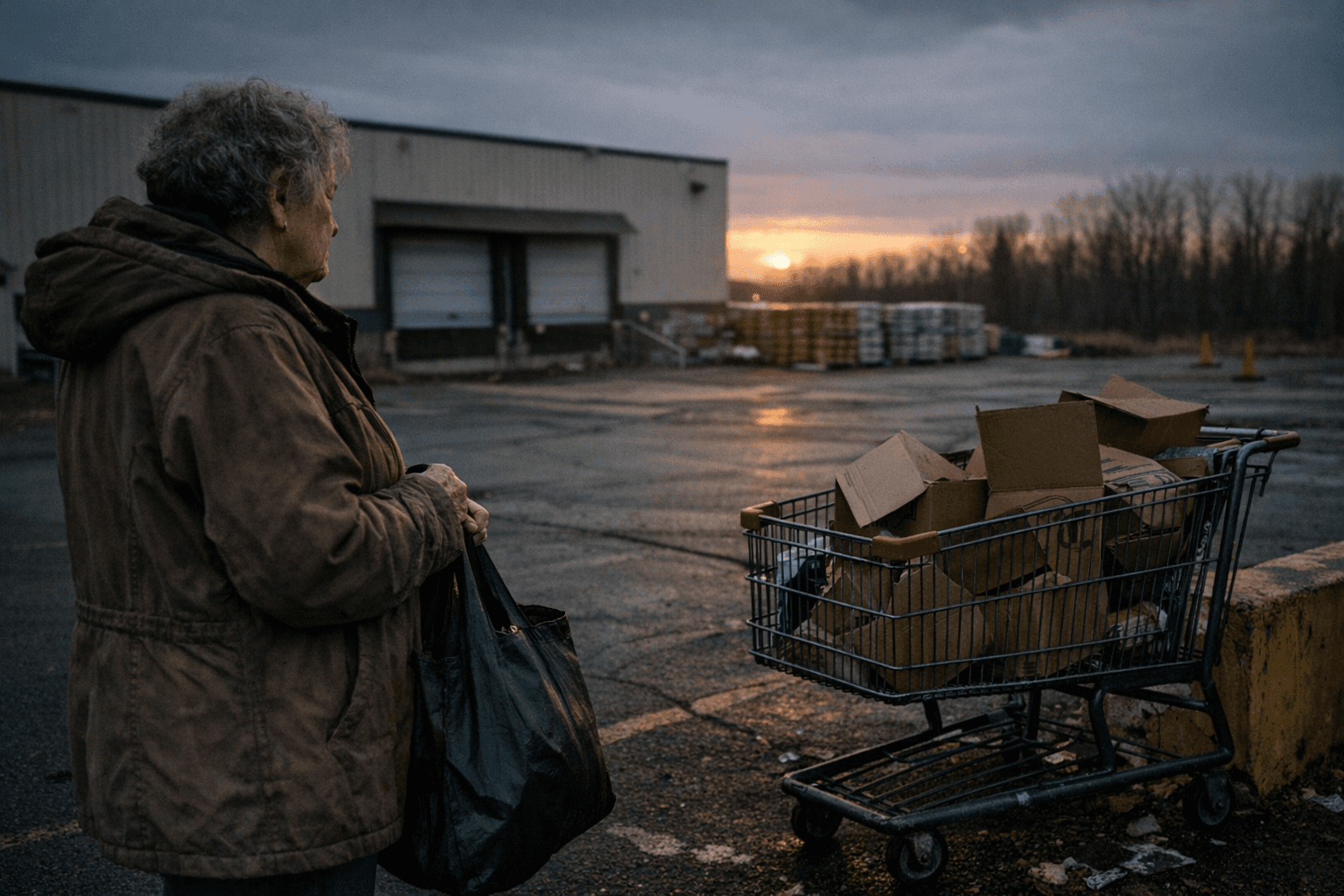
Ruby's Pantry was founded in 2003 by the late Lyn Sahr of Pine City after an unplanned food donation during a mission trip turned into a monthly distribution. Sahr built the organization into a four-state network that at peak distributed more than 21 million pounds of food per year. The model required no income verification and no residency documentation: participants brought a box and a $25 donation to a monthly pop-up, most of them hosted in churches. That low barrier made the program accessible to rural and working-class families who found traditional food shelf eligibility requirements difficult to navigate.
Families who had already prepaid for April distributions were left in limbo after the closure, with several site coordinators reporting they could not reach the organization by phone after the email went out. With no structured wind-down and dozens of host sites losing their food supply overnight, area food banks and pantries are preparing for a surge in new visitors as displaced Ruby's Pantry participants look for alternatives.
This article was produced by Prism’s automated news system from verified source data, official records, and press releases, then run through automated quality and moderation checks before publishing. The system is built and supervised by the people who set the standards it runs under. Read our full AI policy.
Did this article answer your question?