St. Louis County Jail Doula Program Faces Uncertain Future After Eight Years
A doula program serving St. Louis County Jail since 2016 may stop this year after its main grant ended, leaving pregnant incarcerated people without birth support.
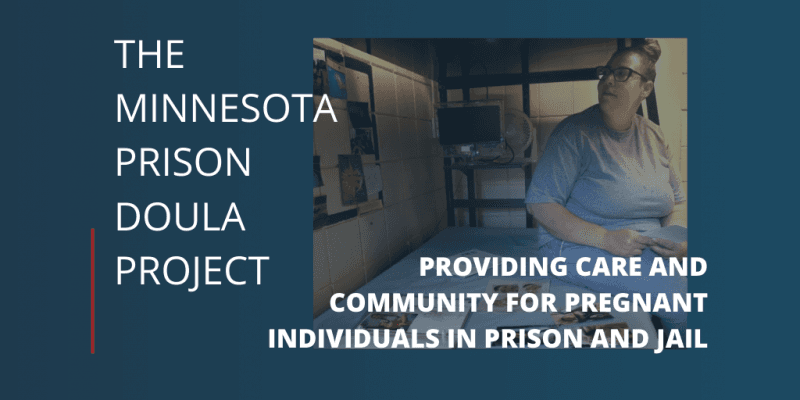
A program that has provided birth support, parenting education, and peer advocacy to pregnant and postpartum people inside the St. Louis County Jail for nearly a decade is fighting to survive after losing its primary source of funding.
The Minnesota Prison Doula Project, which has served the St. Louis County Jail since 2016, held a public forum at the Unitarian Universalist Congregation of Duluth where organizer Natalie Baker delivered an urgent warning: the main grant sustaining their work in St. Louis County ended in 2026, and programming could stop entirely before the year is out.
"We still have one grant we are working with, but we are unsure of the future and may have to pause or stop programming before the end of this year. Unfortunately, we have to stop tomorrow," Baker told the forum audience. "If you are able, financial donations are what we really need at the moment. We have to step for programming in St. Louis County because of funding."
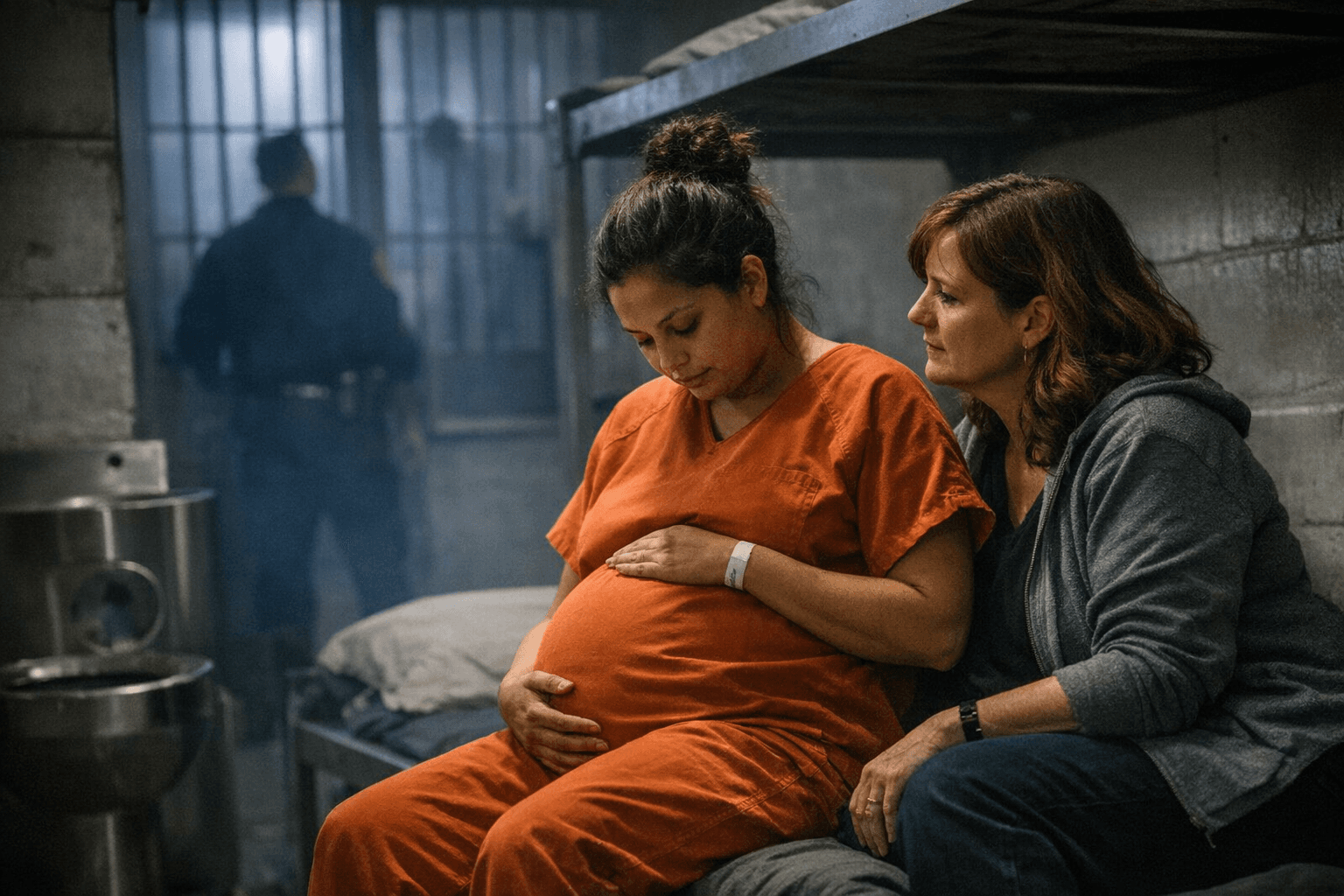
The project began at Shakopee Prison, Minnesota's only women's state prison, with the straightforward goal of preventing mothers from giving birth alone. It later helped advance anti-shackling laws in Minnesota and expanded into county correctional facilities statewide. At the St. Louis County Jail, the program offers trained doulas, group education, one-on-one counseling, and supportive visitation, aiming, in the organization's own words, to ensure no parent navigates pregnancy or reentry alone.
Baker read testimonials from participants at the forum. One wrote: "Being in jail sucks. You would never think to gain something so great from a program offered in the county. I never knew what a doula was until I was incarcerated, and boy, it is such an amazing, beautiful program to be a part of."
The program's reach extends well beyond individual support. Research by Rebecca Shlafer, an associate professor of pediatrics and adolescent health at the University of Minnesota Medical School, has documented the negative health impacts of incarceration on children and families. Her long-running partnership with the Minnesota Prison Doula Project has contributed to an increase in perinatal support programs in prisons nationally, with Minnesota serving as a model. Shlafer's work directly informed the Minnesota Model Jail framework and, most recently, a 2025 implementation report on Minnesota's Healthy Start Act. Autumn Mason serves as program director for the organization.
To bridge the funding gap, the project is running two overlapping quilt raffles. The first runs through March 17; the second, which began March 8, runs through April 8. Baker also called on the community to donate baby clothes, diapers, gas cards, and groceries, and asked supporters to help spread the word and connect the organization with potential funders.
Eight years of services at the St. Louis County Jail represent the kind of sustained community infrastructure that is difficult to rebuild once it stops.
This article was produced by Prism’s automated news system from verified source data, official records, and press releases, then run through automated quality and moderation checks before publishing. The system is built and supervised by the people who set the standards it runs under. Read our full AI policy.
Did this article answer your question?