St. Louis River cleanup marks major milestone in long restoration effort
The final Minnesota sediment cleanup on the St. Louis River is done, closing a $35 million Thomson Reservoir project that targeted toxic pollution and dredging limits.
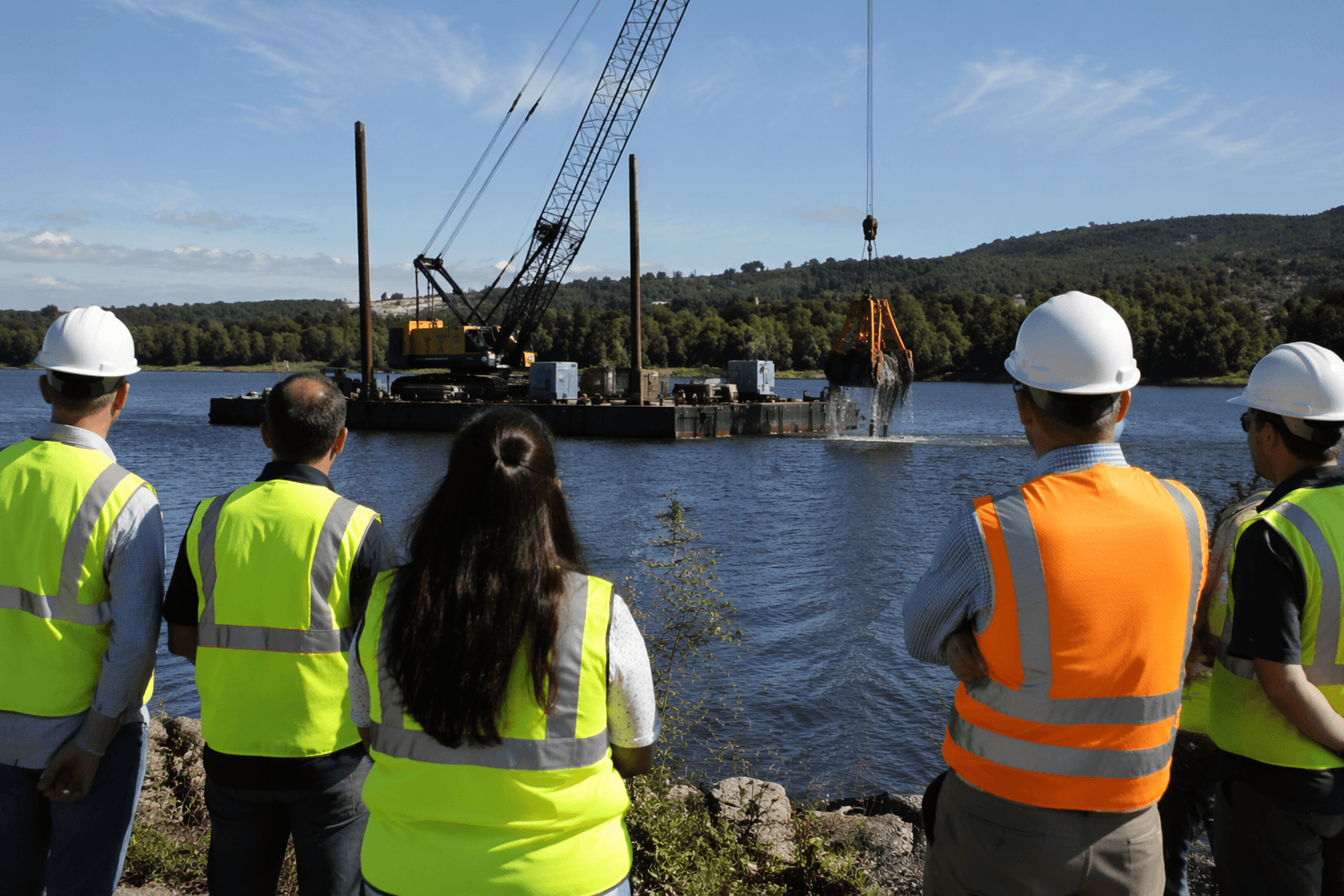
Safer water, cleaner sediment and more room for future river use are the immediate payoffs from the last Minnesota cleanup on the St. Louis River. The Thomson Reservoir project in Carlton is complete, ending the final sediment remediation site on the Minnesota side of the St. Louis River Area of Concern and clearing the way for the next phase of monitoring and habitat recovery.
U.S. Environmental Protection Agency Regional Administrator Anne Vogel, Minnesota Pollution Control Agency Deputy Commissioner Peter Tester and Minnesota Department of Natural Resources Commissioner Sarah Strommen joined partners at the reservoir to mark completion of all sediment cleanup projects on the Minnesota side of the river. The work capped a restoration effort that has moved through years of planning, multiple agencies and more than half a billion dollars in spending across eight Minnesota projects completed over the last eight years.
The Thomson Reservoir cleanup was a two-year, $35 million project backed by more than $22 million in Bipartisan Infrastructure Law funding. Crews addressed 225,000 cubic yards of contaminated sediment across 69 acres of the 330-acre reservoir, where dioxins and furans had built up from decades of industrial pollution. The project began in summer 2024 and also expanded the parking area to handle both public parking and construction staging.
The cleanup matters because the St. Louis River Area of Concern is not a symbolic designation. The lower 39 miles of the river were named an Area of Concern in 1987 because of environmental problems tied to improper municipal and industrial waste disposal, dredging and filling, and damaging logging practices. The EPA says the watershed drains 3,634 square miles and covers a 1,020-square-mile area, making it the second-largest U.S.-based Great Lakes Area of Concern and the largest tributary to Lake Superior.
Minnesota officials say more than 100 years of unregulated development and industrial practices created the pollution legacy that the cleanup is still trying to undo. The restoration effort began in 2018 with removal of 37,000 cubic yards of contaminated sediment from Minnesota Slip in Duluth. Since then, the work has aimed to reduce beneficial-use impairments, including Restrictions on Dredging Activities and Degradation of Benthos, and move the river closer to delisting.
The job is not finished. Ongoing water-quality monitoring and fish habitat restoration remain part of the plan, even as access and recreation continue to improve. The river was designated a National Water Trail in 2020, and sections of the Waabizheshikana, or Marten, Trail along the shoreline have opened, with the full route planned to eventually double in length. For Duluth, Superior and the surrounding communities, the cleanup has become both an environmental repair and a long-term investment in the river corridor, the port and the Lake Superior watershed.
This article was produced by Prism’s automated news system from verified source data, official records, and press releases, then run through automated quality and moderation checks before publishing. The system is built and supervised by the people who set the standards it runs under. Read our full AI policy.
Did this article answer your question?