State budget deal could ease school tax pressure in Northland counties
Cabin-rich districts could shave referendum levies by up to half, easing pressure on year-round homeowners in places like Cook County.
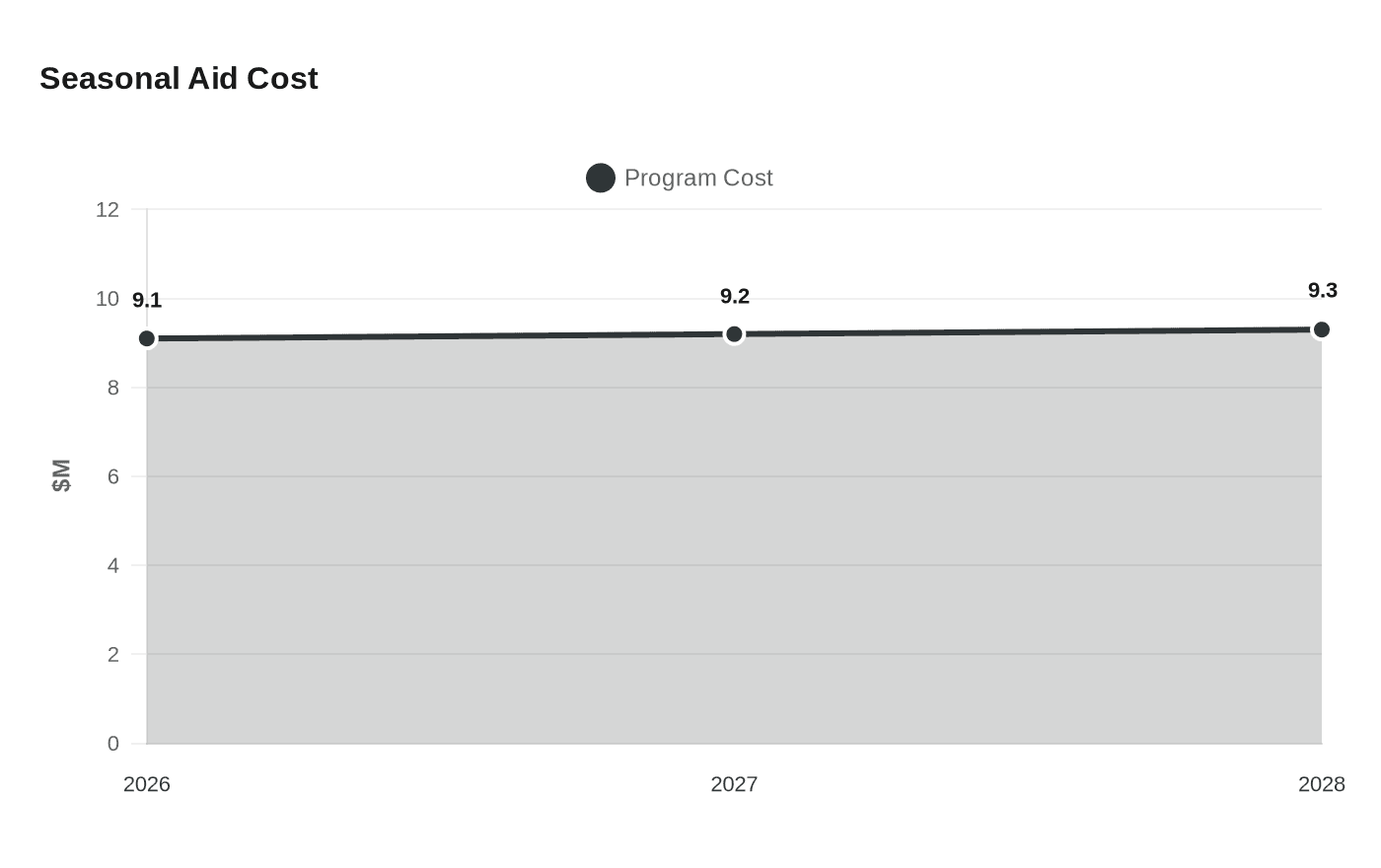
Cabin-heavy school districts in the Northland could soon get a break on the operating referenda that have pushed more of the school bill onto year-round homeowners. The state budget deal reached Thursday included a seasonal tax base replacement aid program aimed at districts where cabins, seasonal homes and other recreational properties make up a large share of the tax base.
The proposal would not give districts new spending authority. Instead, it would reduce voter-approved operating referendum levies by up to 50% in eligible districts, shifting more of the cost to the state while keeping total referendum revenue capped at what local voters approved. In districts where permanent residents already carry most of the levy, that could mean a lower property tax bill for homesteads and a little more room for school boards to hold together staffing, classroom programs and activities.
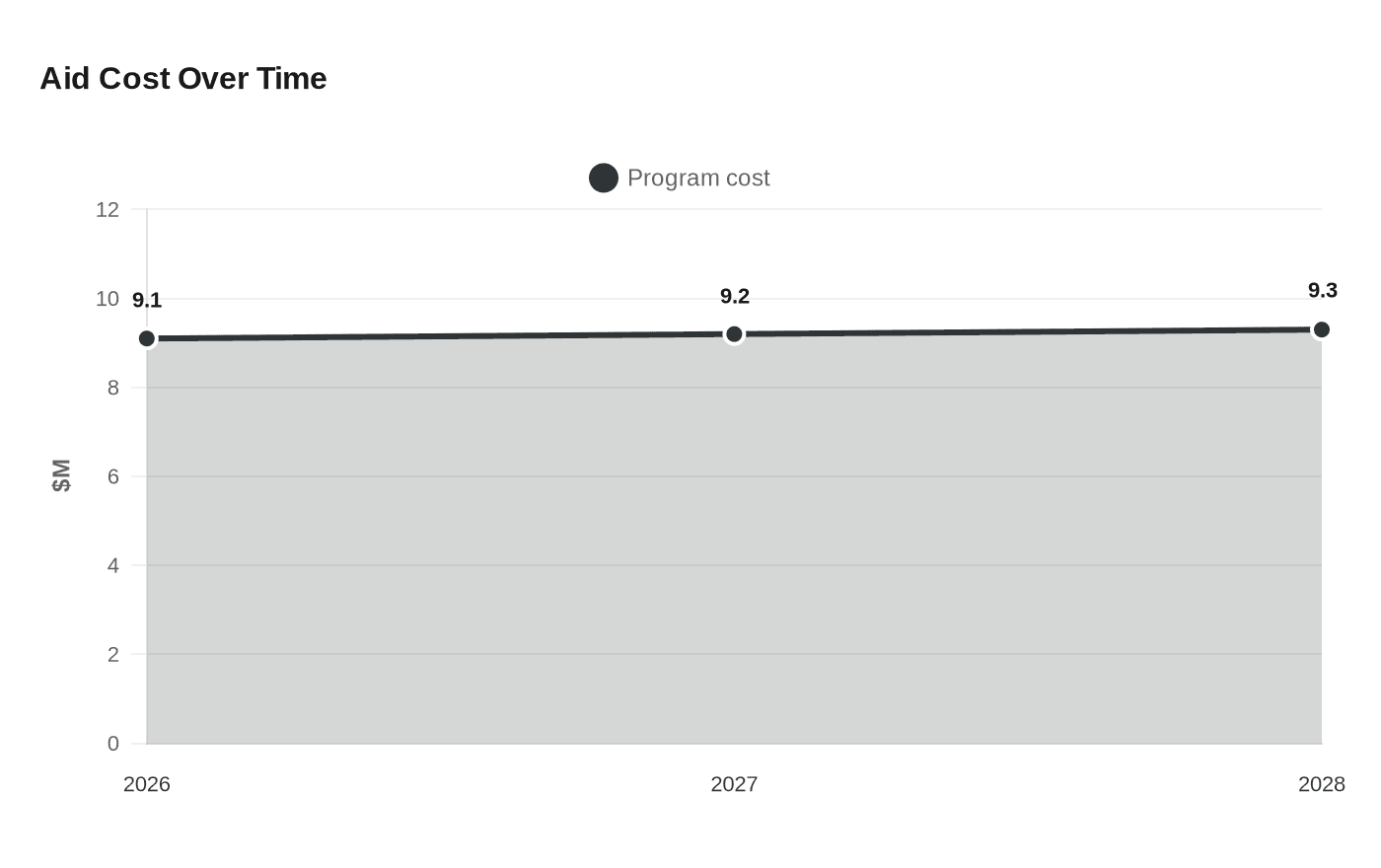
Minnesota Department of Revenue estimates put the program at about $9.1 million in taxes payable 2026, rising to $9.2 million in 2027 and $9.3 million in 2028. The aid was set to begin with taxes payable in 2026. A later amendment discussed by Sen. Grant Hauschild would have required at least 15% cabin property for eligibility and lowered the annual cost to about $3.8 million.
Cook County School District offers the clearest local example. KAXE reported that its $800-per-pupil referendum raises about $393,000 a year and could see the local levy cut by 40% under the plan, with the state covering about $157,000 and local taxpayers paying the remaining $236,000. For a district built around lake country and seasonal homes, that kind of shift could make the difference between a referendum that passes and one that falls short.
That concern is not limited to Cook County. House Session Daily reported in 2024 that 92 mostly rural Minnesota districts had been unable to pass an operating tax levy and were being forced to cut services, programs, teachers and sports. Mesabi East Superintendent Jeff Burgess told lawmakers his district’s tax base is squeezed in another way, with about 30% of its land owned by the state or federal government, making referenda more expensive for local taxpayers.
Supporters, including Rep. Spencer Igo and Sen. Grant Hauschild, have framed the aid as a correction to a tax structure that has left cabin-rich districts at a disadvantage. The budget agreement also included $125 million in property tax relief for homeowners, but the seasonal recreation aid is the part most likely to matter in Northland districts where school finance and lake-season property ownership collide.
This article was produced by Prism’s automated news system from verified source data, official records, and press releases, then run through automated quality and moderation checks before publishing. The system is built and supervised by the people who set the standards it runs under. Read our full AI policy.
Did this article answer your question?