Steelworkers Union Outlines Key Priorities Ahead of 2026 Contract Talks
Six taconite plants, thousands of Iron Range jobs and a single Sept. 1 deadline: USW launched 2026 contract talks last week with wages and health care at the top of its list.
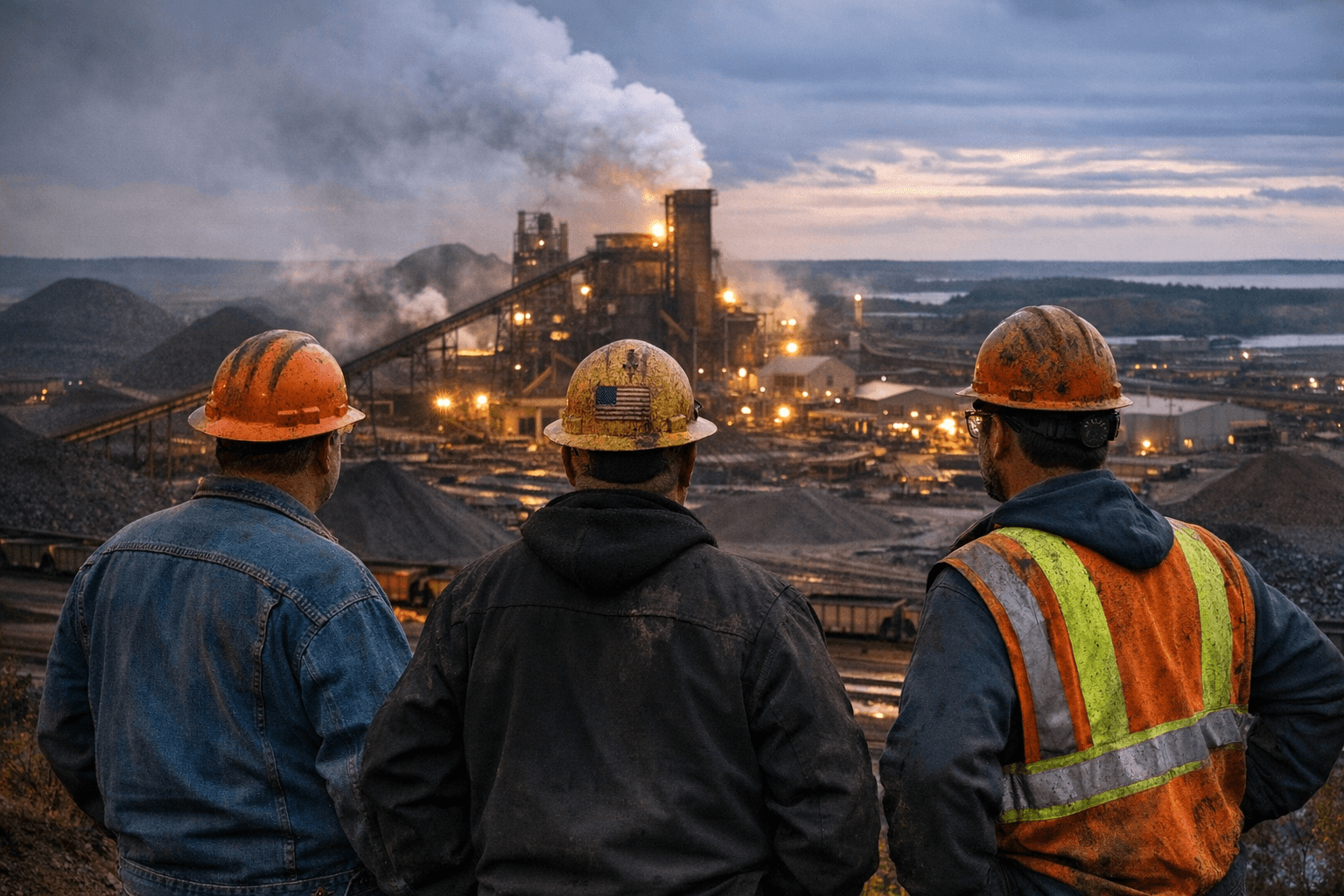
Six taconite plants across northeastern Minnesota are all operating under labor contracts set to expire on the same date, a convergence of bargaining power the Iron Range has not seen in years. The United Steelworkers union formalized its opening position last week at a one-day Basic Steel Industry Conference in Pittsburgh, directing local officials and bargaining teams toward September 1, 2026, when those contracts expire simultaneously.
The stakes are quantifiable. U.S. Steel's Minntac operation in Mountain Iron and its Keetac facility in Keewatin together employ nearly 1,936 workers. Cleveland-Cliffs' United Taconite and Hibbing Taconite, a joint venture majority-owned by Cliffs, add hundreds more to the regional payroll, as does Northshore Mining. These are not just jobs; they are the largest private-sector wages supporting mortgage payments, grocery spending, and school tax bases from Virginia to Hibbing to Mountain Iron.
The union's stated priorities from the Pittsburgh conference were fair wage improvements, safe workplaces, affordable health care, secure retirements, and trade policy reforms targeting foreign steel overcapacity. The union's framing also criticized past patterns of underinvestment in North American facilities, a signal that wage levels alone may not close the gap at the table.
The 2022 contract cycle offers the sharpest comparison available. USW and U.S. Steel ratified a four-year agreement that December covering roughly 11,000 workers nationally, improving wages by more than 21% over the contract's term. Cleveland-Cliffs' concurrent deal with its Minnesota and Michigan iron ore workers included a 20% base wage increase over four years and a $4 billion facility investment commitment. Both agreements expire September 1, 2026, meaning this round of bargaining reopens everything at once.
That simultaneity raises the cost of a failed negotiation. A strike or lockout at even one major taconite operation would tighten the supply of iron ore pellets moving to domestic blast furnaces, pushing steel prices higher for buyers across construction, auto manufacturing, and appliance production. Those pressures eventually show up in housing project timelines, new vehicle prices, and the cost of consumer goods at retailers throughout the county.
The backdrop is more complicated than 2022. Cleveland-Cliffs indefinitely idled its Minorca Mine in Virginia, leaving more than 300 workers without positions. Hibbing Taconite cut 45 jobs in February amid operational restructuring and is running only one pellet production line. Against that, Mesabi Metallics is preparing to open a $2.4 billion DR-grade pellet facility near Nashwauk in the second quarter of 2026, the largest new steelmaking-input investment on the Iron Range in decades.
Through spring and summer, bargaining teams on both sides will exchange formal proposals, and local union chapters will brief members ahead of any ratification or strike authorization vote required under labor law. How quickly employers respond to the union's broader demands around investment and trade policy will determine whether September 1 arrives with a tentative agreement in hand or with authorization votes already counted.
This article was produced by Prism’s automated news system from verified source data, official records, and press releases, then run through automated quality and moderation checks before publishing. The system is built and supervised by the people who set the standards it runs under. Read our full AI policy.
Did this article answer your question?