UMD, Fond du Lac College win $3.4 million NIH research grant
UMD and Fond du Lac Tribal and Community College will use $3.4 million in NIH money to expand student training, faculty support and biomedical research across northern Minnesota.

The $3.4 million from the National Institutes of Health will pay for student research training, faculty professional development, sponsored-project support and pilot grants at the University of Minnesota Duluth and Fond du Lac Tribal and Community College, with programming set to begin in fall 2026.
The five-year award is aimed at building biomedical research capacity in northern Minnesota, not just funding a single project. Fond du Lac Tribal and Community College said the partnership will connect the two campuses’ resources and expertise so faculty can collaborate across disciplines while students get more hands-on research experience in interdisciplinary biomedical work.
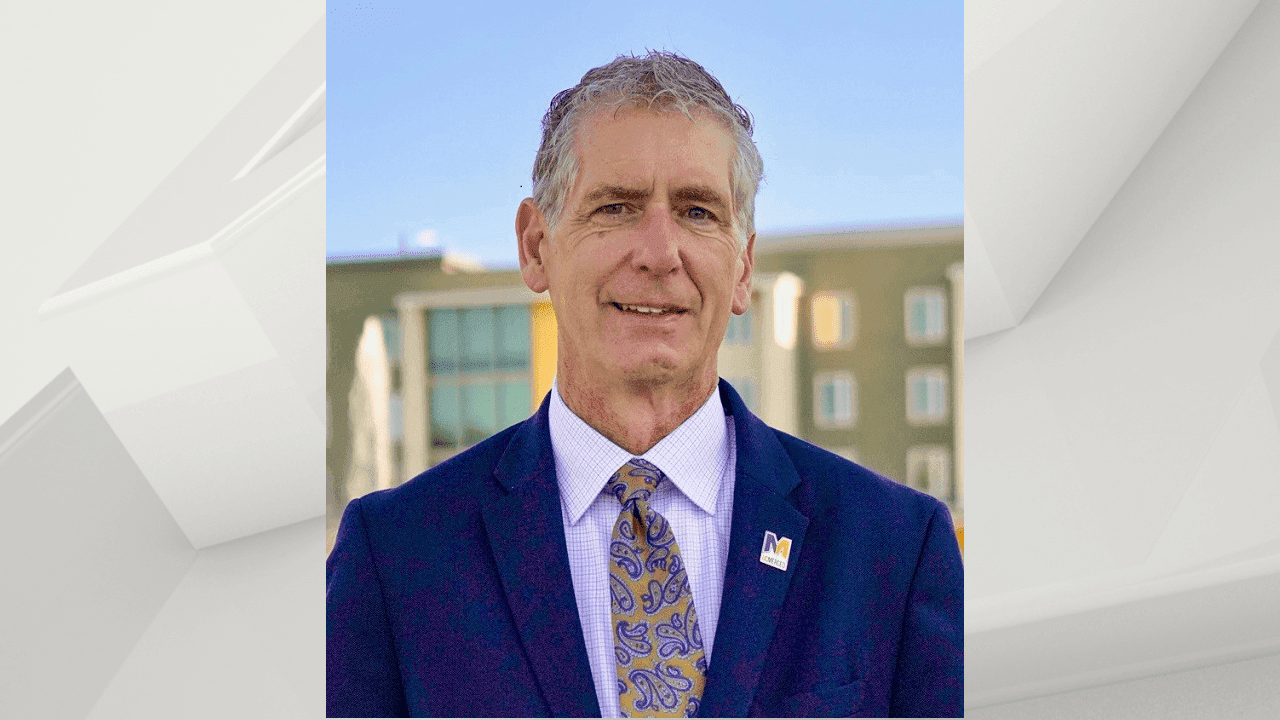
For St. Louis County, the payoff is likely to show up in Duluth first, where UMD already serves as a major research hub, but the reach extends to Cloquet and the broader region. UMD Chancellor Charles Nies said the work advances biomedical research in ways that address critical health needs and help build the health-care research workforce. The grant is also expected to create more opportunities for undergraduate and graduate students who want to stay close to home while moving into science and health careers.
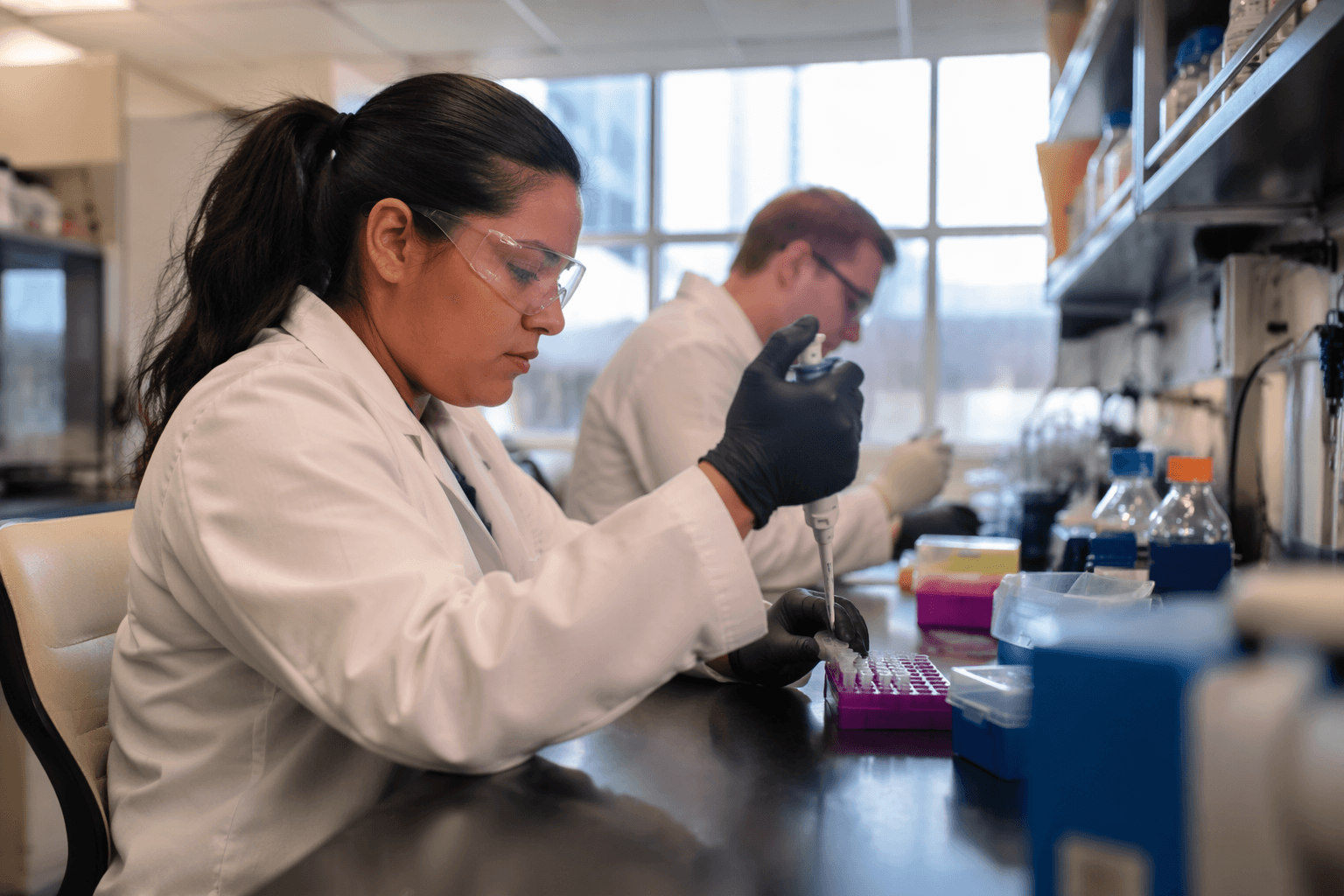
The schools are not starting from zero. UMD’s Medical School, Duluth Campus launched the Bridges to the Baccalaureate Program in 1994 with NIH support, and the university describes it as the only program of its kind in the Upper Midwest. That long-running effort has already linked community college students with biomedical-science mentors, and Fond du Lac Tribal and Community College is one of the partner schools in that pipeline.
The new grant builds on that foundation and on a broader tribal research infrastructure in the region. NIH RePORTER identifies the Fond du Lac Band of Lake Superior Chippewa Regional Research Institute as a tribal-led effort focused on reducing health disparities and training American Indian and Alaska Native students pursuing health and health-disparities research. That makes the UMD-FDLTCC award part of a larger push to grow research capacity that reflects the health needs of Indigenous communities as well as the rest of northern Minnesota.

The partnership also comes as University of Minnesota relations with the Fond du Lac Band continue to evolve. The university has been working since 2023 on the Cloquet Forestry Center land-return process, and Minnesota legislation in May 2026 cleared the way for return of about 3,400 acres to the Band. Together, those moves and the new NIH award point to a longer regional research pipeline, one that could deepen lab work, student pathways and health-related collaboration well beyond a single grant cycle.
This article was produced by Prism’s automated news system from verified source data, official records, and press releases, then run through automated quality and moderation checks before publishing. The system is built and supervised by the people who set the standards it runs under. Read our full AI policy.
Did this article answer your question?