UMD professor's fabric shredder could help curb clothing waste
A UMD professor’s 90-second fabric shredder could give St. Louis County a new way to handle clothing waste and build a local textile reuse pipeline.

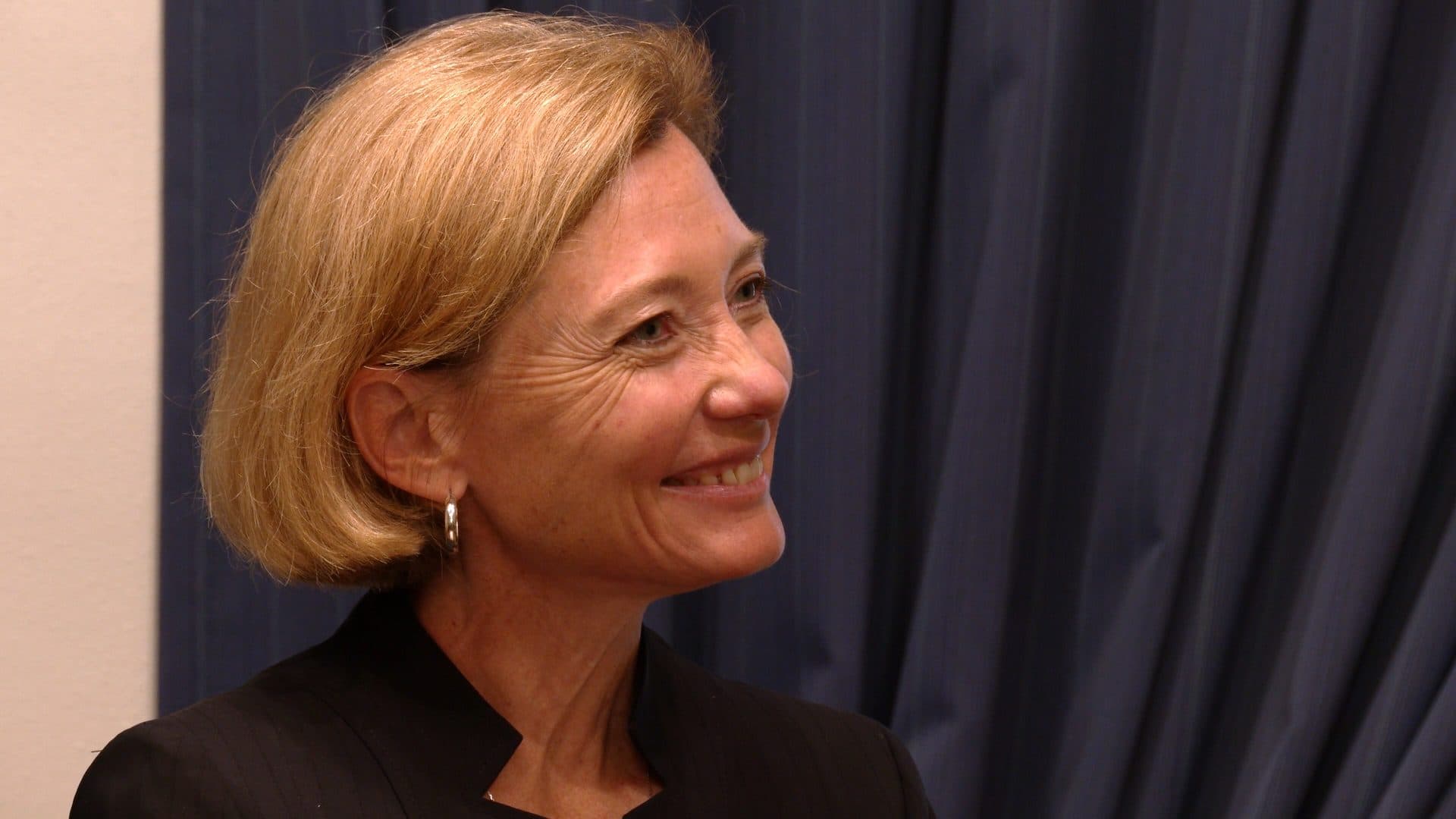
A University of Minnesota Duluth engineering professor has built a machine that could turn a growing waste problem into a local business opportunity for St. Louis County. Abbie Clarke-Sather’s patent-pending Fiber Shredder breaks down used fabric into reusable fibers in about 90 seconds, a process UMD says could help thrift stores, municipalities and clothing brands keep textiles out of landfills and move them back into production.
The prototype is compact enough to resemble office equipment, but its mechanics are aimed at a much larger problem. Instead of cutting fabric into scraps, the machine uses two drums that rotate in opposite directions and pull material apart with teeth. UMD says the resulting fibers are long enough to be spun back into yarn and used again. The project has been developing for about six years, while MPR News reported that Clarke-Sather has been refining it with students for roughly a decade.
The scale of the problem is hard to miss. UMD says 92 million tons of textiles are discarded globally each year, including 17 million tons from the United States. The University of Minnesota Research & Innovation Office says only 15% of textile waste is recycled, while 14.5 million tons are incinerated or landfilled in the U.S. annually. Clothing tossed into landfills can also add to methane emissions and release PFAS and microplastics as it breaks down.

Clarke-Sather’s work grew out of conversations with Goodwill about what to do with unsold apparel. When she moved to Duluth in 2017, she connected with True North Goodwill, which supplied a bale of discarded clothing that Clarke-Sather and her students sorted to study what the material was made of. That research has since fed into a larger question for the region: whether Northern Minnesota can support a practical textile recovery system instead of treating unwanted clothes as a disposal problem.
For Duluth and St. Louis County, the potential is not just environmental. A shredder small enough for local reuse sites could give Goodwill stores, thrift operators and municipal waste programs a tool for handling the fabric that cannot be resold. Clarke-Sather has said she wants the machine scaled for Goodwill stores, thrift stores, municipalities and sustainability-minded clothing brands, raising the possibility of a regional reuse and manufacturing pipeline built around materials that now leave the area as trash.
This article was produced by Prism’s automated news system from verified source data, official records, and press releases, then run through automated quality and moderation checks before publishing. The system is built and supervised by the people who set the standards it runs under. Read our full AI policy.
Did this article answer your question?