Visit Duluth seeks five-year master plan for destination strategy
Visit Duluth wants a five-year plan that ties visitor growth to tax revenue, infrastructure, housing pressure and measurable community benefits, not just hotel occupancy.
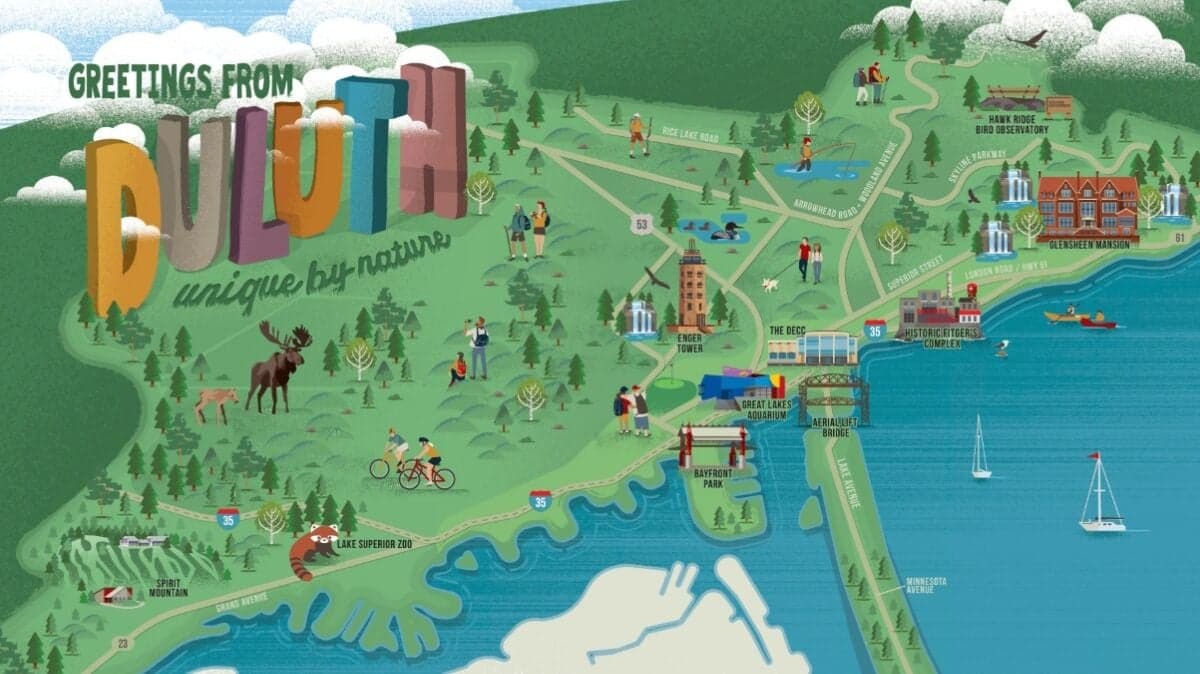
Visit Duluth is moving past a narrow push for hotel nights and event crowds and asking what Duluth should become as a destination over the next five years. Its new destination master plan request makes that shift explicit: the plan must guide tourism growth, investment, community alignment and visitor experience with measurable goals, timelines and resource needs.
The request for qualifications says the selected consultant will work with Visit Duluth, the City of Duluth, tourism partners, business leaders and community stakeholders. It also says the roadmap should balance visitor demand, community priorities, economic impact and sustainable development, with guidance on tourism-tax investment, DEAI, accessibility, sustainability principles and key performance indicators. The document describes Duluth as a year-round destination anchored by Lake Superior, a connected waterfront, Canal Park, cultural attractions and outdoor recreation.
Executive director Haley Hedstrom has said Visit Duluth is still working to fill restaurants, hotel rooms and seats, but the organization is now adding a longer-range layer on top of that basic occupancy work. That added layer matters because the city is no longer treating tourism as only a marketing exercise. It is being framed as a policy question about how Duluth uses visitor dollars, where it invests, and how growth fits with resident quality of life.
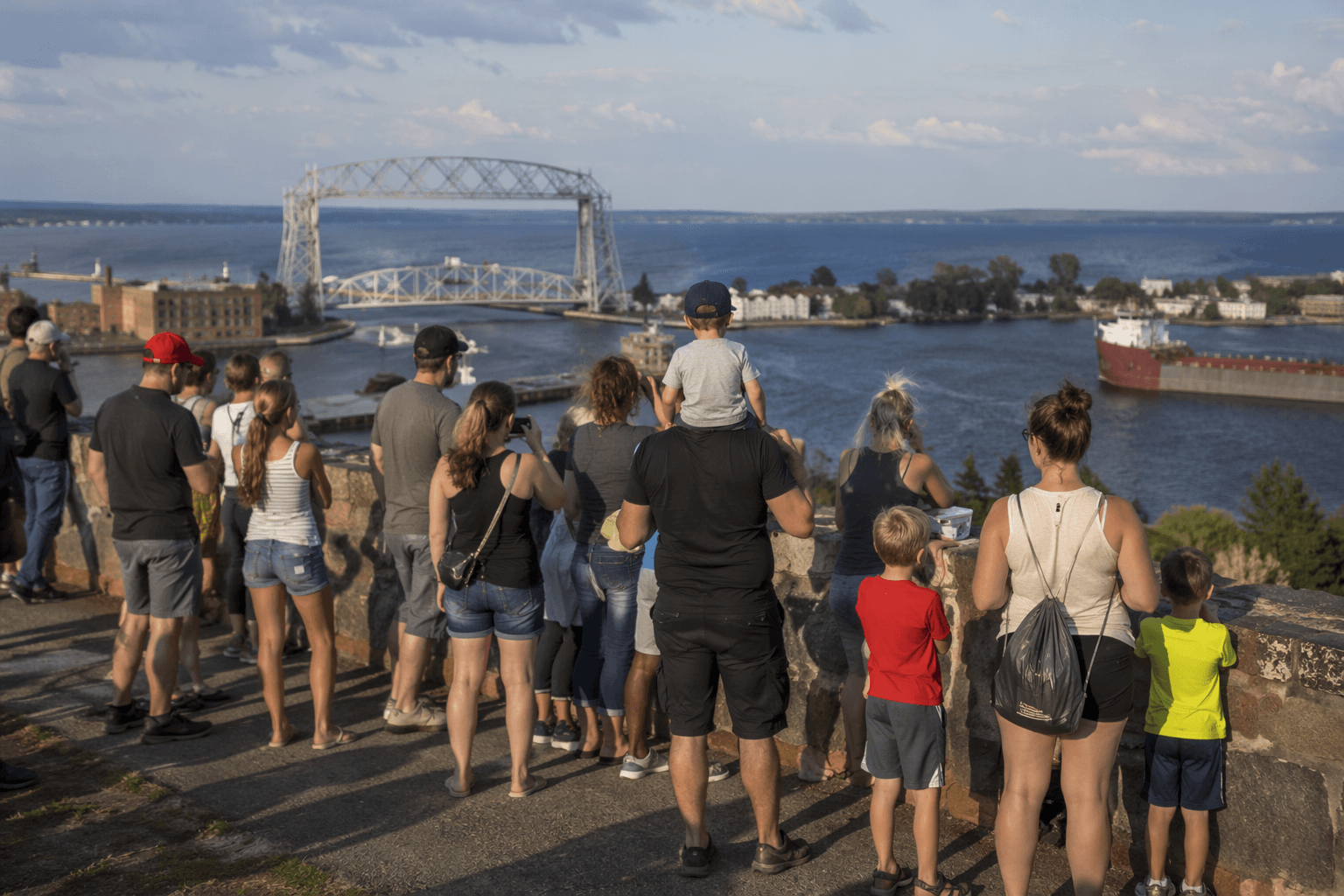
The stakes are large. The Duluth Area Chamber of Commerce says the city sees 6.7 million visitors annually and tourism creates well over $780 million in annual direct economic impact. Visit Duluth’s own tax pages say lodging establishments and food-and-beverage businesses with at least $100,000 in annual sales must collect and file tourism taxes with the city, tying the visitor economy directly to local revenue.
That tax stream is already being used for broader public purposes. A 2023 Duluth City Council resolution extended a one-half-of-one-percent increment in the food-and-beverage tax and lodging tax, effective January 1, 2025, to help fund up to $36 million in parks-based public athletic facility improvements in support of sports tourism and quality of life in northeast Minnesota. City finance documents also showed hotel-motel and food-and-beverage tax collections running above budget in early spring 2025, a sign that visitation and event activity remained a strong source of money for local government.
The push for a new master plan follows another governance change. In August 2024, the Tourism Marketing Working Group, chaired by Sheraton Duluth Hotel general manager Karen Pionk, recommended a transition request for proposals for marketing services, a longer-term destination marketing model and a 10-year operating agreement between the city and the destination marketing organization. Visit Duluth says it renewed its five-year agreement with the City of Duluth in 2025 and has since restructured and expanded sales and marketing efforts.
Minnesota’s tourism industry set a record in 2024, with 81.6 million visitors spending $14.7 billion and generating a $24.7 billion total economic impact. In that context, Duluth’s new plan will be judged by more than slogans. Residents and officials will be looking for whether it improves downtown business health, supports infrastructure, eases pressure on neighborhoods and delivers a return that can be measured, not just advertised.
This article was produced by Prism’s automated news system from verified source data, official records, and press releases, then run through automated quality and moderation checks before publishing. The system is built and supervised by the people who set the standards it runs under. Read our full AI policy.
Did this article answer your question?