Wildfires slow Northland tourism as businesses stay open amid smoke
The Boundary Waters closure is emptying late-July bookings in Cook County and Ely even as outfitters, lodges and shops keep their doors open.
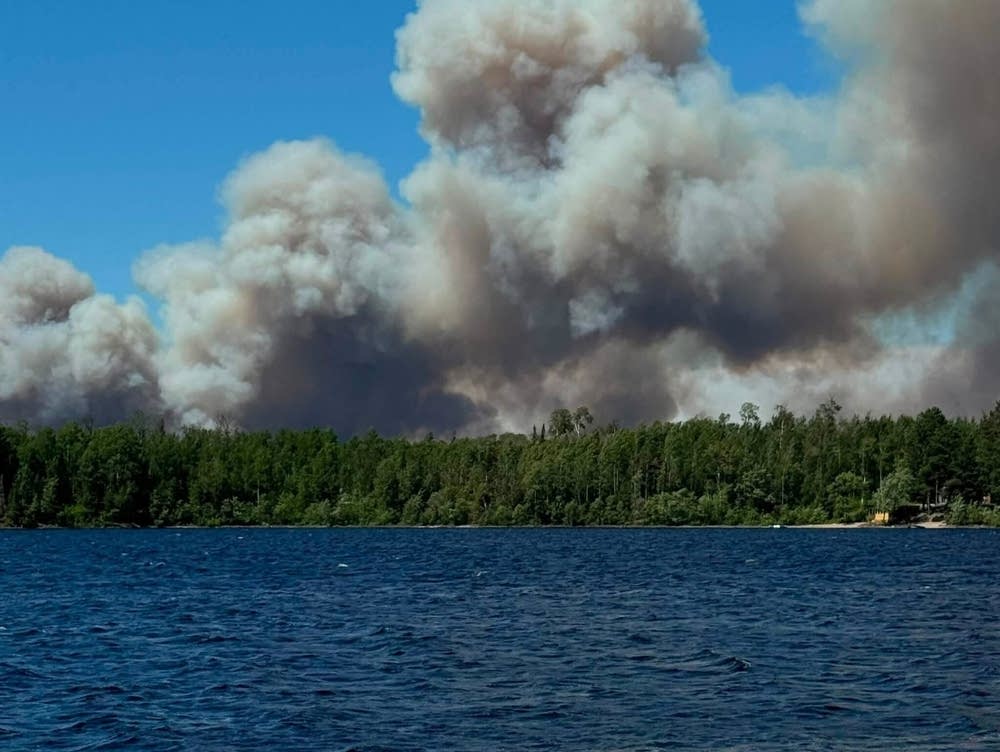
The Boundary Waters Canoe Area Wilderness closure is cutting into peak summer business in northeastern Minnesota even as lodges, outfitters and shops in Ely and Cook County keep their doors open. Kjersti Vick, marketing and PR director for Visit Cook County, said the last two weeks of July are usually the county’s busiest stretch, but this year it has been quiet as wildfire worries keep visitors away.
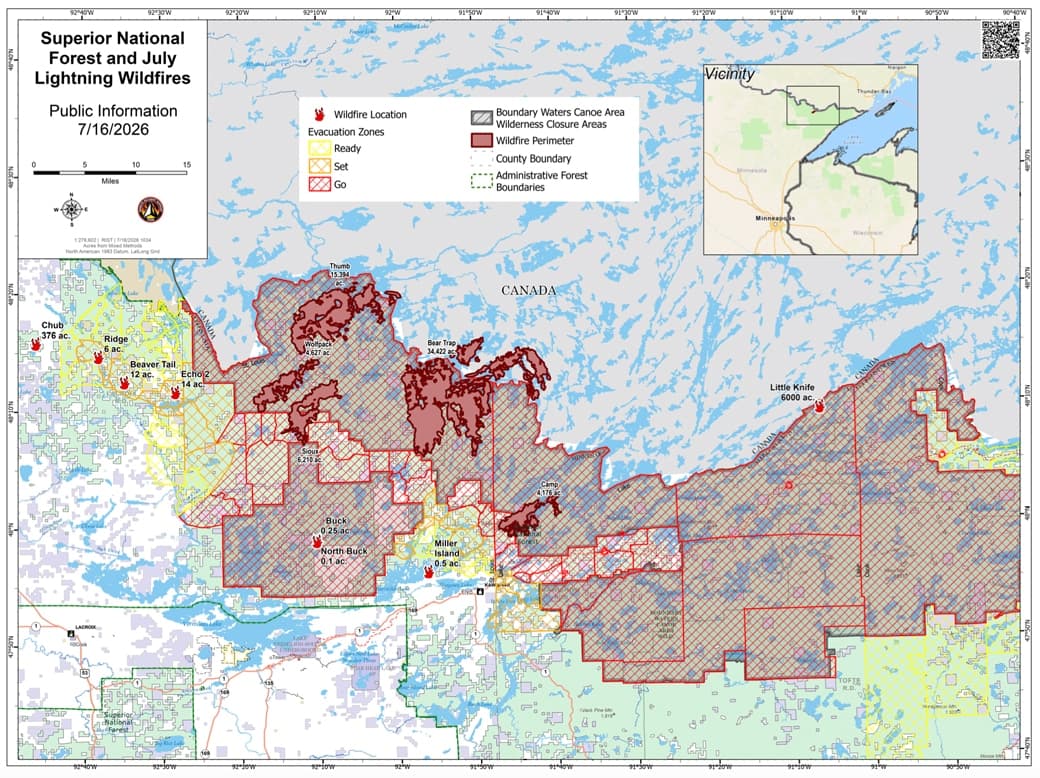
The slowdown is hitting a region where tourism drives much of the summer economy. Wildfires have closed the Boundary Waters Canoe Area Wilderness, which has led to cancellations and fewer travelers for fishing trips, canoe rentals, lodging and restaurants tied to wilderness traffic. WDIO’s business coverage shows local owners trying to keep serving customers while absorbing the drop in visits, a difficult balance for communities that depend on a short seasonal rush.
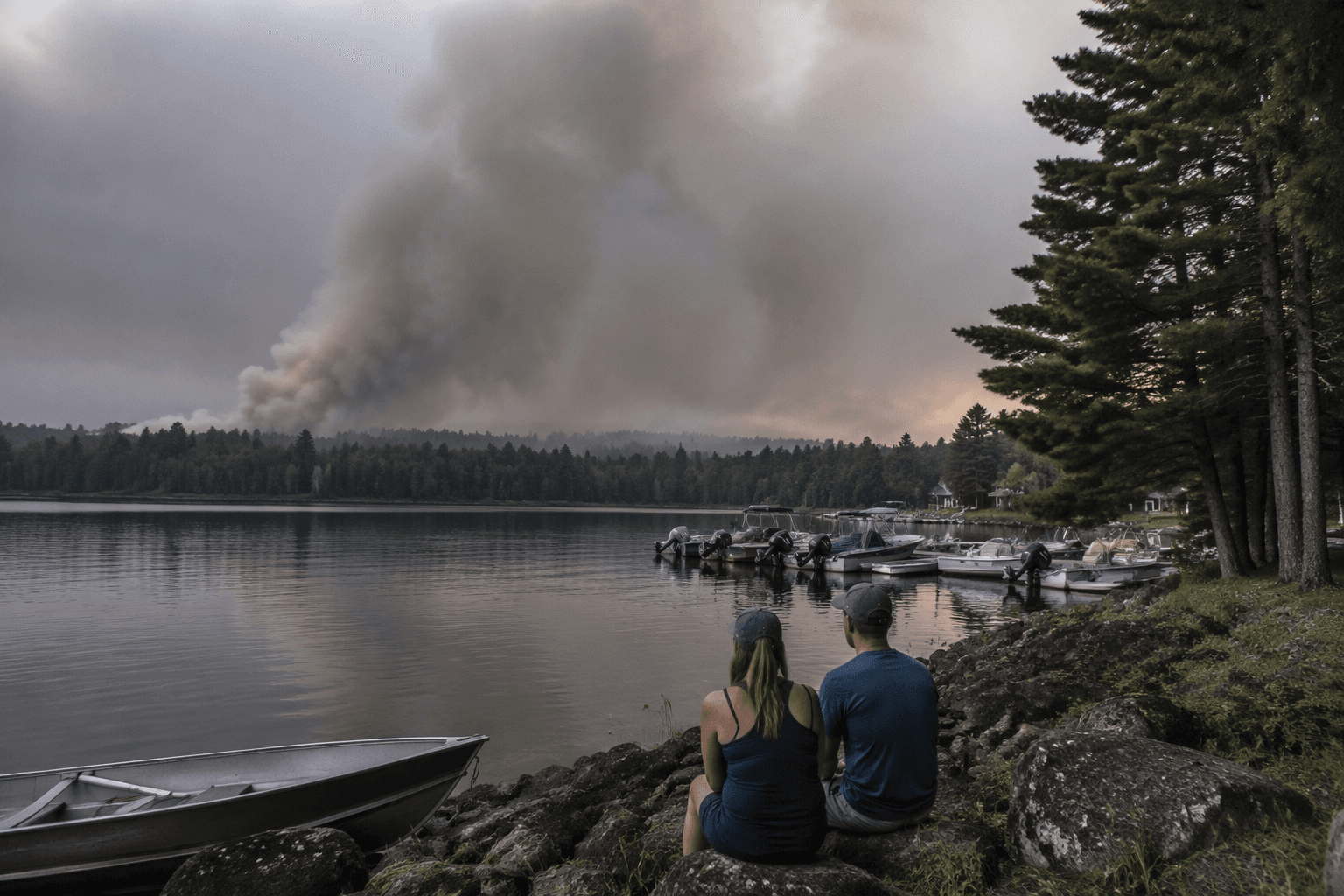
The strain is especially visible in the Gunflint Trail corridor and around Ely. At a Friends of the Boundary Waters meeting, the owner of Gunflint Lodge and the owner of Sawbill Canoe Outfitters said they were dealing with many cancellations after the closure. Northern News Now reported on July 19, 2026 that Ely outfitters who had helped evacuate campers from the Boundary Waters were facing a tourism season that had come “to a near halt.” Bob LaTourell of LaTourell’s Moose Lake Outfitters was among the operators who responded to the wilderness to help rescue campers.
The economic fallout has reached city government as well. On July 14, 2026, St. Louis County declared a state of local emergency and a state of local disaster amid the wildfires, and MPR News reported that the Ely City Council was preparing to announce economic and emergency plans in response to the fires on July 16. Another local report said the Boundary Waters closure was only the third time in 50 years, underscoring how unusual the disruption is for businesses built around summer travel.
For St. Louis County and nearby communities, the wildfire emergency is no longer just a fire line problem. It is now a business problem, with effects on bookings, staffing and summer revenue for outfitters, hotels and other employers that rely on a narrow window of peak demand.
This article was produced by Prism’s automated news system from verified source data, official records, and press releases, then run through automated quality and moderation checks before publishing. The system is built and supervised by the people who set the standards it runs under. Read our full AI policy.
Did this article answer your question?