William A. Irvin exhibit explores Great Lakes shipwreck safety reforms
A new William A. Irvin exhibit shows how Great Lakes shipwrecks forced safety changes that still shape Duluth’s harbor identity.
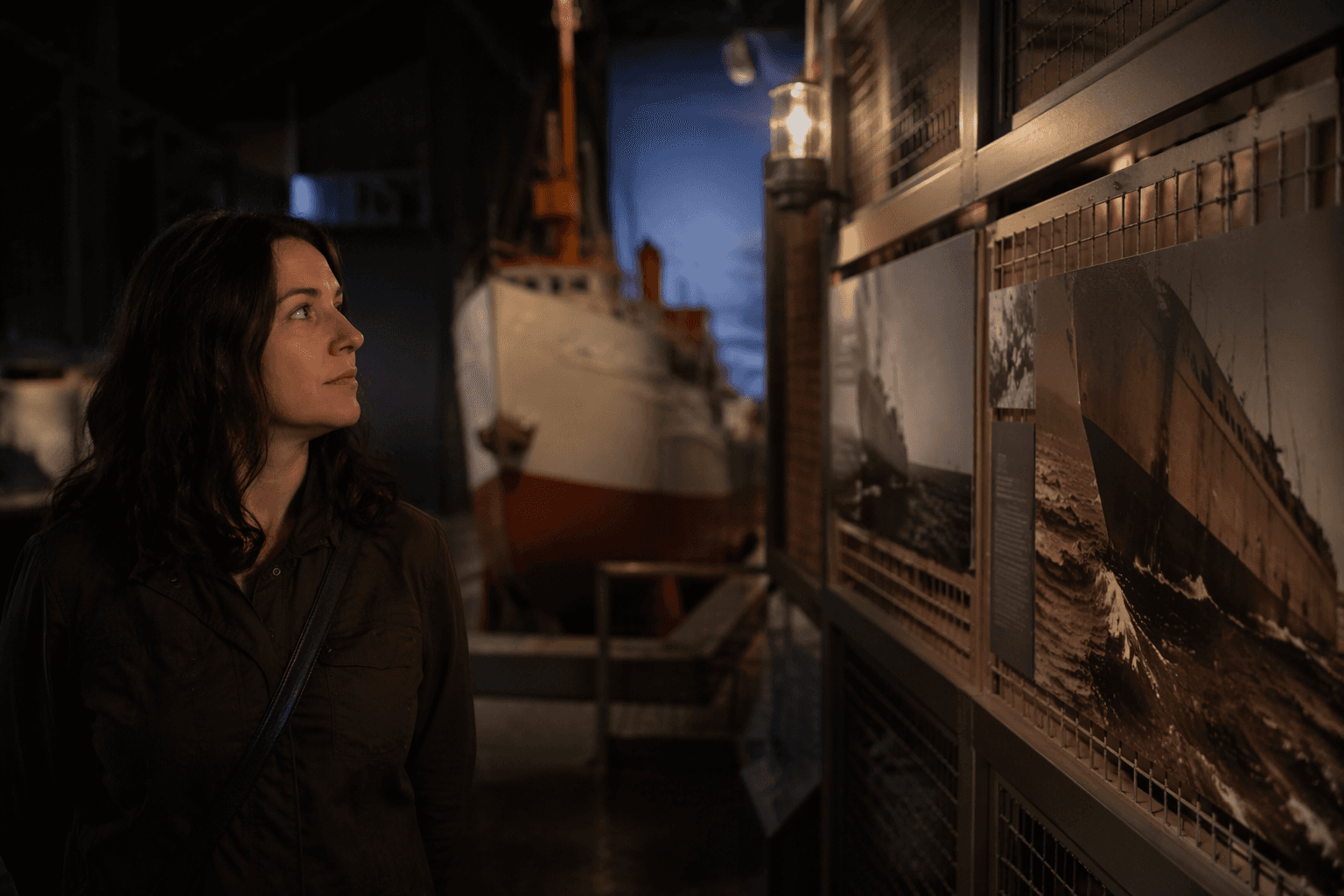
The 15-panel display aboard Duluth’s William A. Irvin uses shipwreck history to show how the Great Lakes got safer. It focuses on the wrecks, the rescues and the rules that followed, all inside a museum ship that still anchors Canal Park.
What the exhibit is trying to do
The display is built around more than old photographs or a list of famous losses. Its panels connect shipwreck disasters to the changes that came later in maritime rules, technology and safety practice. It debuted June 27 aboard the ship at 350 Harbor Drive and is included with admission.
That approach fits the Great Lakes, where cargo movement has always depended on hard weather, cold water and split-second decisions. The exhibit uses shipwrecks to show how the lakes became both an economic highway and a danger zone, especially for freighters and crews moving through rough seas and sudden storms.
The wrecks that shaped the lessons
Several of the panels move through losses from across the early 20th century, including the 1902 collision of the Thomas Wilson near Duluth and the 1958 storm that claimed the SS Carl D. Bradley and most of her crew.
One of the most searing stories in the exhibit centers on the SS Daniel J. Morrell, the third-largest shipwreck in Lake Superior. The exhibit highlights the lone survivor’s ordeal, including 40 hours adrift in November and a peacoat grabbed in the dark.

Lucie Amundsen, communications manager for the Duluth Entertainment Convention Center, said guests on the Irvin often ask guides about shipwrecks, especially the Edmund Fitzgerald. “Now we have a resource here on the ship that answers those questions and shows just how much these losses changed the maritime industry,” she said.
Why Duluth is the right place for it
The William A. Irvin is more than a backdrop for the exhibit. It is one of Duluth’s signature tourist and history attractions, and placing shipwreck history aboard a real ore boat gives the public a direct link to the working harbor that shaped the city. In Duluth, where the lift bridge, ore boats and shipping lanes still define the skyline, the setting links the exhibit to that harbor.
Canal Park draws visitors for the lakefront, and the Irvin keeps Duluth’s industrial story in view in a harbor built around cargo, crews and the risks that came with moving freight on the Great Lakes.
What to know before you go
The exhibit is inside the William A. Irvin at 350 Harbor Drive in Canal Park, and entry is bundled with the ship’s admission rather than sold separately.
This article was produced by Prism’s automated news system from verified source data, official records, and press releases, then run through automated quality and moderation checks before publishing. The system is built and supervised by the people who set the standards it runs under. Read our full AI policy.
Did this article answer your question?