Army Beats UConn, 41 to 16, at Fenway Bowl, Raises Local Concerns
Army West Point routed UConn 41 to 16 in the Wasabi Fenway Bowl at Fenway Park on December 27, a commanding win driven by a dominant rushing attack and strong time of possession. The gathering of more than 22,000 fans underscored both the economic boost and the public health and workforce concerns that large winter events bring to Suffolk County.
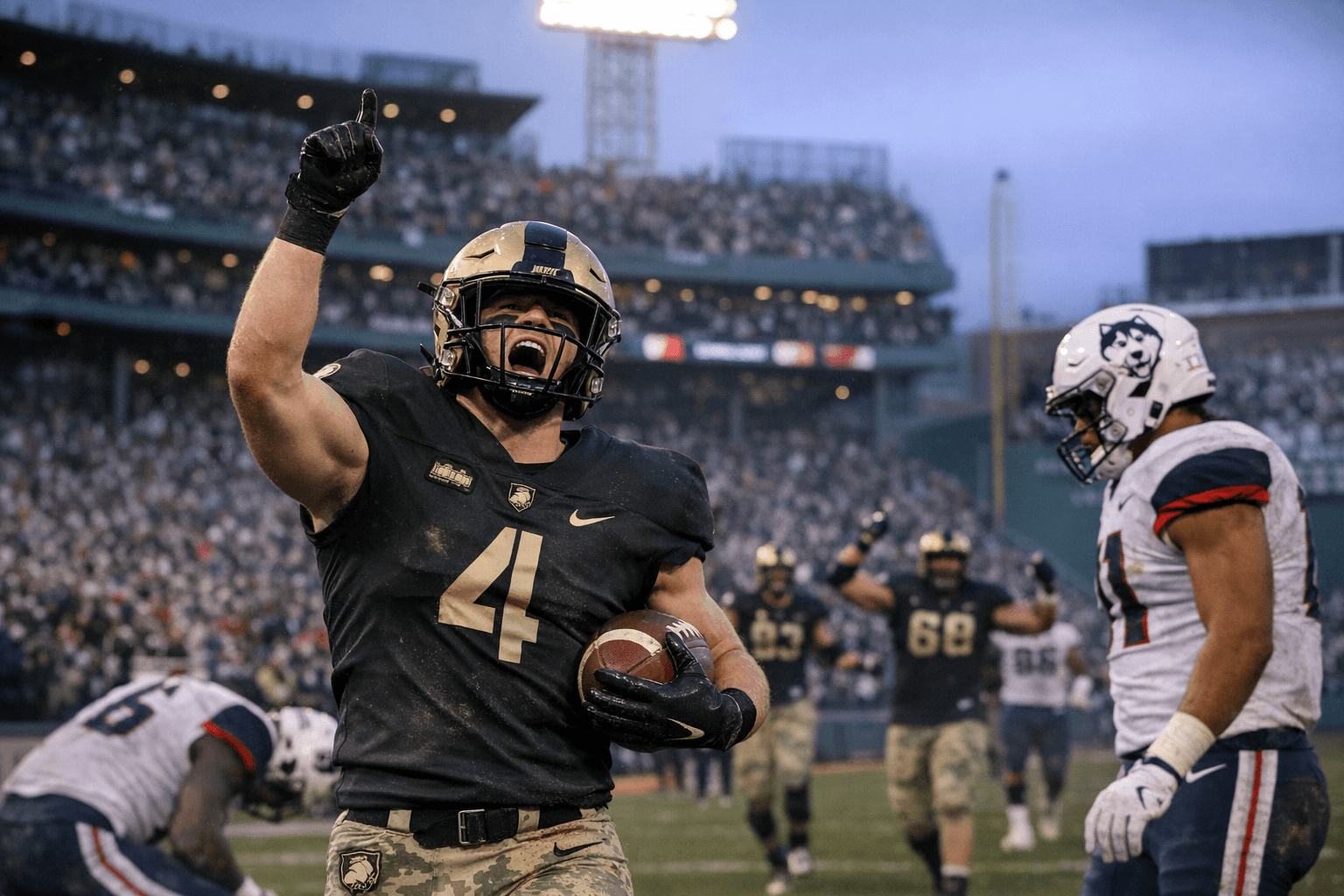
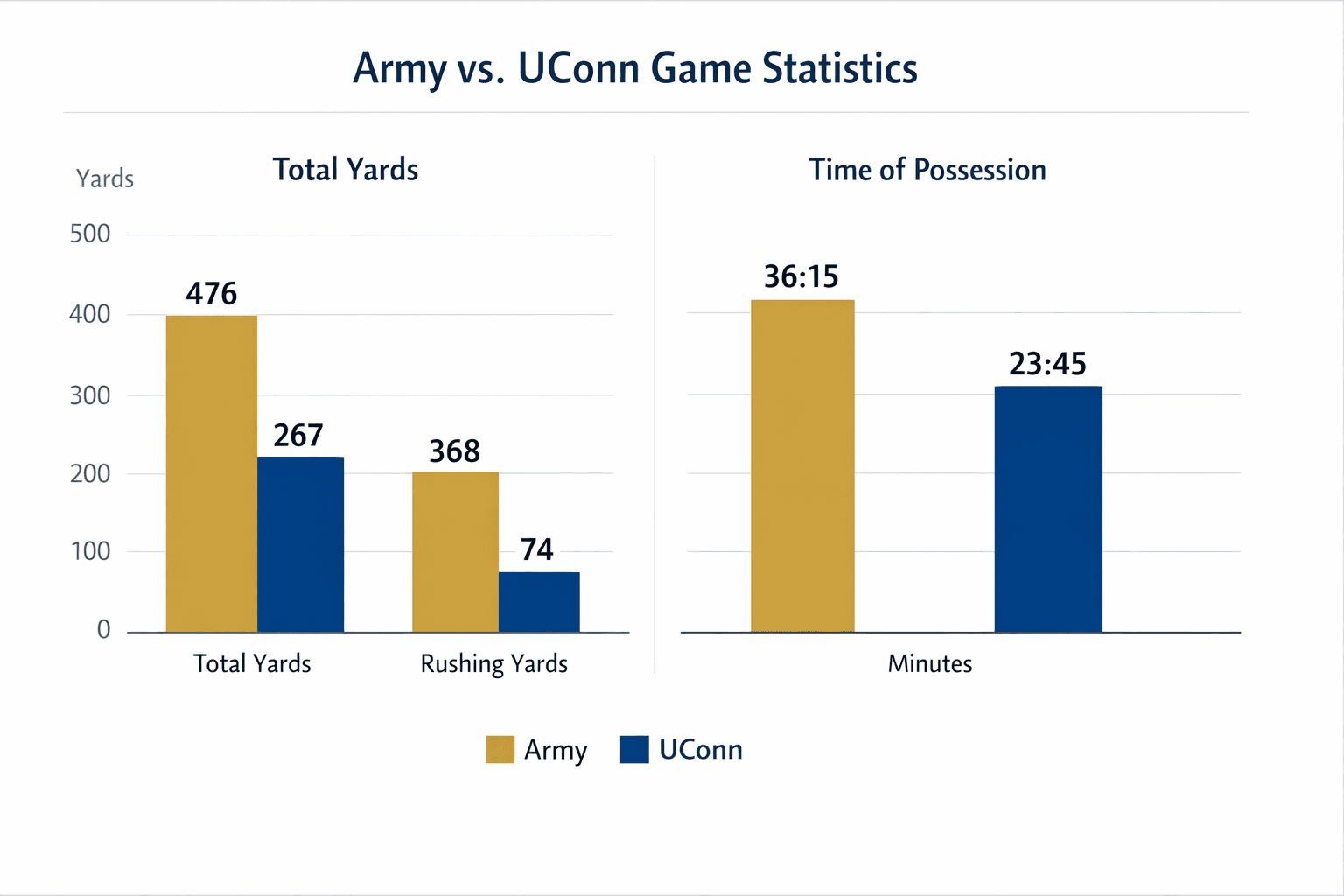
Army West Point defeated UConn 41 to 16 in the Wasabi Fenway Bowl at Fenway Park on Saturday, December 27, after a game dominated by Army’s ground attack and ball control. The Black Knights outgained the Huskies 476 to 267 in total yards, including 368 rushing yards, and held the ball for 36 minutes and 15 seconds. Freshman running back Godspower Nwawuihe rushed for 171 yards and two touchdowns on 12 carries to earn Fenway Bowl Offensive MVP honors, while senior captain Kalib Fortner was named Defensive MVP.
Army erased an early UConn lead after the Huskies opened the scoring on a Cam Edwards rushing touchdown, and then imposed a steady offensive rhythm and stifling run defense. Nwawuihe’s touchdowns included a 43 yard score late in the second quarter and a 70 yard run to open the second half, the latter one of the longest touchdown runs in Fenway Bowl history. Quarterback Cale Hellums contributed both passing and rushing scores in a balanced attack that gave coach Jeff Monken his third consecutive bowl victory and reinforced his strong record in postseason play. Attendance at Fenway Park was reported at 22,461, and game statistics and a play by play summary detailed the key drives and scoring plays.
For Suffolk County the game was more than a sports result. Fenway Park events bring revenue to downtown businesses, hotels and transit operators, yet they also concentrate large numbers of people outdoors and in nearby indoor spaces during peak respiratory virus season. Public health officials and emergency services must weigh the impacts of large winter gatherings on local hospitals and urgent care centers, and the seasonal surge in respiratory illness can increase demand for medical services and testing.
The event also highlights workforce and social equity concerns. Stadium employees, concession workers and service staff rely on event schedules for income, often in low wage positions with limited paid sick time and health coverage. Ensuring protections such as accessible sick leave, onsite medical support and vaccination outreach for workers and attendees can reduce transmission risks and protect vulnerable households that may bear the downstream burden of illness.
As Fenway Park continues to host marquee events, local policymakers and health leaders face choices about coordinating transit, emergency response, and worker protections to balance economic benefits with community health and equity. The result on the field is settled, but the broader public health and social impacts of high profile events during winter months remain an ongoing concern for Suffolk County.
This article was produced by Prism’s automated news system from verified source data, official records, and press releases, then run through automated quality and moderation checks before publishing. The system is built and supervised by the people who set the standards it runs under. Read our full AI policy.
Did this article answer your question?