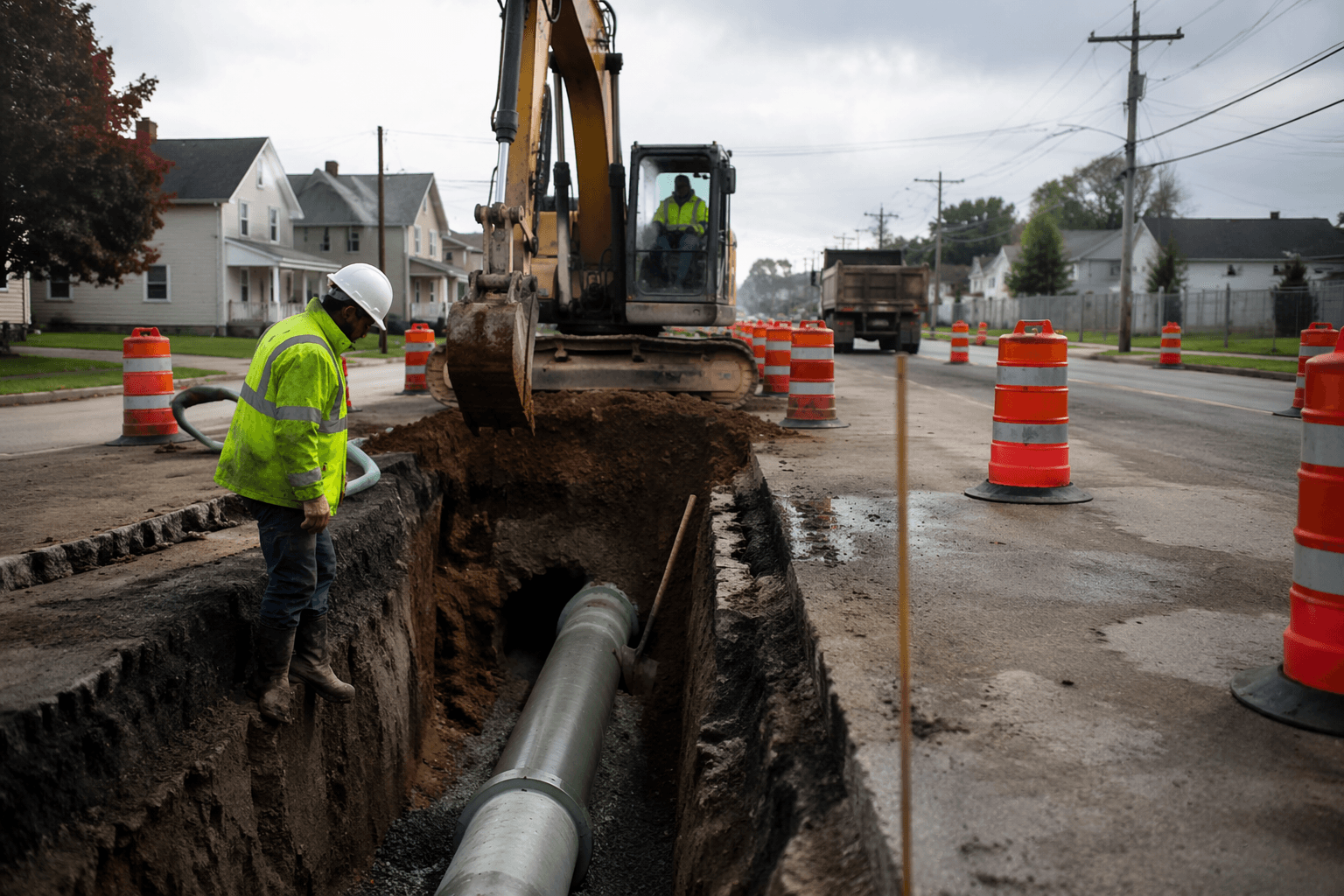
Brookhaven Settles With SARV Properties, Requires Repairs and Timelines to Protect Tenants
Brookhaven settled with SARV Properties to fix alleged housing-code violations, imposing repair timelines to improve tenant safety and habitability.
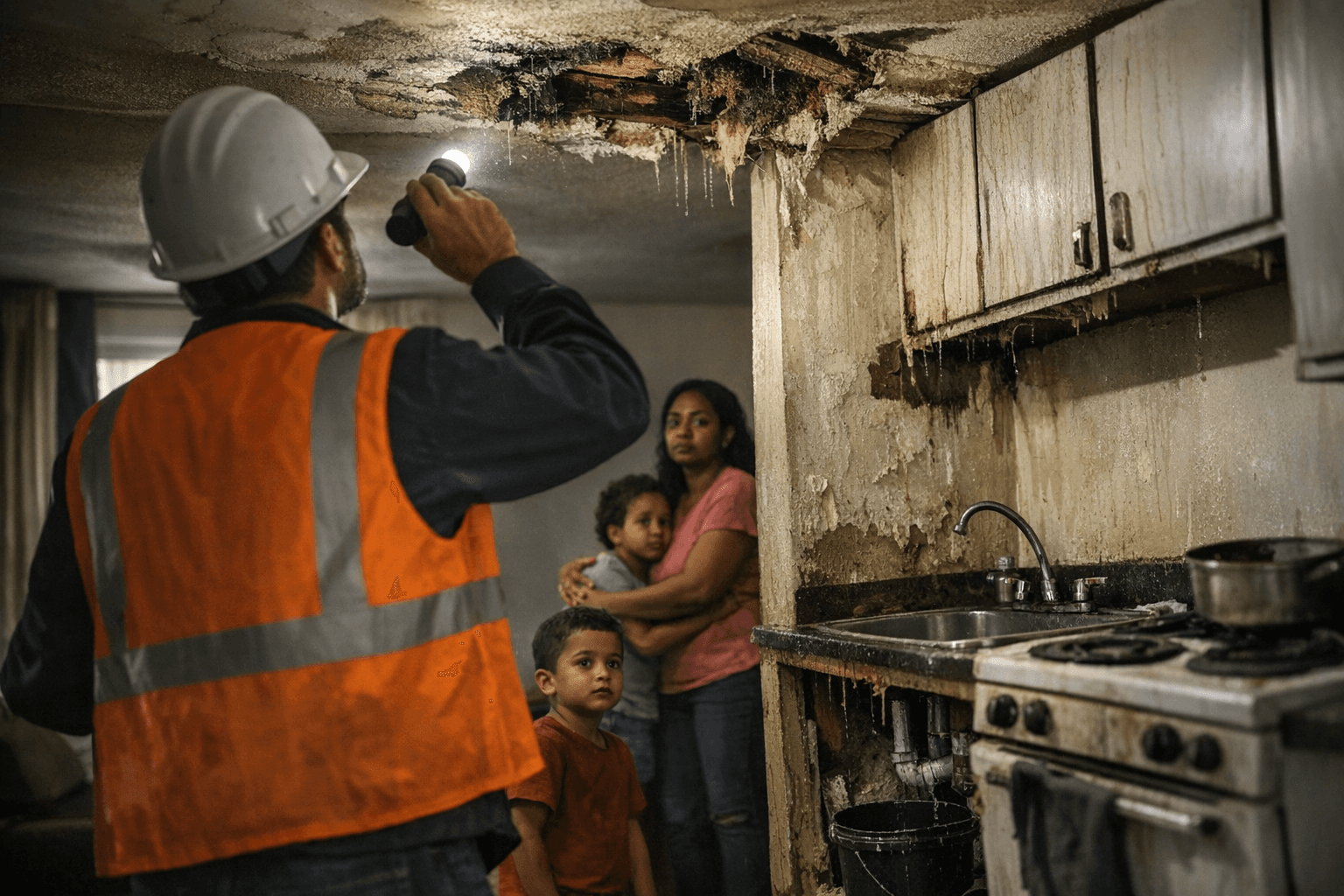
Brookhaven Town reached a settlement with SARV Properties on January 20, 2026, resolving alleged housing-code violations at rental properties and imposing specific remediation steps and timelines to bring units up to code. The agreement is intended to protect tenant safety and habitability and forms part of the town’s broader enforcement effort to hold property owners accountable.
Under the settlement, SARV Properties agreed to a schedule of repairs and actions required to correct the cited deficiencies. Town officials described the settlement as a mechanism to ensure units meet municipal housing standards and to restore safe living conditions for affected renters. The town framed the enforcement action as a recurring part of municipal oversight intended to preserve housing stock and protect resident dignity.
The case highlights the role of local government in enforcing building and health codes where private landlords manage rental housing. For residents in Brookhaven and across Suffolk County, the settlement signals that code enforcement can result in concrete remedial obligations rather than only warnings or citations. For tenants living in properties owned or managed by SARV Properties, the settlement promises repairs and a timeline for when those repairs are to be completed, a change that could directly affect day-to-day habitability.
Brookhaven’s approach raises policy questions about capacity and consistency in local enforcement. Municipalities rely on inspection staff, legal resources, and sometimes negotiated settlements to address substandard housing. Where enforcement is effective, tenants see quicker repairs and fewer immediate health risks; where enforcement is thin, violations can persist and escalate. The SARV Properties settlement illustrates the balance town officials attempt between securing corrective action and using limited municipal resources to compel compliance.
Tenants should monitor the timeline set by the town and document any ongoing issues in their units. Renters who believe their housing violates code typically can file complaints with Brookhaven code enforcement so inspections and follow-up actions are recorded. Local officials will likely continue to use investigations and settlements to address problem properties while seeking to deter future violations through accountability measures.
For Brookhaven voters and civic groups focused on housing, the settlement offers a case study in how municipal enforcement affects everyday living conditions. The practical next step is implementation: residents will be watching to see whether repairs occur on schedule and whether the town follows through with oversight. Successful compliance would improve safety for affected tenants; failure to comply would trigger further municipal action and scrutiny.
This article was produced by Prism’s automated news system from verified source data, official records, and press releases, then run through automated quality and moderation checks before publishing. The system is built and supervised by the people who set the standards it runs under. Read our full AI policy.
Did this article answer your question?