Drones boost shark spotting off Suffolk County beaches this summer
More drones will scan Long Island surf this summer, and state beaches can close as soon as a shark sighting is reported. Officials say that may mean more alerts, not just more danger.
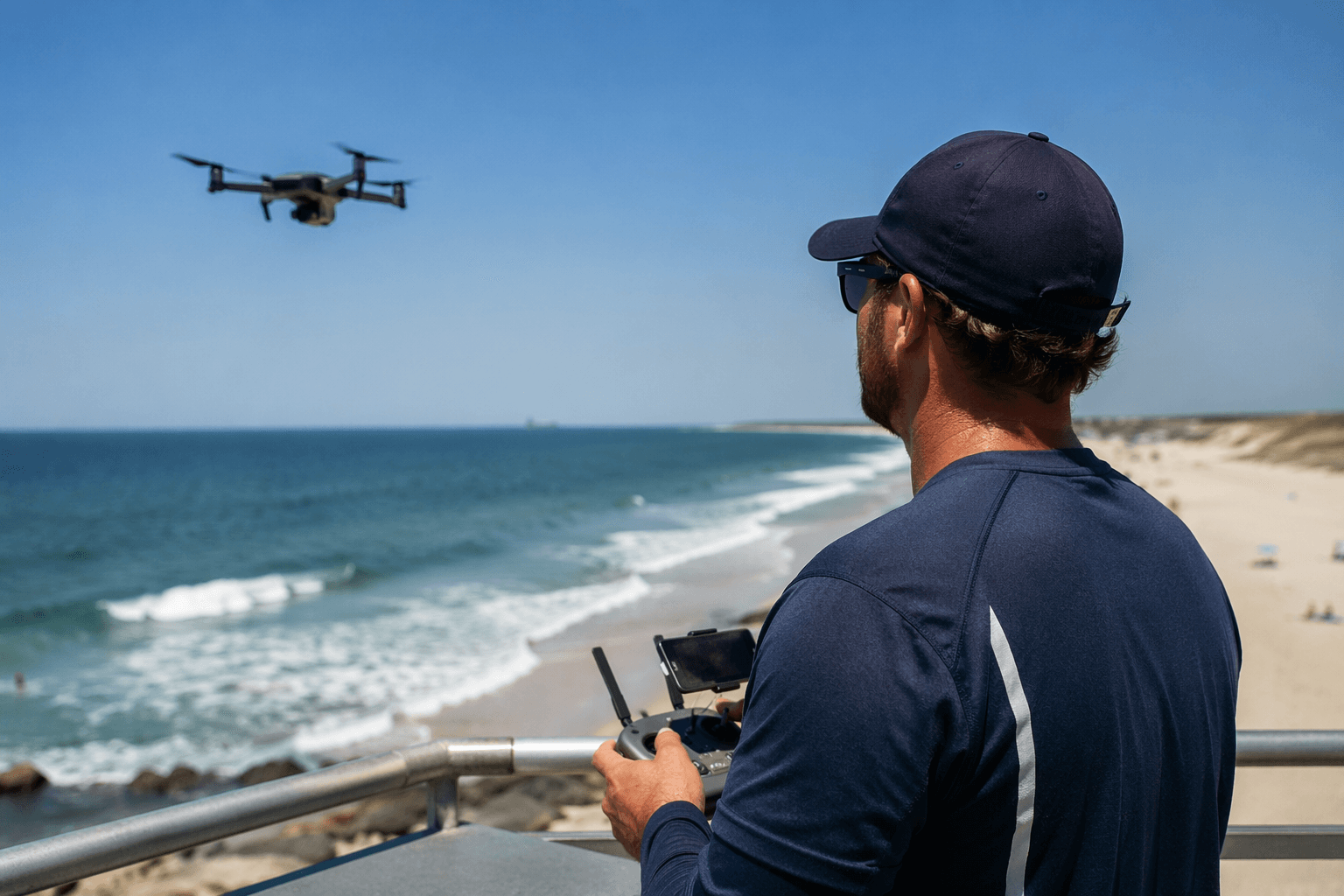
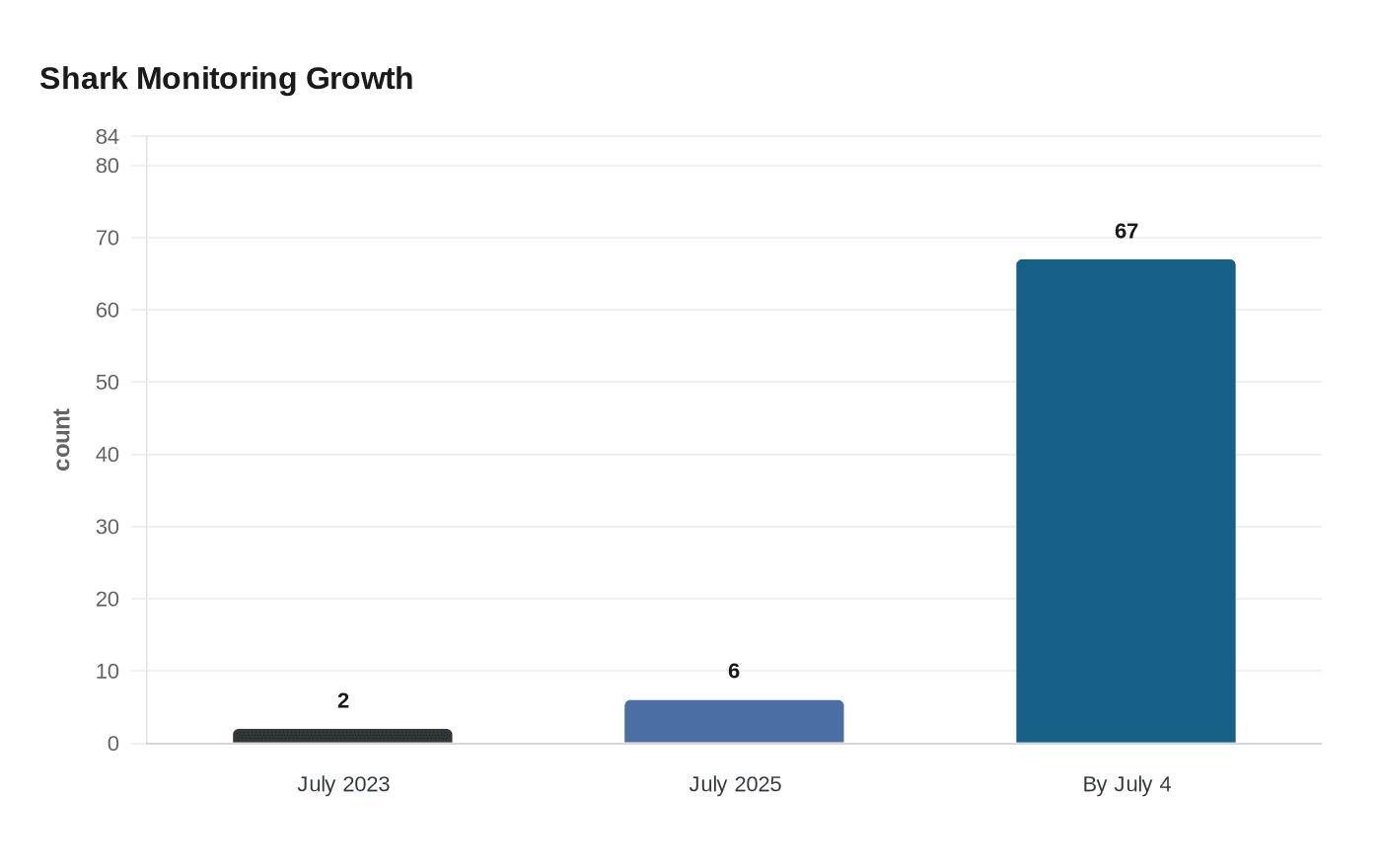
State officials expanded shark-monitoring over Long Island beaches ahead of summer, adding 16 drones to bring the fleet to 46 and pushing the number of certified operators to 67 by July 4. For swimmers, surfers and parents heading to Suffolk County shorelines, that means more visible eyes over the water and a faster response when something looks off.
The drones are being used by lifeguards, park police and staff to search for sharks and large schools of fish that can draw them in. At Long Island State Park beaches, once a shark sighting or interaction is reported, swimming is immediately suspended. That makes the drone program more than a tracking tool: it is part of how quickly a beach can shift from open water to a cleared shoreline.
The state says the annual summer migration of sharks into New York coastal waters is underway and that sightings are expected to rise from June through September. New York’s waters host more than 13 shark species each year, and state environmental officials have urged beachgoers to avoid schools of fish, seals, murky water and swimming at dusk, night and dawn. The warnings are meant to reduce unnecessary risk in waters where sharks are a normal part of the marine environment.
At the same time, scientists say not every uptick in sightings means sharks are suddenly appearing in greater numbers. Researchers at Stony Brook University and collaborators have said cleaner water, conservation gains, changing prey patterns and better detection technology, including drones and social media, can all make sharks seem more common because people are seeing them more often. A Stony Brook-associated study found six migratory shark species left northeastern waters later than usual over the 2018-2022 period, by an average of about 12 days. Under future sea-surface-temperature scenarios, sandbar sharks showed the greatest predicted delay, with a median of 29 days.
Suffolk County has been moving in this direction for years. In July 2023, the county said it would add two high-tech drones at ocean beaches after a cluster of shark encounters. State officials followed with another expansion in July 2025 after a possible shark encounter at Jones Beach, adding six drones to bring the state fleet to 28 and training eight new pilots. The state later said the swimmer’s injuries were likely caused by a juvenile sand tiger shark.
For Suffolk’s South Shore beaches, East End waters and the busy stretches around Smith Point County Beach, Cupsogue Beach County Park, Fire Island, Jones Beach State Park and Robert Moses State Park, the practical effect this summer is clear: more surveillance, quicker closures and a beach season shaped as much by detection as by danger.
Know something we missed? Have a correction or additional information?
Submit a Tip