Environmental Groups Push Back on Stump Pond Dam Approval in Smithtown
Save the Sound pushed back March 11 after Suffolk County cleared a key environmental hurdle for rebuilding the Stump Pond dam at Blydenburgh County Park without a full impact study.
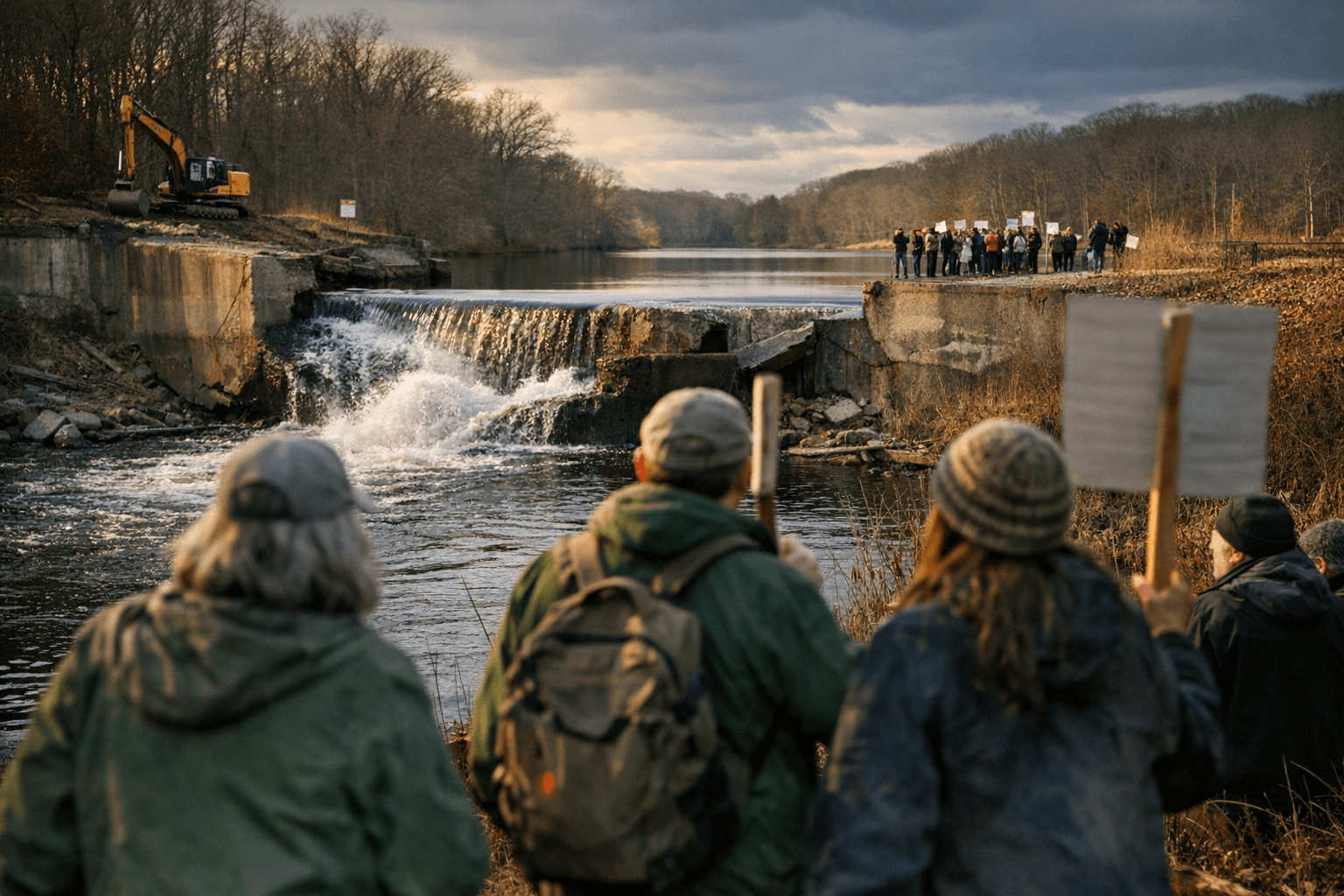
Save the Sound responded publicly last week after Suffolk County moved to clear a critical environmental review threshold for a proposed dam reconstruction at Blydenburgh County Park in Smithtown, raising concerns about a process that opponents say bypassed the deeper scrutiny the project warrants.
The environmental advocacy organization published its response on March 11, 2026, directed at the Suffolk County Legislature's vote to issue a negative declaration under the State Environmental Quality Review Act, known as SEQRA, for the proposal to construct a new dam at the former Stump Pond site, also historically called New Mill Dam. A negative declaration under SEQRA signals that a lead agency has determined a project is not expected to cause significant adverse environmental impacts, exempting it from the requirement to produce a full environmental impact statement.
The Suffolk County Council on Environmental Quality had voted 6–1 to issue that negative declaration for the proposed dam reconstruction, a determination The Fisherman, a regional fishing publication, described as "a major procedural hurdle cleared for the restoration effort." The lone dissenting vote on the seven-member council was not identified in available records.
The decision advances the project toward what county documents describe as the next phases: legislative consideration, detailed design work, and state permitting. Proponents of rebuilding Stump Pond, including local residents, outdoor recreation groups, and fishing organizations, have framed the effort as restoring not just open water but a piece of central Suffolk County's recreational identity. Blydenburgh County Park has long drawn anglers, kayakers, and families, and supporters envision those uses returning once the pond is restored.
Save the Sound's specific objections were not fully available in published materials as of this reporting, though the organization's decision to issue a formal response signals disagreement with the county's conclusion that no environmental impact statement is needed. The text of their statement had not been released in full at press time.
The procedural stakes are significant. An environmental impact statement would require the county to analyze the project's effects on hydrology, wildlife habitat, water quality, and wetlands before construction could proceed. By issuing a negative declaration instead, the county bypassed that process, which critics argue shortchanges the public's ability to weigh in on a project that would fundamentally alter the ecology of a park that draws visitors from across Suffolk County.
Whether Save the Sound intends to challenge the negative declaration through administrative or legal channels remains unclear. The project still requires state permits before any construction at the Blydenburgh site can begin.
This article was produced by Prism’s automated news system from verified source data, official records, and press releases, then run through automated quality and moderation checks before publishing. The system is built and supervised by the people who set the standards it runs under. Read our full AI policy.
Did this article answer your question?