Environmental groups sue Suffolk County over Blydenburgh dam project
Six environmental groups have sued Suffolk County, saying lawmakers rushed the Blydenburgh dam plan without the environmental review state law requires.
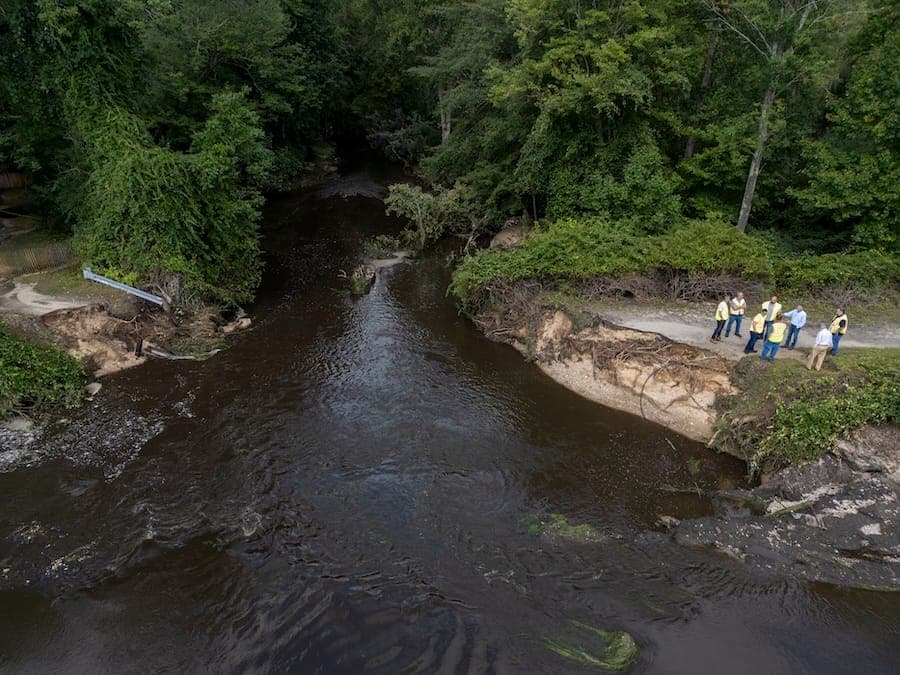
Six environmental groups sued Suffolk County over the plan to rebuild the New Mill Dam at Blydenburgh County Park, turning the long fight over Stump Pond into a courtroom battle over who gets to decide the park’s future. The challenge targets the county’s review process as much as the project itself, after lawmakers approved the state environmental determination for the reconstruction on March 10, 2026.
The lawsuit follows months of debate over whether Suffolk should restore the impoundment that once defined the park or leave the Nissequogue River in its post-breach condition. County lawmakers voted 13-5 to move ahead, but environmental advocates contend that decision came too quickly and without the thorough study they believe state law requires for a project with lasting flood-control and ecological consequences.
The legislature’s resolution set the county’s coordinated SEQRA review date at December 5, 2025. County engineers and consultants first presented the plan to the Suffolk County Council on Environmental Quality on January 14, 2026, when the board tabled its review. The CEQ returned to the issue at a special meeting on January 28, after 68 pages of written correspondence on the proposal.
The project grew out of the August 2024 storm that tore through Suffolk County and caused the historic dam in Blydenburgh Park to fail, draining Stump Pond. Rebuilding the dam and spillway would restore an approximately 118-acre freshwater pond and adjoining riparian wetlands, while adding fish passage for alewife, American eel, brown trout and brook trout. The design also calls for raising the earthen dam about two and a half feet to meet New York State Department of Environmental Conservation dam-safety requirements and adding a low-level outlet drain for emergency drainage, inspection and maintenance.
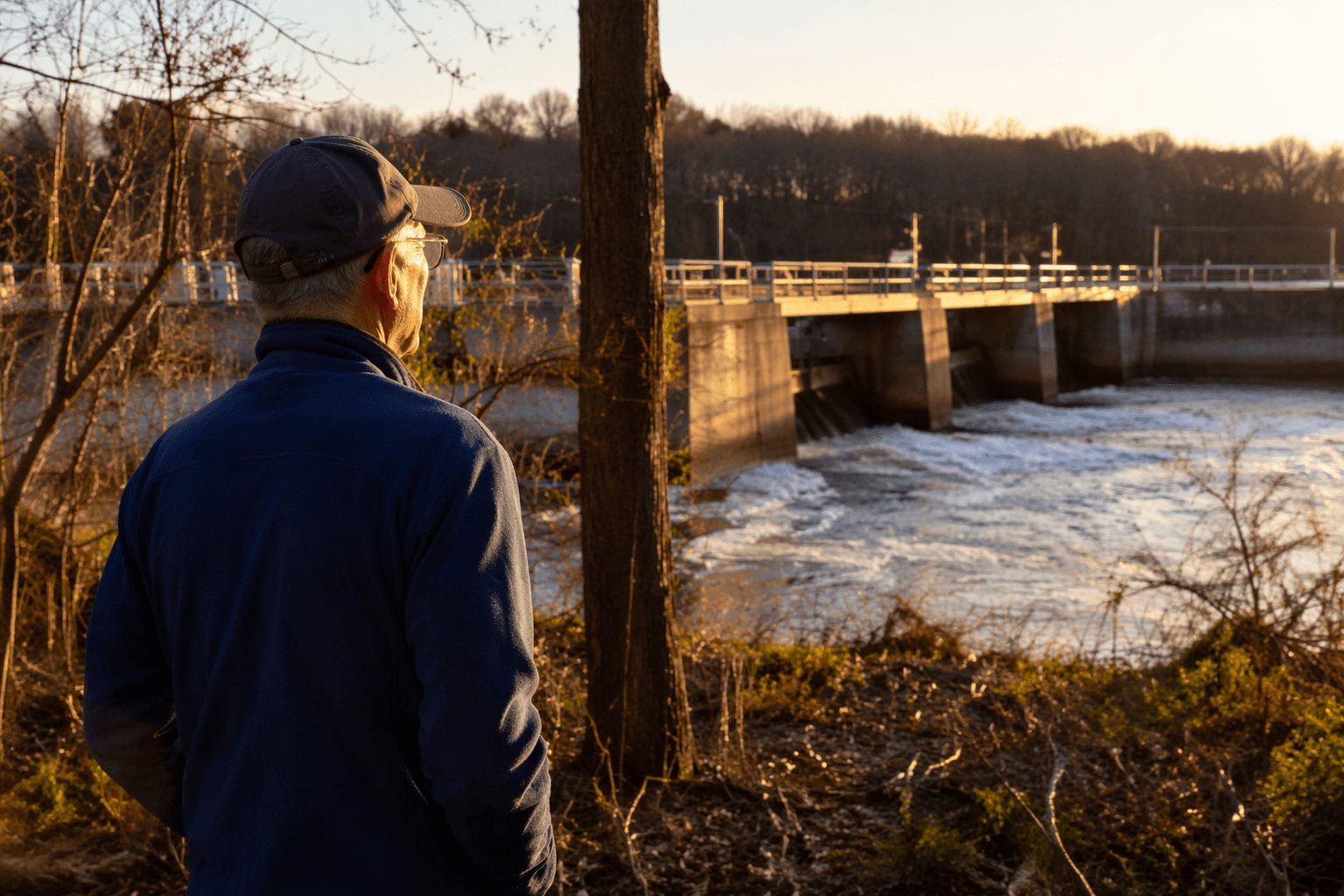
Save the Sound and other environmental groups argue the reopened stretch of the Nissequogue is improving water quality and supporting native brook trout. Seatuck Environmental Association estimates the reconstruction would eliminate about 2 miles of free-flowing, cold-water stream habitat and 128 acres of freshwater meadows.
Stump Pond is a longstanding recreation and fishing asset, and the original dam dates to 1798, when it was built to power a grist mill. The Nissequogue River is a Scenic and Recreational River and a Significant Coastal Fish and Wildlife Habitat.
This article was produced by Prism’s automated news system from verified source data, official records, and press releases, then run through automated quality and moderation checks before publishing. The system is built and supervised by the people who set the standards it runs under. Read our full AI policy.
Did this article answer your question?