Greenport Yacht & Shipbuilding in contract for sale, tests waterfront law
Greenport Yacht & Shipbuilding’s sale to a Huntington buyer could become Suffolk’s first real test of its new working waterfront law, with jobs and harbor access on the line.
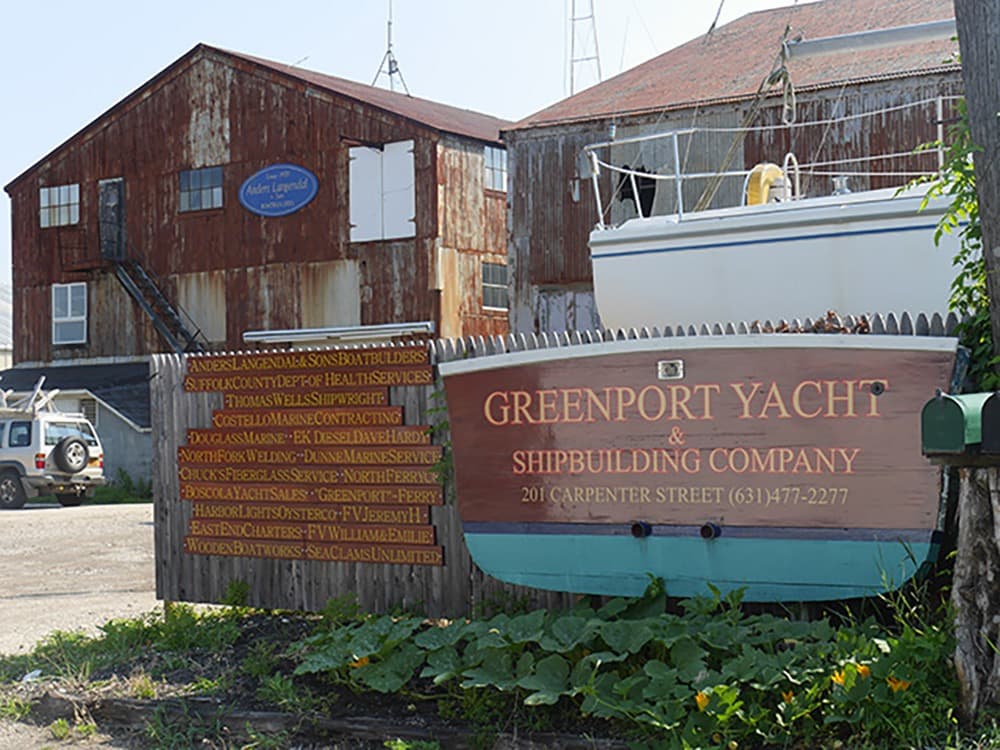
Greenport’s oldest active working waterfront is heading toward new ownership, and Suffolk County’s new preservation law may be tested almost immediately. Greenport Yacht & Shipbuilding Co., a shipyard whose roots go back to 1840, is in contract to be bought by Huntington entrepreneur Nick Voulgaris III after the summer season, ending more than half a century of ownership by Stephen Clarke.
The deal matters far beyond one parcel on the Greenport waterfront. Suffolk County says it has about 2,400 acres of commercial waterfront property, land that supports fishing, boatbuilding, repairs and other marine services. County leaders passed a landmark working waterfront law in September 2025 and County Executive Ed Romaine signed it in Greenport late that month, framing it as a way to protect the region’s maritime heritage and commercial fishing economy.

The law is voluntary, but it gives property owners a path to keep waterfront land in active use through conservation easements. It also created a 17-member Working Waterfront Committee to review applications. In practice, that means the county can help preserve industrial marine uses if an owner is willing to sell future development rights, rather than cashing out to a non-maritime buyer.
That framework is now being watched in Greenport, where the shipyard sits on one of the East End’s most visible working docks. Nick Voulgaris III has already been exploring whether the county’s new working waterfront protection plan could help keep the property maritime, a sign the sale could become a model for how the law operates when an actual transaction is on the table.
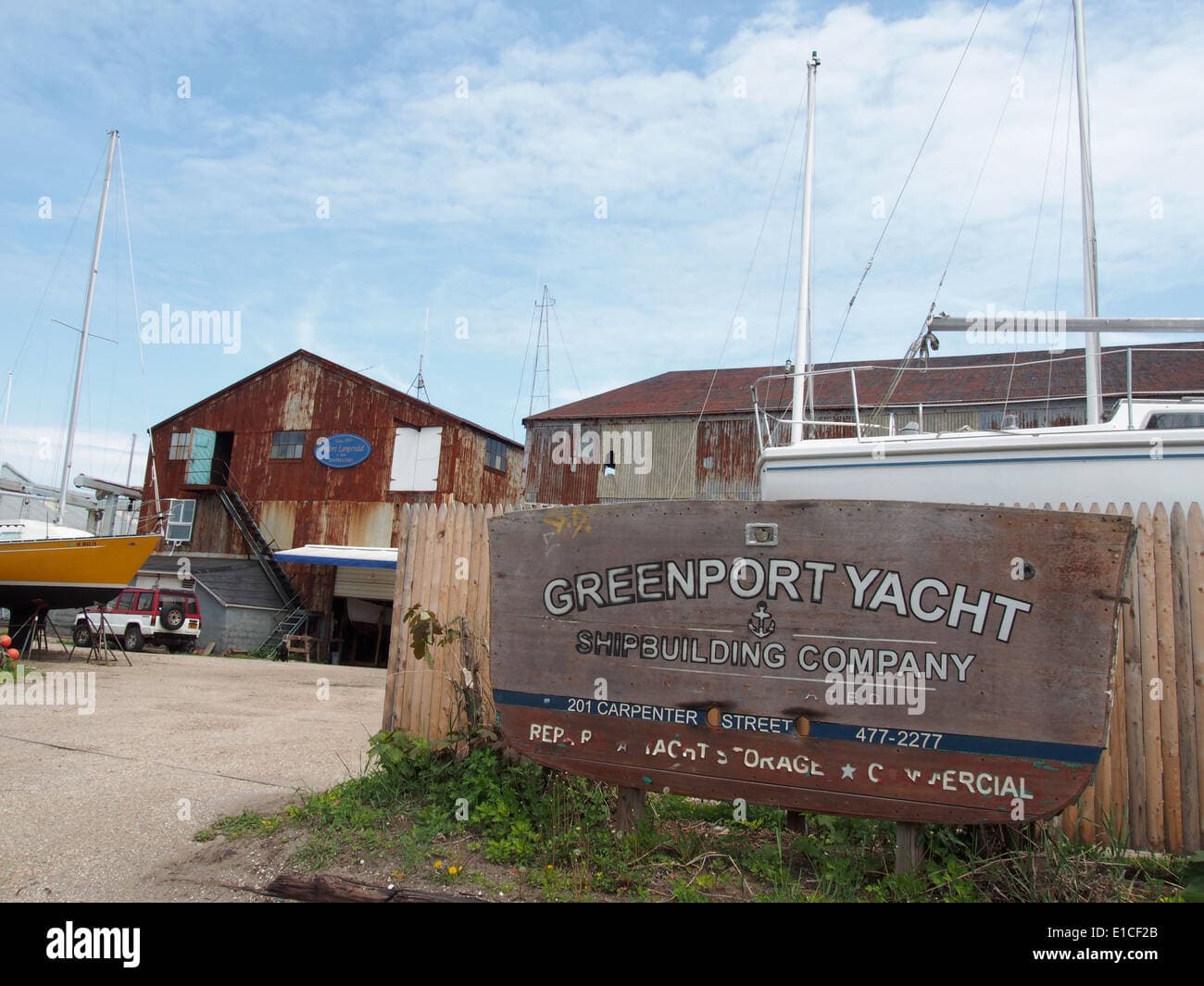
The stakes are economic as well as historic. Suffolk County lawmakers said the county has nearly 3,000 maritime-related businesses employing more than 38,000 workers, accounting for over 6 percent of the county’s total economy. State commercial fishing landings topped 17 million pounds in 2023, worth more than $28 million, a reminder that waterfront land is tied to a broader regional industry, not just a local view or a single dock.
Clarke has warned that rising property values could push working waterfronts out of existence within a decade, saying he would hate to see that happen. That fear is common on the East End, where marina, harbor and industrial land can become more valuable for redevelopment than for the marine work that built places like Greenport in the first place.

The county law was modeled in part on Maine’s 2008 working waterfront legislation and on Suffolk’s farmland preservation program. If Greenport Yacht & Shipbuilding stays in industrial marine use after the sale, it could give Suffolk an early proof point that the new law can preserve jobs, keep marine services on the water and slow the loss of the county’s last active working harbors.
This article was produced by Prism’s automated news system from verified source data, official records, and press releases, then run through automated quality and moderation checks before publishing. The system is built and supervised by the people who set the standards it runs under. Read our full AI policy.
Did this article answer your question?