Hochul backs data center moratorium during Babylon Town Hall visit
Hochul backed a one-year pause on new hyperscale data centers in Babylon, but Suffolk’s East Hampton battery fight stayed unresolved. Towns now have breathing room, not answers.
Gov. Kathy Hochul used a Babylon Town Hall visit to back a one-year state moratorium on new hyperscale data centers, a move that gives Suffolk communities more room to push back on large projects while leaving the East Hampton battery plant dispute unsettled.
Hochul’s executive order called the pause the state’s first temporary moratorium on new hyperscale data centers. It is meant to last one year while New York develops higher standards for data center development and a benefits blueprint for localities, with the governor casting the policy as a way to protect ratepayers, the environment and the electric grid.
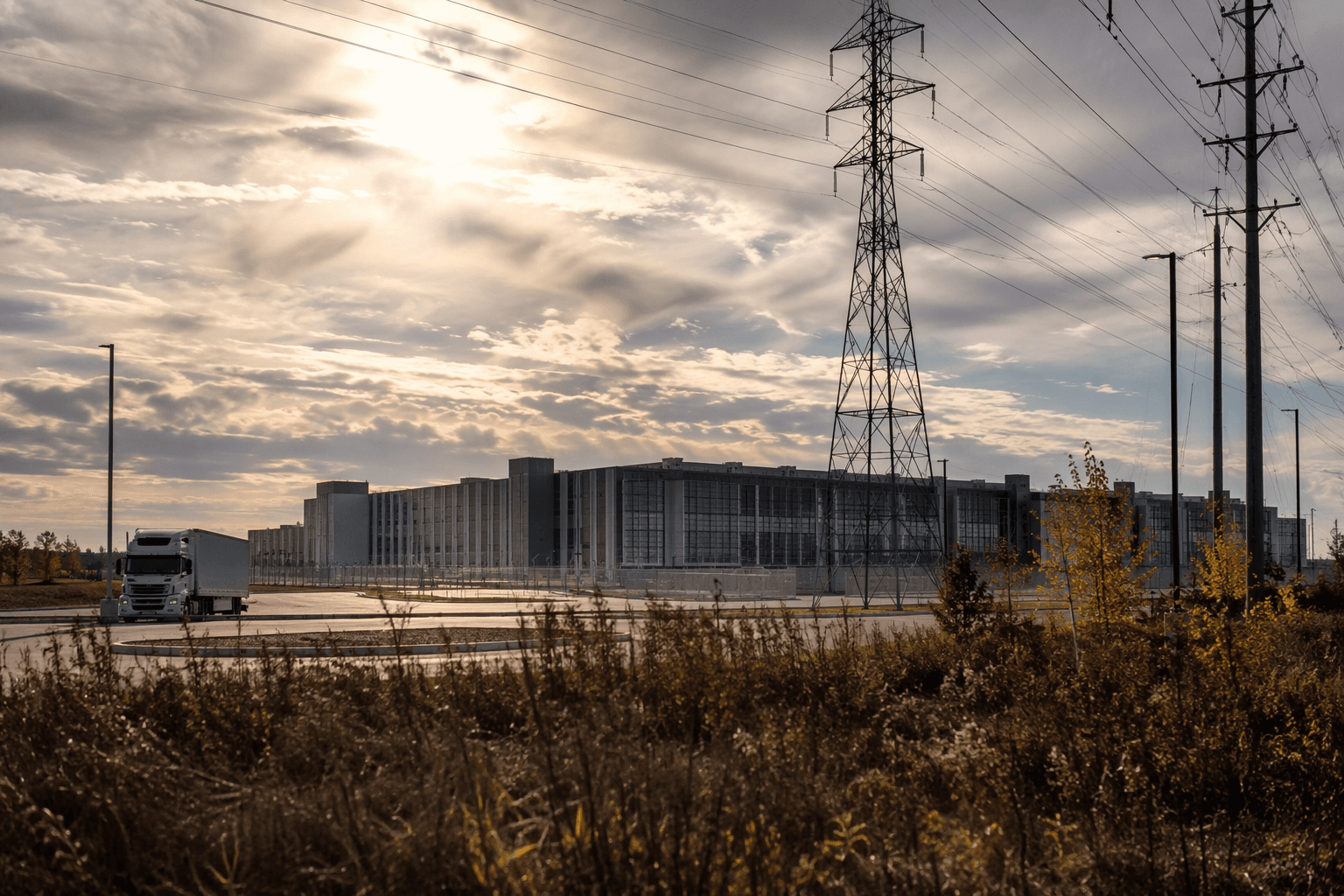
For Suffolk, the issue cuts far deeper than Albany process. Data centers can drive up electricity demand, and they have become a flash point in places like Babylon and East Hampton because of worries about water use, noise, zoning changes and industrial buildings moving closer to residential neighborhoods. The Babylon Town Hall roundtable put that local-control question front and center, with town and county leaders looking for more say before major projects are locked in.
The timing also matched a broader shift in public opinion on Long Island. A Newsday-Siena poll found more Long Islanders backed a one-year moratorium on data centers, suggesting the pause has political support in the region where siting fights are most visible.
The battery plant question was more complicated. Suffolk County Executive Edward P. Romaine has called for the East Hampton battery facility to be shut down over contamination concerns, but Hochul stopped short of endorsing that step. That caution reflects the state’s effort to balance economic development, grid reliability and clean-energy goals against neighborhood opposition.

The stakes are not theoretical in Suffolk. In June 2026, the Suffolk County Water Authority sued a battery plant developer, alleging PFAS from batteries entered the water and migrated into the Bridgehampton wellfield. And in October 2023, the New York State Public Service Commission approved construction and operation of a 110-megawatt battery storage facility in Brookhaven, a $160 million project it said included significant fire safety features.
Together, the data center pause and the unresolved battery fight leave Suffolk towns in a familiar position: asked to absorb the local impacts of the region’s energy transition while waiting for state leaders to decide which projects can move ahead, and which will be held back.
This article was produced by Prism’s automated news system from verified source data, official records, and press releases, then run through automated quality and moderation checks before publishing. The system is built and supervised by the people who set the standards it runs under. Read our full AI policy.
Did this article answer your question?