Huntington African American Museum shifts focus to park site in Huntington Station
Denied a Halesite home, Huntington’s Black history museum is now eyeing a Huntington Station park, a shift that could reshape access, symbolism and support.
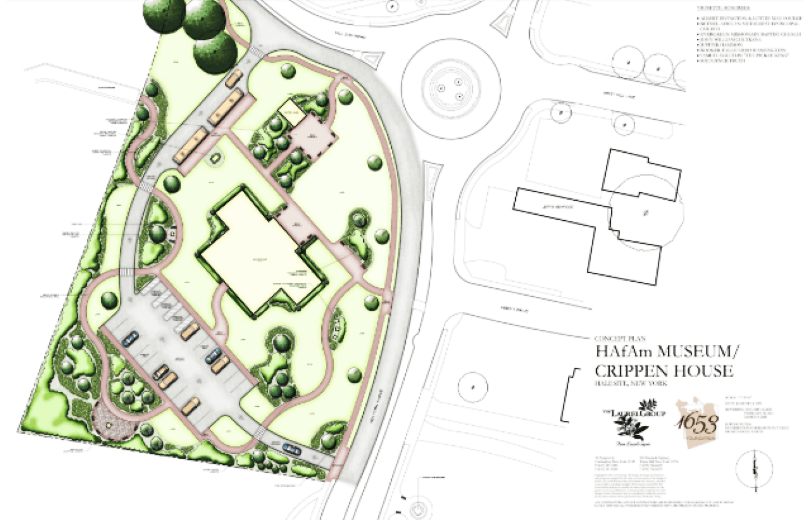
The Huntington African American Museum has moved past its Halesite plan and is now focusing on a park in Huntington Station, a pivot that could decide whether the town’s first permanent African American museum finally gets a workable home.
The change matters because the Halesite site had already become tangled in land-use politics. In April 2023, the Huntington Town Board approved a 99-year license for about 1.5 acres of town-owned land at New York Avenue and Mill Dam Road, near the historic Peter Crippen House. That site was tied to the museum concept, but the project now faces a different path, with Albany legislation needed to authorize the Town of Huntington to alienate and discontinue parkland for the museum.
Those bills, Assembly bill A6604 and Senate bill S5932, keep the project alive while also showing how much legal work remains before anything can be built. The museum’s supporters have been working on the idea since 2005 through the Huntington African American Historic Designation Council, and the latest shift suggests they are still trying to find a site that can clear both political and practical hurdles.
The move to Huntington Station also changes the museum’s meaning on the ground. Halesite linked the project to a specific parcel near the waterfront and the former Naval Reserve center, while a park in Huntington Station would place the museum in a different part of town and could broaden its day-to-day reach. For a project meant to interpret Black history in Huntington, that matters as much as the architecture. It affects who can get there easily, which neighborhood sees it as its own, and how the museum is understood as either a destination site or a community anchor.
The museum’s history is also tied to the Peter Crippen House, where the town has been salvaging historic material for possible use in the museum. Peter Crippen, an African American man who bought the property in 1864, remains a key figure in Huntington’s Black history, and the museum has been framed as a place to preserve that legacy as well as tell the broader story of African Americans in the town and beyond.
Fundraising remains the biggest challenge. Barry Lites, the museum board chair, and Irene Moore, who chairs the African American Historic Designation Council, have both been central to the effort, while Town Supervisor Ed Smyth has said the town has already passed a resolution giving the museum land and is waiting for fundraising to support construction.
Support has also come from local cultural institutions. The Heckscher Museum, the Huntington Arts Council and the Whaling Museum have offered to host exhibits while the permanent museum is developed, keeping the project visible even as its final home is still being negotiated.
This article was produced by Prism’s automated news system from verified source data, official records, and press releases, then run through automated quality and moderation checks before publishing. The system is built and supervised by the people who set the standards it runs under. Read our full AI policy.
Did this article answer your question?

