LaLota Meets With Suffolk Sheriff, Criticizes State Bail Reform Laws
Rep. Nick LaLota met with Sheriff Errol Toulon today to blast New York's bail reform laws and pledge federal backing for Suffolk deputies.
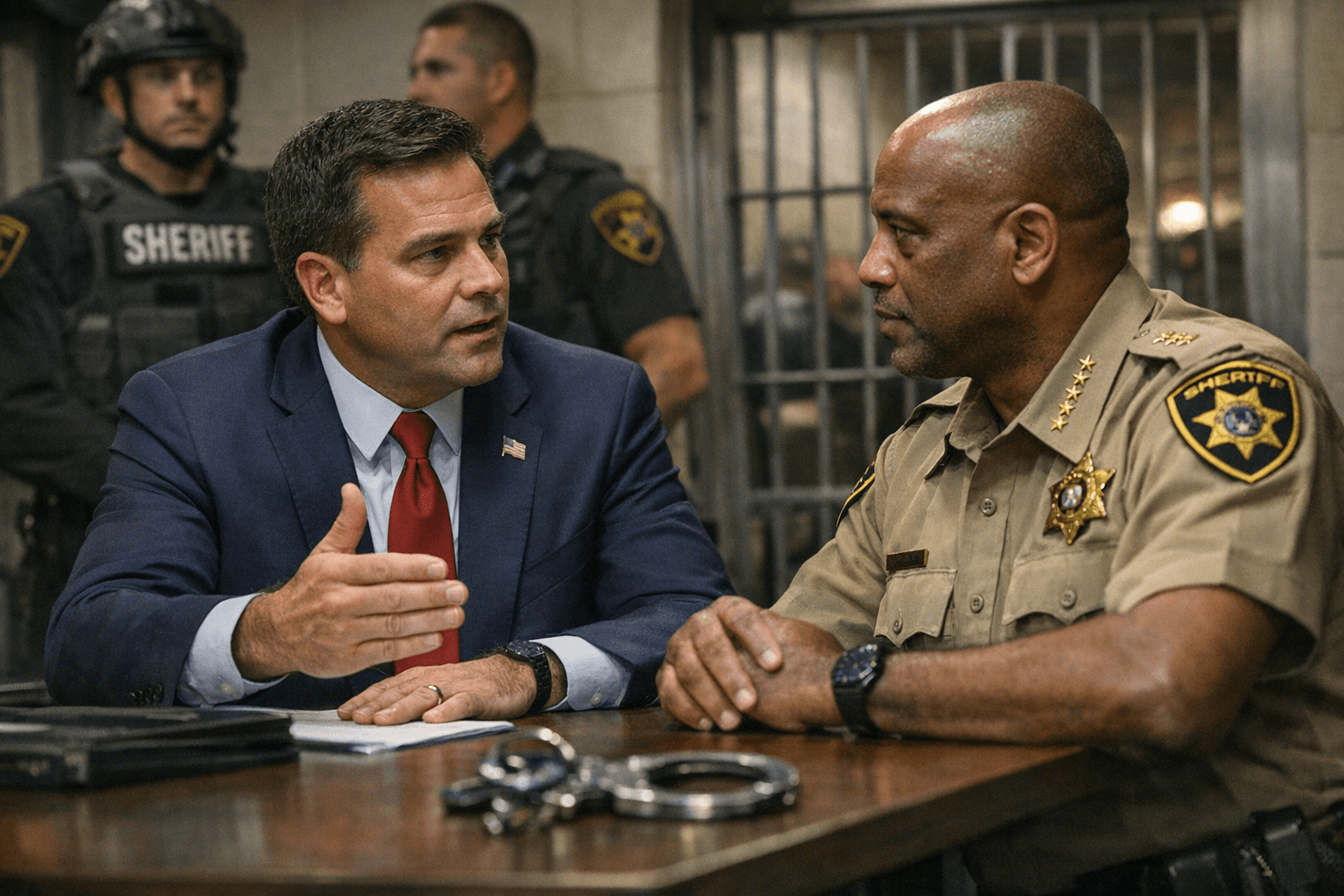
Rep. Nick LaLota sat down with Suffolk County Sheriff Errol Toulon and members of the Sheriff's Office on Saturday to voice sharp criticism of New York's bail reform laws and reaffirm his support for local law enforcement navigating the consequences.
The meeting, held March 15, brought LaLota face-to-face with Toulon and deputies to work through the challenges posed by state-level criminal justice policies that the congressman has consistently opposed. Bail reform, which New York has revised multiple times since its 2020 implementation, remains a flashpoint between state lawmakers in Albany and law enforcement officials across Long Island who argue the changes have undermined public safety.
LaLota used the meeting to align himself squarely with the Sheriff's Office position, pledging federal support for officers as they contend with what he characterized as ongoing public safety concerns tied directly to bail reform. The congressman represents New York's First Congressional District, which covers the eastern portion of Suffolk County, making the Sheriff's Office a natural and politically significant partner.
Toulon, who has led the Suffolk County Sheriff's Office since 2018 and has previously spoken out on the operational pressures bail reform creates, received LaLota's commitments as the two discussed how federal resources and advocacy might offset gaps left by state policy decisions.
The encounter reflects a broader pattern of friction between New York's Democratic-controlled state legislature and federal Republican officials representing Long Island communities. Bail reform has become a recurring wedge issue in Suffolk County, where law enforcement unions and elected officials from both parties have at times clashed with Albany over the pace and scope of the changes.
LaLota's visit to the Sheriff's Office signals that the issue will remain central to his legislative identity heading into the 2026 election cycle, with federal-local coordination on public safety framed as a direct counter to state policy he views as inadequate.
This article was produced by Prism’s automated news system from verified source data, official records, and press releases, then run through automated quality and moderation checks before publishing. The system is built and supervised by the people who set the standards it runs under. Read our full AI policy.
Did this article answer your question?