Live Nation emails show threats to pull shows over security fees
Live Nation’s emails and trial testimony show how show leverage can squeeze venue decisions. At Nassau Coliseum, one rally alone drove about $1 million in police overtime.
Live Nation’s internal emails and the federal antitrust record show a promoter willing to use shows as leverage when venues pushed back on costs, a tactic with obvious stakes for Nassau Veterans Memorial Coliseum in Uniondale, where security bills can quickly become a political fight. At a Sept. 18, 2024 rally there, police overtime was estimated at about $1 million, a reminder that who pays for safety can shape whether a major event is profitable or even possible.
The Justice Department and a bipartisan group of state attorneys general filed their antitrust case against Live Nation and Ticketmaster on May 23, 2024. In trial testimony in March and April 2026, venue executives said Live Nation threatened to withhold tours when venues switched ticketing providers, with Barclays Center’s 2021 move to SeatGeek emerging as the clearest example of the pressure prosecutors say is routine. Live Nation chief executive Michael Rapino has been central to the case, while former Barclays executive John Abbamondi testified about the fallout from the company’s leverage.
The internal messages that surfaced in March 2026 made that posture look even harsher. In those communications, Live Nation staff mocked customers as “so stupid” and boasted about “robbing them blind” through ancillary fees, language that gave new weight to the company’s bargaining style as it dealt with venues, promoters and fans. Ben Baker, a regional ticketing director, was among the employees named in the leaked exchanges used in court coverage.
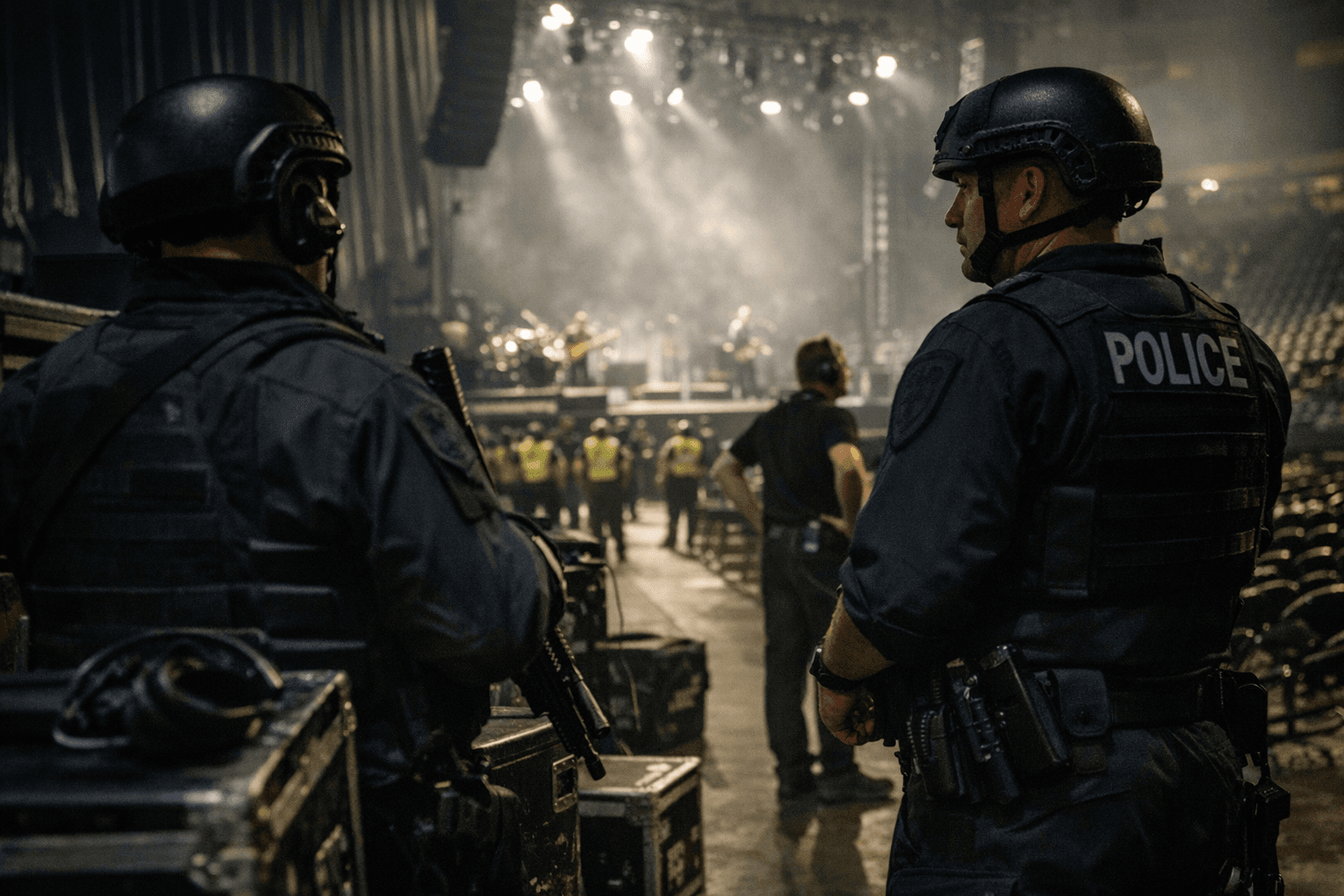
For Nassau Coliseum, the issue is not theoretical. The arena reopened after renovation on April 5, 2017, and can hold roughly 14,500 to 16,000 people for concerts, making security, traffic control and overtime costs a major line item for BSE Global, which operates the venue. If a promoter presses for lower security fees, the financial burden can shift to the operator, local government or ticket buyers.
New York Attorney General Letitia James and other state attorneys general have framed the conduct as harmful to fans and venues. Live Nation, meanwhile, has said it is a competitive business that provides valuable services and has disputed the monopoly allegations. But the documents and trial testimony point to a simple reality Long Island knows well: when the biggest promoter can threaten to take the music elsewhere, the fight over safety costs becomes part of the price of getting a show.
This article was produced by Prism’s automated news system from verified source data, official records, and press releases, then run through automated quality and moderation checks before publishing. The system is built and supervised by the people who set the standards it runs under. Read our full AI policy.
Did this article answer your question?