Long Island Coasts Face Flooding, Pollution, and Aging Infrastructure Threats
Suffolk County's Proposition 2 will funnel $6B over 30 years into clean water as flooding and nitrogen pollution batter Long Island's bays.

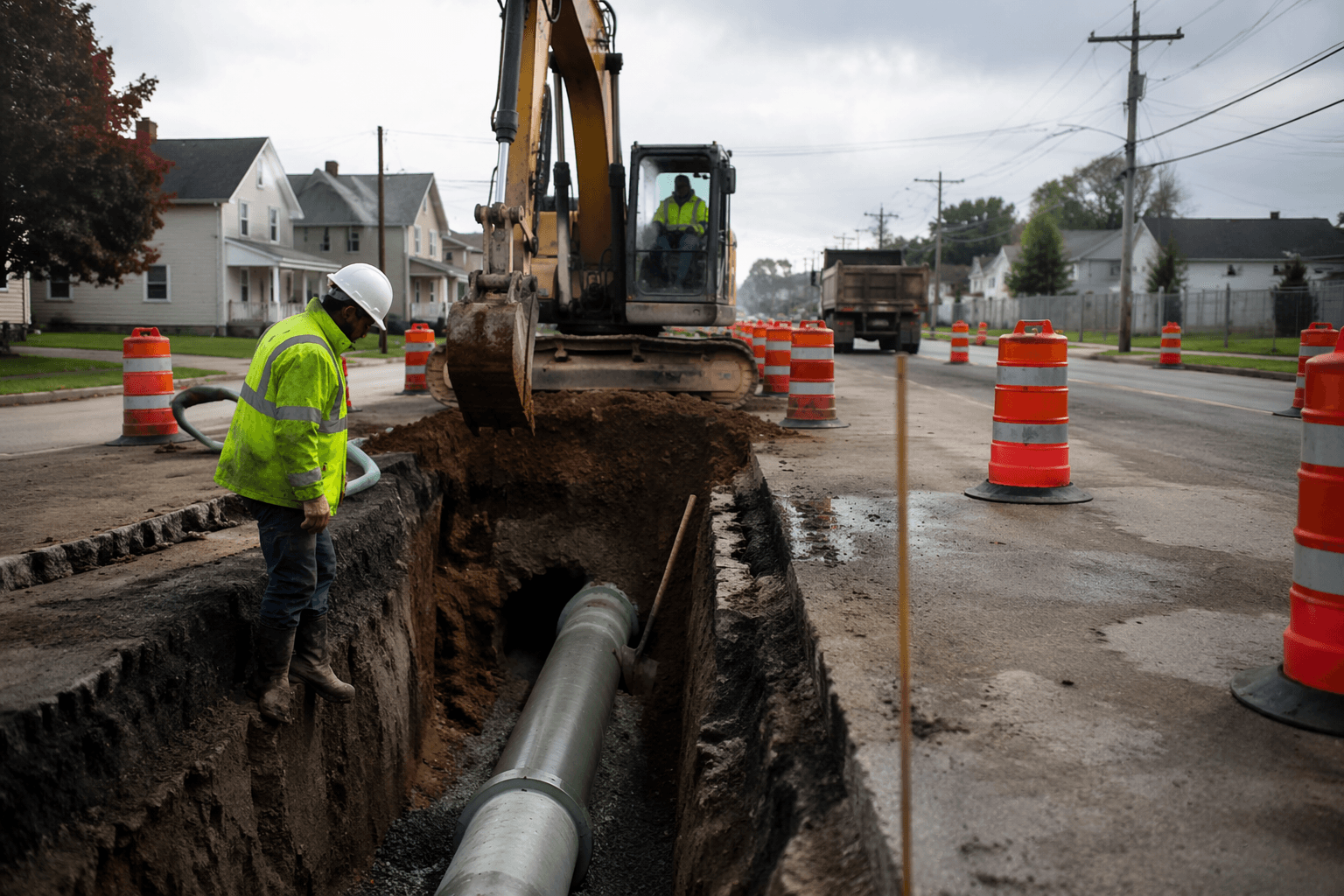
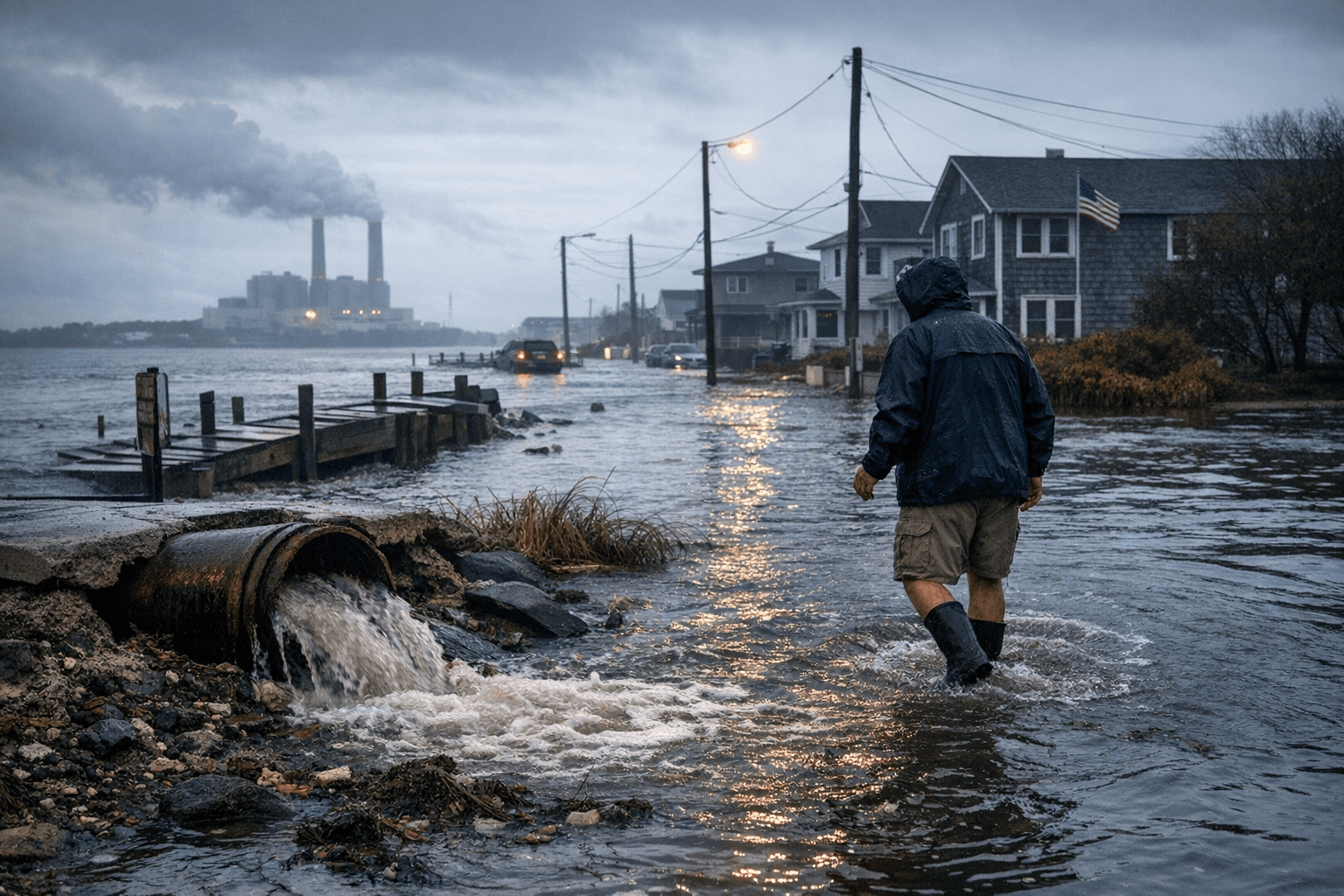
Flooding streets, polluted bays and wastewater pipes unequipped for a warming climate are reshaping daily life along Nassau and Suffolk counties' shorelines, according to a regional assessment published this week. From the barrier island neighborhoods of Long Beach and Island Park to the waterways of the Great South Bay and Hempstead Harbor, the convergence of rising water, nitrogen-laden runoff and deteriorating infrastructure is accelerating faster than existing systems can absorb.
Scientists and planners say climate change, development patterns and aging infrastructure are not separate problems but a single compounding threat. Nitrogen pollution is feeding toxic algal blooms across Long Island's bays, and those blooms are intensifying as the climate warms. Meanwhile, rising sea levels and more frequent extreme weather events are straining wastewater systems built for a different era. Every drop of drinking water that flows from taps in Nassau and Suffolk counties originates in groundwater aquifers, making that underground supply the region's only buffer against contamination.
The political response came in November 2024, when Suffolk County residents approved Proposition 2, a non-partisan ballot measure that will secure $4 billion over 30 years to modernize wastewater infrastructure and reduce nitrogen pollution, alongside $2 billion to protect drinking water through conservation. Environmental advocates described it as "a turning point in the decades-long effort to restore the region's beaches, bays and harbors."
The policy victory follows years of incremental, ground-level work. Along the North Shore, environmental advocates say Hempstead Harbor has improved significantly over recent decades, though runoff, septic systems and aging infrastructure continue to stress the waterway. The harbor connects to Glen Cove Creek and several tributaries, functioning simultaneously as an ecological system and a drainage outlet for the surrounding watershed. Michelle Lapinel McAllister, programs director for the Coalition to Save Hempstead Harbor, credited the organization's surveillance work as foundational. "We have a long-term water monitoring program, which is really the backbone of what we do," she said. "We've had consistent and uninterrupted monitoring since 1992."
On the South Shore, Dennis Siry, an Amityville Creek advocate and former mayor of Amityville, has released oysters into the Great South Bay, aiding the growth of their population. Hard clam populations in the bay are rising and once-depleted fish stocks are showing signs of recovery, though environmental groups caution the gains remain fragile. The risk of fish kills and harmful algal blooms, including brown tides, has declined as water quality improves, but nitrogen loading continues to threaten those advances.
Volunteer organizations are filling gaps that policy and infrastructure have not yet closed. Save the Great South Bay's Creek Defender initiative organizes cleanups and waterway patrols throughout the region, drawing on residents to monitor conditions and remove debris. In Glen Cove, neighbors Stephen and Ethan Melbinger, Larry Hoffmann and Alfredo Martinez took matters into their own hands in 2024, redirecting stormwater at the corner of Chestnut Street and Woolsey Avenue to reduce runoff entering local waterways.
Environmental experts point to fertilizer reduction as one concrete action residents can take to limit nitrogen runoff into the aquifers and bays that define life on Long Island's coasts. With $6 billion in Proposition 2 funding beginning its 30-year rollout, the infrastructure question now turns from whether Suffolk County will act to how fast the work can be done before the water rises further.
This article was produced by Prism’s automated news system from verified source data, official records, and press releases, then run through automated quality and moderation checks before publishing. The system is built and supervised by the people who set the standards it runs under. Read our full AI policy.
Did this article answer your question?