Mount Sinai Father Files $100M Civil Rights Suit Against Suffolk Police
A Mount Sinai father filed a $100 million civil rights suit alleging Suffolk Police failed to properly search for his son, raising questions about police responses and care for those with mental illness.

A Mount Sinai father filed a handwritten civil rights lawsuit in Suffolk County Supreme Court on January 16 seeking $100 million, alleging Suffolk County Police failed to adequately search for his 23-year-old son after the younger man ran into the woods last October. The complaint says officers did not actively investigate and instead implied the missing man had left to use drugs, and that the failure to search reflected discriminatory bias tied to the son’s mental illness.
The complaint says the missing man, identified as 23-year-old Casey Mendelsohn, was found dead on October 22 by a deer hunter roughly a week after he was reported missing. Barry Mendelsohn asserts in the filing that a more robust search by police could have changed the outcome. The suit cites violations of New York civil rights statutes and the Equal Protection Clause of the U.S. Constitution.
Suffolk County Police declined to comment because of the pending litigation. The filing being handwritten and the $100 million damages demand underscore the depth of grievance and the intensity of scrutiny the Mendelsohns are bringing to local law enforcement practices.
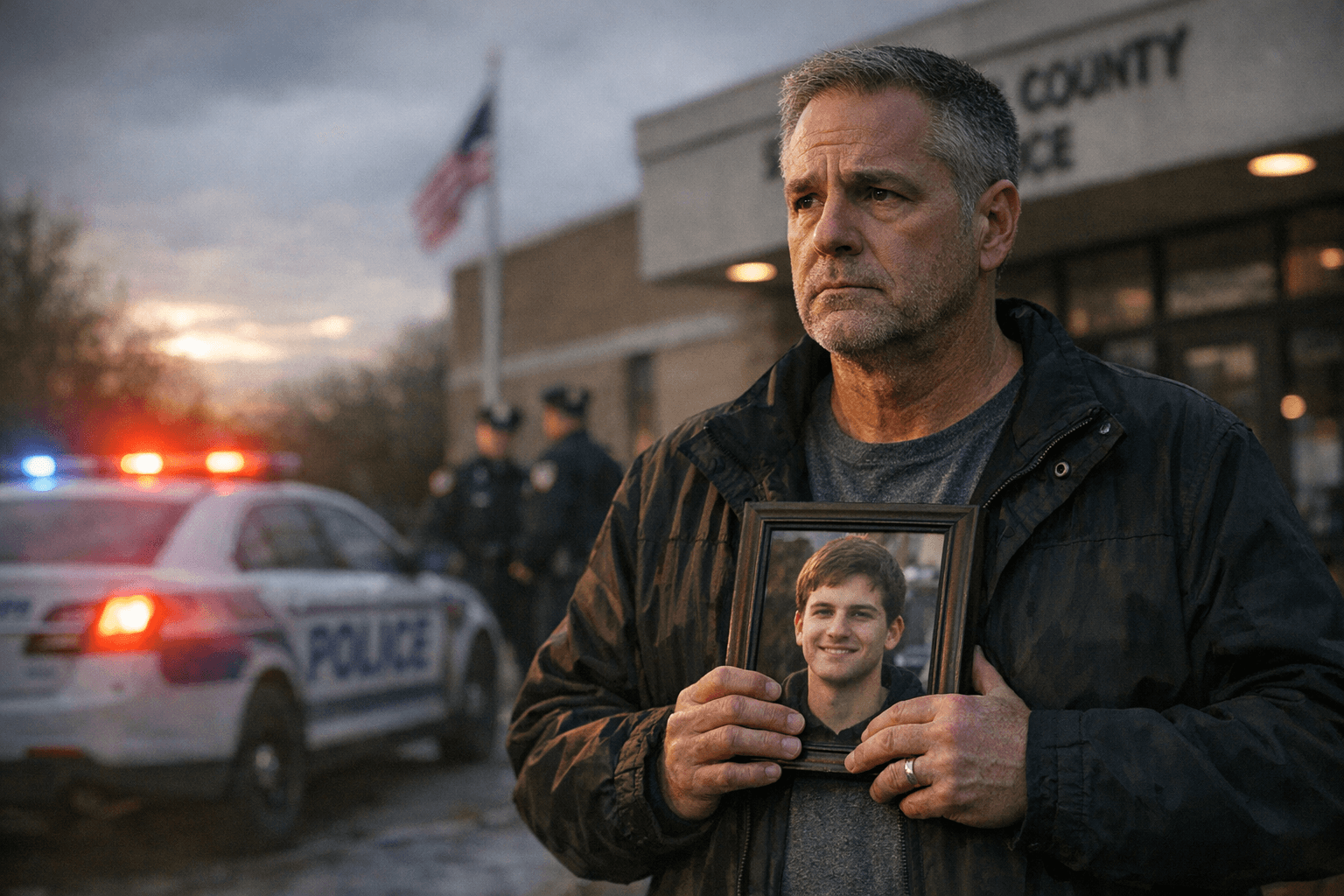
The case centers on two related concerns for Suffolk County residents: how police evaluate and respond to missing-person reports, and how mental illness factors into those assessments. Neighbors in Mount Sinai and across Suffolk County who walk woods and trails, who hunt or who search when family members go missing will be watching whether the lawsuit prompts changes in how the department deploys resources, coordinates searches, and treats cases involving mental-health challenges.
Beyond immediate community trust, the lawsuit raises potential legal and fiscal implications for the county. A civil-rights judgment or settlement, if awarded, could carry significant financial consequences and prompt reviews of training, search protocols, and oversight. The Equal Protection claim likewise places the case within broader debates about equal treatment under law and whether implicit bias influences police decisions in everyday calls for help.
Legal observers and advocates for people with mental illness often point to the need for clearer protocols and stronger ties between police, mental-health services, and family members who know an individual’s risk factors. For Mount Sinai residents who rely on Suffolk County Police and volunteer search teams, the Mendelsohn complaint could galvanize calls for transparent after-action reviews and public reporting on missing-person responses.
The Mendelsohn lawsuit will proceed through Suffolk County Supreme Court, where discovery and motions could bring internal records and decision-making to light. For local families, the case is a reminder to document interactions with police and to press for timely searches when a loved one is missing. How the county responds in policy and in court will shape whether neighbors feel safer relying on local law enforcement or pushed to demand reforms.
Know something we missed? Have a correction or additional information?
Submit a Tip