New York's Tax Burden Pushes Long Islanders to Question Regional Affordability
New York ranks second-worst nationally for tax burden, and a Suffolk County homeowner with a $500,000 house in Smithtown pays up to $12,500 a year before school levies.
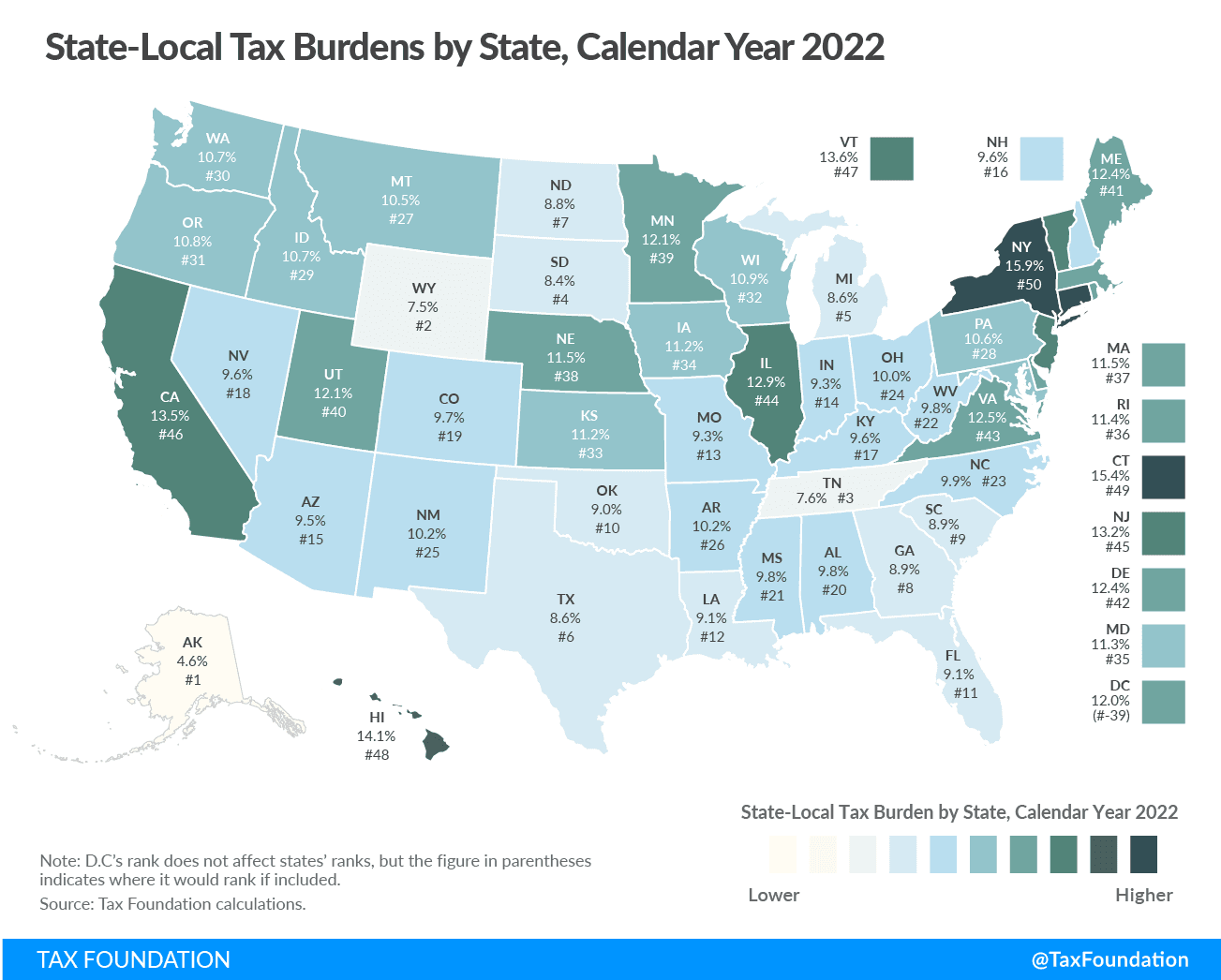
For Dave Kluepfel of Brightwaters, the calculation is no longer bearable. "Everybody I know would like to see taxes lowered," he said, a sentiment now quantified in WalletHub's 2026 Tax Burden by State report, which placed New York 50th among all 50 states and the District of Columbia for state and local tax rates. Only Illinois ranked worse.
Released March 31, the WalletHub study measured the share of personal income residents send to state and local governments through property taxes, individual income taxes, and sales and excise taxes combined. New York's rate of 12.39% of personal income is the second-highest in the nation. WalletHub analyst Chip Lupo noted that "it's easy to be dismayed at tax time when you see just how much of your income you lose."
For a typical Suffolk County homeowner, the dollar figures carry real weight. The county's effective property tax rate runs roughly 1.79%, meaning a $500,000 home carries an annual bill of approximately $8,950 before school district levies and municipal fees. In Smithtown and Riverhead, effective rates reach 2.50%, pushing that same home's annual obligation to around $12,500. The difference between towns is not abstract. It determines whether a household can absorb a car repair, a medical bill, or a child's tuition.
Smithtown residents have been voicing that strain directly. Richie Ellis did not mince words: "Taxes are going up. It's ridiculous. People can't afford anything anymore." Geri Williams, also of Smithtown, connected the pressure to everyday costs beyond the tax bill itself: "Things are expensive. You go to the supermarket, everything is up."
Those concerns emerged against the backdrop of Suffolk County Executive Edward Romaine's $4.3 billion fiscal year 2026 budget, approved by the Legislature last fall, which included a 3.18% property tax increase, just below the state-mandated cap of 3.25%. County Legislature Presiding Officer Kevin McCaffrey called it evidence of "fiscal stability," but for many homeowners, stability at the county level still means annual increases they cannot outpace with wage growth.
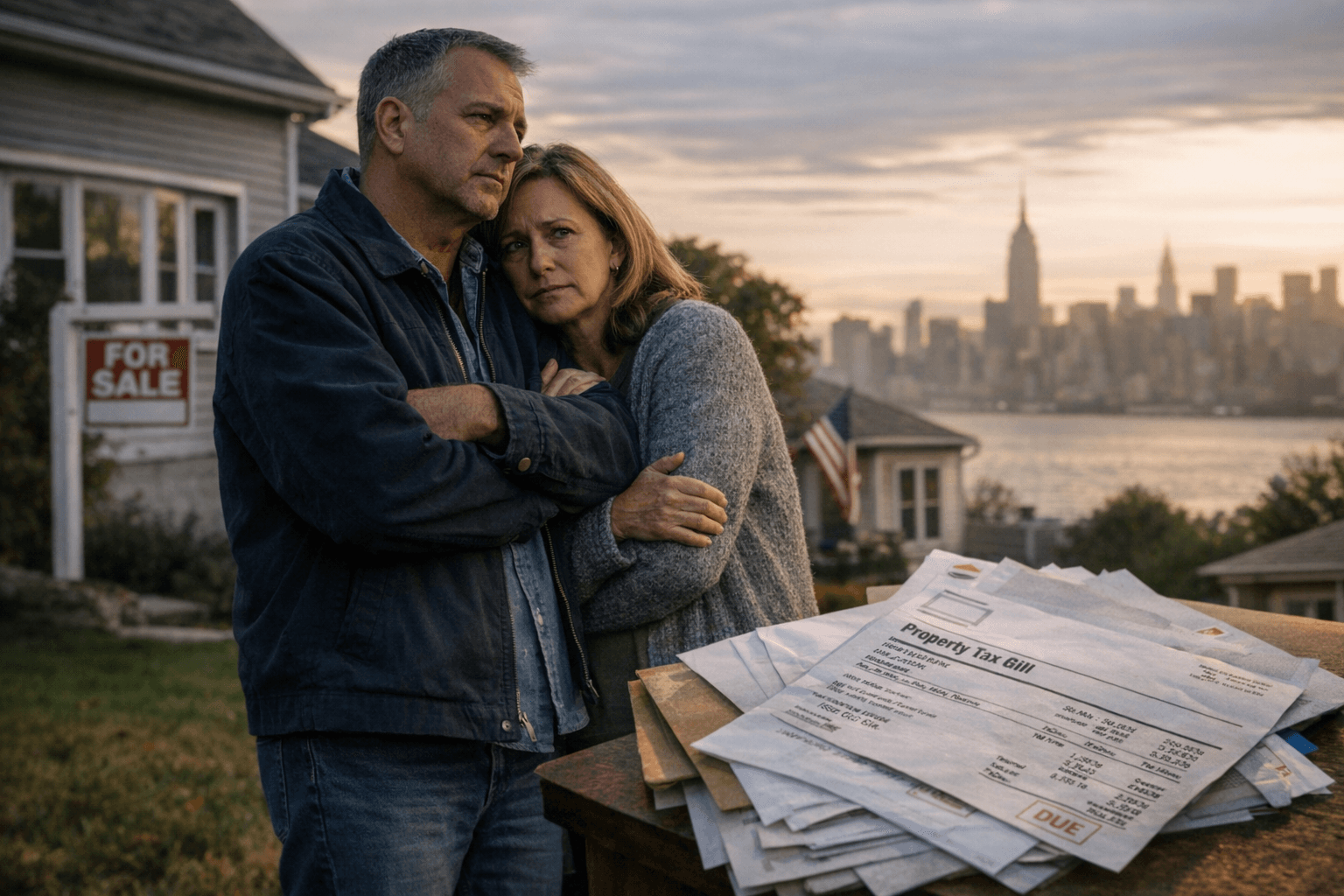
The desperation to manage tax bills has made grievance filings commonplace. A survey by property tax consulting firm Ownwell found 62% of Long Island homeowners have filed a tax grievance, compared to 22% nationally. That three-to-one ratio reflects a widespread belief that assessments routinely overshoot market values, leaving owners to fight for corrections the system should produce automatically.
Renters face a parallel squeeze. Roughly 56% of Long Island renters spend more than 30% of their income on housing, and 64% cannot afford a standard two-bedroom apartment. Among residents ages 20 to 34, 55% live with parents or relatives. Marjorie Perry, board chair of the Long Island Association, was direct at the group's "Long Island's Future" forum at the Garden City Hotel last week: "Property taxes are the biggest burden on Long Island families."
Underlying all of it is a structural imbalance: Long Island sends an estimated $14.8 billion more to Albany each year than it receives back in services and state aid. With the county operating near its legal tax cap and no relief legislation advancing in Albany, Suffolk homeowners entering the 2026-27 assessment cycle have little reason to expect the math to improve.
This article was produced by Prism’s automated news system from verified source data, official records, and press releases, then run through automated quality and moderation checks before publishing. The system is built and supervised by the people who set the standards it runs under. Read our full AI policy.
Did this article answer your question?