North Fork housing squeeze drives young residents to leave for Oregon
A Greenport brother and sister left for Oregon after the North Fork’s housing math stopped working. Their move shows how Suffolk is losing young workers, not just residents.

The decision that says more than one family story
Joey Owens and Amanda Venne grew up in Greenport, then left for Oregon after deciding the North Fork no longer offered a realistic future. Their move turns a private family decision into a regional warning: when young adults raised here cannot see a path to independent living, Suffolk County loses more than two residents. It loses workers, volunteers, and the next generation of parents who would otherwise keep year-round life going.

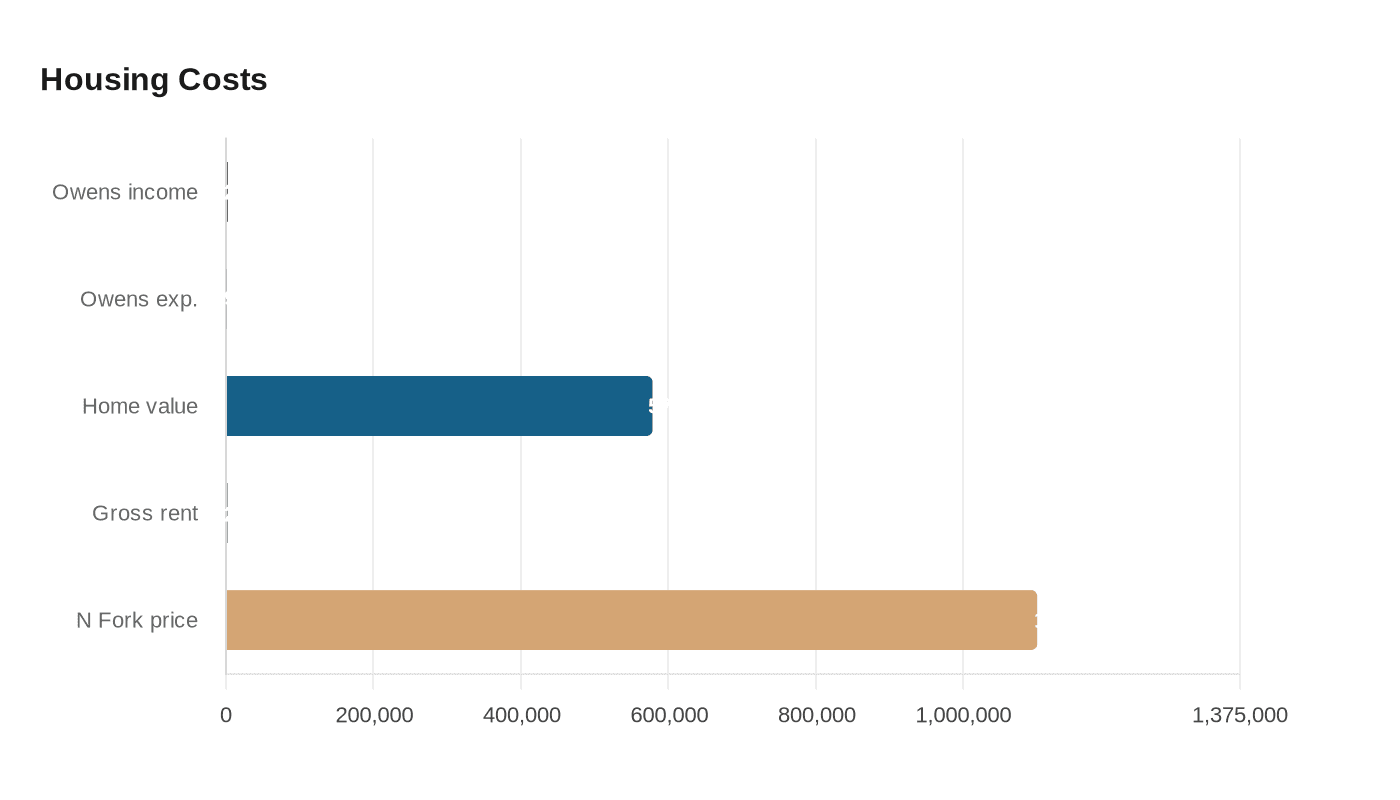
For Owens, the math was brutally clear. He lived with his parents and two younger brothers in a three-bedroom Greenport rental, worked at Southold IGA, and earned about $2,300 a month. Roughly $900 of that went toward household expenses, which left too little to make saving, renting alone, or buying a home feel possible. The problem was not that he had no job. It was that the job could not keep pace with the cost of staying.
Why Oregon looked like the only workable option
The move to Oregon was about affordability, not a change in taste. Data cited in the reporting suggest rents there can be 40% to 50% lower than on Long Island, while overall living costs are about 24% cheaper than New York. That difference is large enough to reshape a life plan. When the gap between wages and housing costs becomes that wide, leaving stops looking like a sacrifice and starts looking like the only rational choice.
Owens said the North Fork had come to feel like a retirement community, with too few people his age around and too few jobs that made staying worthwhile. That is the heart of the brain-drain problem on the East End. Young adults are not necessarily rejecting their hometowns emotionally. They are concluding that the local economy cannot support the kind of adulthood they are trying to build.
What Suffolk County loses when young adults leave
The cost of that exodus reaches far beyond a single household. Suffolk County says the affordable housing problem has reached “crisis proportions,” and that young workers and older residents have left Long Island for more affordable housing elsewhere. That migration thins out the labor pool for local businesses, weakens the volunteer base that supports civic life, and eventually affects school districts, which depend on a stable flow of young families.
The county’s population was estimated at 1,546,090 on July 1, 2025, and 19.0% of residents were age 65 and over, according to U.S. Census Bureau QuickFacts. That age profile matters. When younger adults leave and the population skews older, places like Greenport, Southold and the broader North Fork face a harder time sustaining the mix of ages, incomes and daily routines that make a community feel full year-round. Family continuity frays when adult children cannot afford to live near parents, siblings, or the neighborhoods where they grew up.
The numbers behind the squeeze
Long Island’s housing market remains tightly constrained. Regional Plan Association data say the island’s rental vacancy rate is 4.3%, which means there are fewer available rental homes than in any other suburban area in the New York region. The same report found that 56% of renters pay more than 30% of their income for housing, a level that leaves many households one emergency away from a crisis.
Suffolk County’s own housing data show how steep the pressure has become. Census QuickFacts lists a median owner-occupied home value of $578,400 and a median gross rent of $2,255. On the North Fork, the market is even more punishing. A Suffolk Times real-estate report said the median home price hit a record $1.1 million in the third quarter of 2025, even after sales fell 21% year over year. Against numbers like those, a monthly paycheck from a local service job rarely adds up to a future.
What local and state leaders say they are doing
Officials have acknowledged the problem, even if the market has moved faster than the policy response. Suffolk County says its affordable housing program targets rentals affordable to households at or below 80% of the HUD area median income. The county says it is working with municipalities, nonprofits and developers to add affordable and workforce housing, a signal that local leaders see housing as an economic-development issue as much as a social one.
State leaders have framed the same challenge in broader terms. In March 2023, Gov. Kathy Hochul and Long Island leaders highlighted the Housing Compact, a strategy to build 800,000 new homes over the next decade. Suffolk County Executive Steve Bellone said the housing crisis was the single greatest threat to Long Island’s economic prosperity. The Long Island Regional Economic Development Council has also treated the shortage as a brake on the region’s ability to keep young adults, attract workers and retain talent.
Why the North Fork debate is really about the region’s future
For Greenport and the North Fork, the central question is not whether housing is expensive. It is whether enough homes will be built at prices young residents can actually pay before more of them leave. Regional Plan Association has warned that Long Island faces a shortage of affordable and rental housing, an exodus of young adults, and the housing needs of a growing elderly population. That combination makes every new unit matter, because demand is coming from both ends of the age spectrum at once.
Owens and Venne are only one family, but their move to Oregon captures a much larger pattern. The North Fork is losing people not because they do not love it, but because they can no longer afford the life they want there. Unless wages, rentals and home prices move closer together, the region risks becoming more expensive, older and thinner in the very places that once supplied its young labor force and its future.
This article was produced by Prism’s automated news system from verified source data, official records, and press releases, then run through automated quality and moderation checks before publishing. The system is built and supervised by the people who set the standards it runs under. Read our full AI policy.
Did this article answer your question?