North Fork residents press Southold Town Board to reject ICE presence
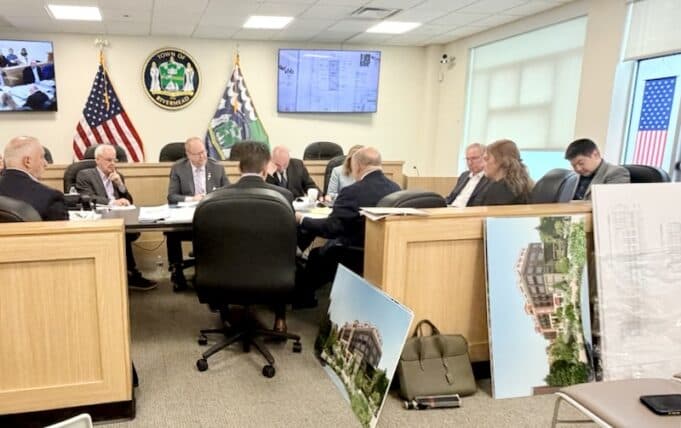
Dozens of North Fork residents packed Southold Town Hall on Jan. 27 to press the Southold Town Board to adopt a formal stance rejecting ICE operations, citing national incidents and local reports.

Dozens of North Fork residents packed Southold Town Hall on Jan. 27 to urge the Southold Town Board to adopt a formal stance rejecting Immigration and Customs Enforcement operations on the North Fork. Speakers addressed national incidents and what they described as local reports of ICE activity, saying those events had stirred fears about enforcement actions and potential impacts on families and workers in the area.
The turnout filled the public meeting and brought an energized crowd to the dais, with attendees asking local leaders to declare opposition to federal immigration-enforcement actions on North Fork communities. Residents framed their concerns in civic and humanitarian terms, linking broader national controversies over immigration enforcement to local anxieties about farmworkers, seasonal labor, and mixed-status households that are woven into the North Fork economy and social life.
No formal action by the Town Board was recorded in the material available to reporters. Town officials did not present or adopt a resolution at the meeting, and board reaction to the public appeals was not documented in the fragments provided. Organizers and participants signaled continuing activism: archived items referenced related demonstrations under the headline "ICE OUT" protests slated for North Fork and metadata carried a Change.org tag, suggesting a petition or coordinated campaign is part of the community response.
Municipal law and the division of authority weigh heavily on the options available to Southold Town leaders. Immigration enforcement is a federal responsibility, which limits a town board’s ability to prevent ICE operations directly. Local governments nationwide have used symbolic resolutions, public statements, or policies governing municipal cooperation with federal agencies to register opposition or to clarify municipal priorities. Southold residents at the meeting pressed for a clear stance that would reflect community values even if it could not compel federal agencies to change operations.
For North Fork residents, the stakes are practical as well as symbolic. Attendees described fear of enforcement actions and alleged local impacts, and community advocates say uncertainty can undermine trust in local institutions and strain relationships between immigrant communities and municipal services. The meeting underscored a broader tension: localities seeking to protect vulnerable residents while confronting the limits of municipal power over federal law enforcement.
What comes next is likely to shape how vocal the issue remains locally. The Town Board can formally place an item on a future agenda, produce written minutes or recordings that clarify what was said on Jan. 27, or solicit legal counsel about possible nonbinding measures. Residents who turned out on Jan. 27 will be watching for any official response, and further demonstrations or petition activity appear likely as activists press for a recorded position from Southold leadership.
Know something we missed? Have a correction or additional information?
Submit a Tip