Port Jefferson schools weigh debt plan to cover $11.4 million settlement
Port Jefferson schools are preparing to finance the remaining $11.4 million of a child victims settlement, a debt that could shape taxes, reserves and programs for years.

Port Jefferson schools are weighing how to carry an $11.4 million legal obligation without squeezing classrooms, athletics and other student services that families expect. The district is trying to pay off the remaining balance of a $16.5 million Child Victims Act settlement in a way that does not trigger immediate program cuts or an abrupt tax burden on local homeowners.
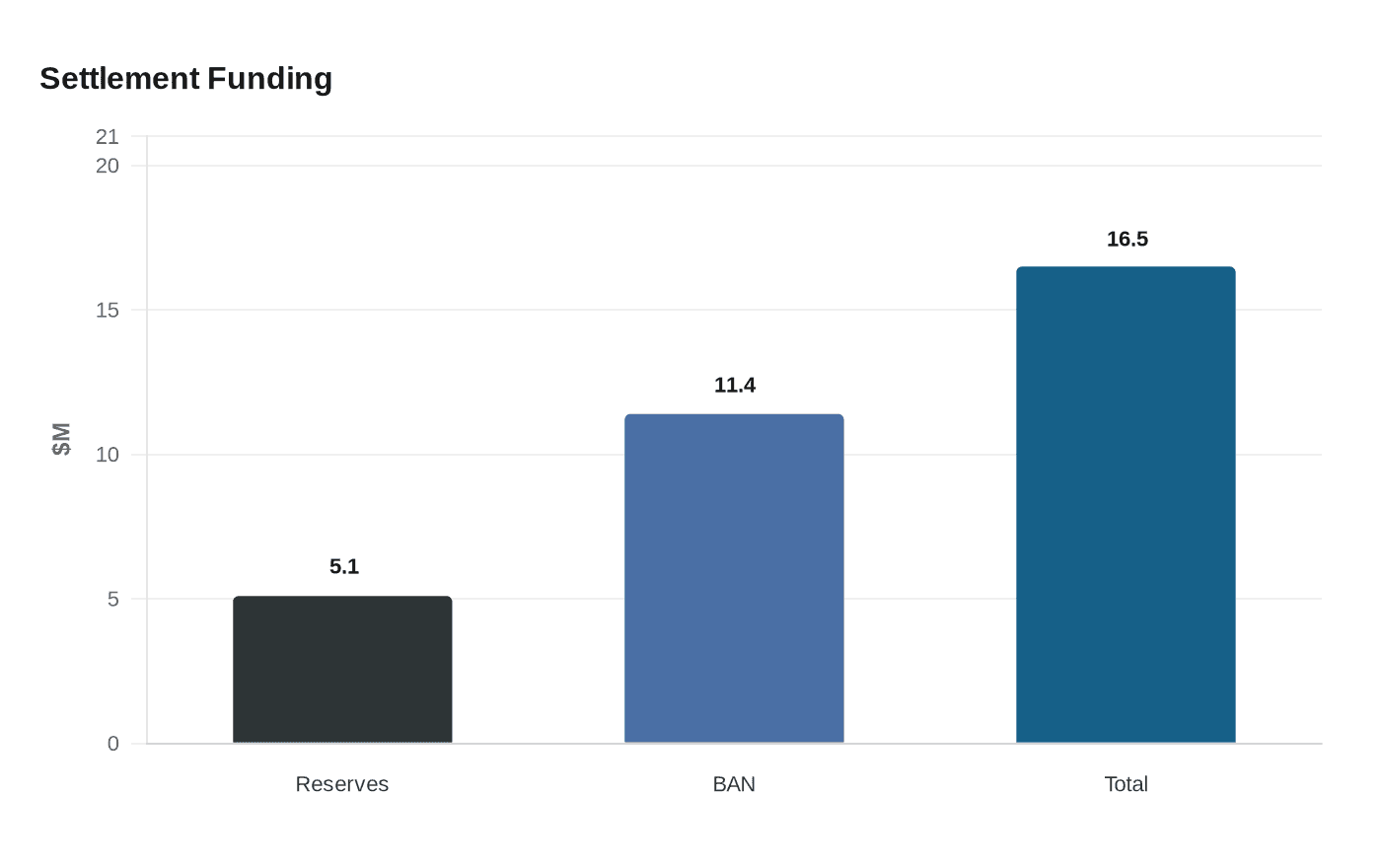
The Port Jefferson School District settled all seven CVA-related lawsuits in November 2024 for $16.5 million. Officials used $5.1 million from unassigned reserves and covered the rest with an $11.4 million one-year Bond Anticipation Note for the 2024-25 school year. That first note came due in late January 2026, and the district later issued a new BAN that will mature in January 2027.
That short-term borrowing is already carrying a cost. The district expects about $650,000 in payments during the 2026-27 school year on the new BAN, money that will have to fit inside the district’s 2% tax cap. Port Jefferson has said it plans to convert the debt into a long-term bond in January 2027 and expects to issue a 28-year bond, taking advantage of state legislation signed Nov. 21, 2025, that authorizes up to 30-year bonds for certain Child Victims Act judgments and settlements.
Superintendent Jessica Schmettan has said school districts cannot declare bankruptcy to escape these liabilities, and Port Jefferson has said it could not secure insurance coverage for the claims. That leaves the district with few easy options: extend the borrowing, stretch the payments over decades, or find offsetting savings elsewhere in the budget. The financial strain is not abstract. Every dollar devoted to the settlement is a dollar that cannot be spent on staffing, course offerings, extracurriculars or reserve rebuilding.
Schmettan has also pointed to broader statewide fixes, including reimbursement to districts, a higher tax cap, a CVA superfund, access to the New York Liquidation Bureau and more flexibility to use reserve funds for settlement payments. Those ideas reflect the same problem now facing Port Jefferson: survivors must be compensated, but the district still has to keep operating for current students while protecting taxpayers from open-ended promises.
For Port Jefferson families, the next decision is not just about accounting. It will determine how much debt the district carries, how much room it has to borrow in the future and how much pressure eventually lands on the tax levy if state relief does not materialize.
This article was produced by Prism’s automated news system from verified source data, official records, and press releases, then run through automated quality and moderation checks before publishing. The system is built and supervised by the people who set the standards it runs under. Read our full AI policy.
Did this article answer your question?