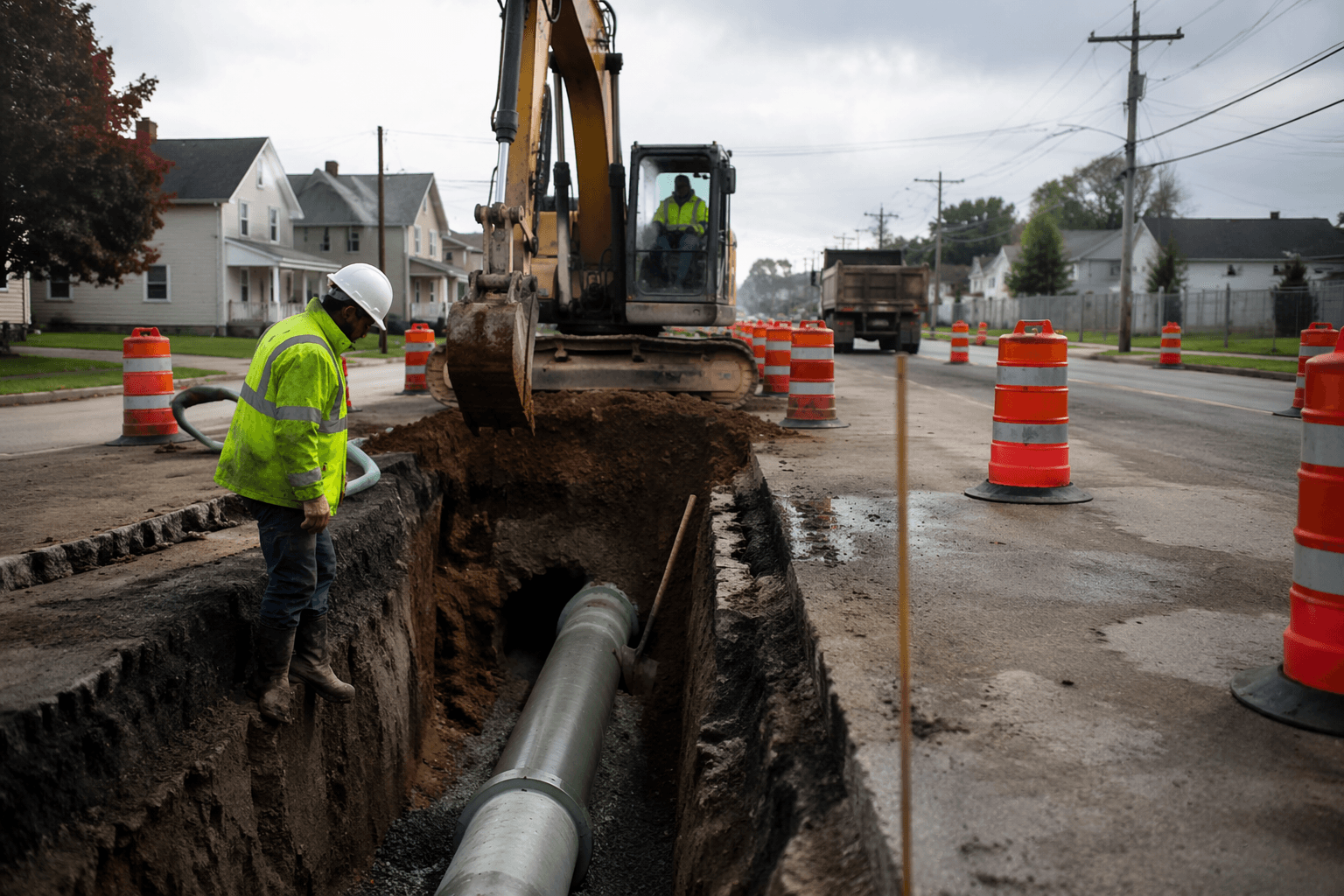
Riverhead board approves $1.2 million in sewer project cost increases
Riverhead approved $1.19 million more for sewer work, with the biggest hit tied to a delayed biosolids project meant to cut sludge-hauling costs.
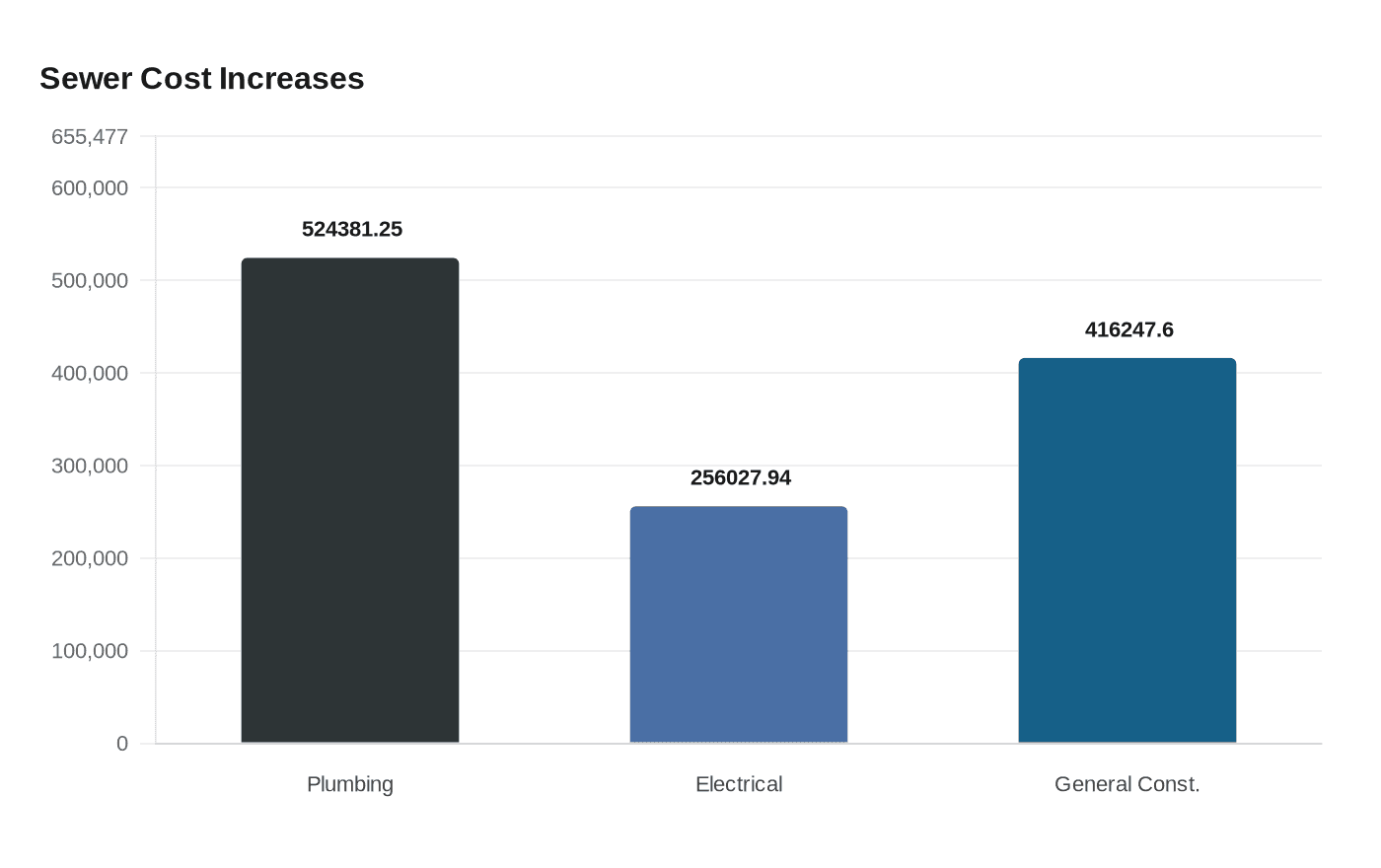
Riverhead taxpayers are absorbing another $1.19 million in sewer-project increases, a bill driven by three change orders on the Riverhead Sewer District’s biosolids upgrade and pushed higher by a long gap between bidding and the start of work. The Town Board approved $524,381.25 for plumbing, $256,027.94 for electrical work and $416,247.60 for general construction, lifting those contracts to $7,487,706.36, $1,597,610.94 and $7,320,282.70, respectively.
Town documents blamed the higher costs on labor, equipment and material increases that built up after March 2024 bid submissions sat until a November 2025 notice to proceed. That delay matters because the project is supposed to help Riverhead move away from a sludge-disposal system that, by town estimates, costs more than $500,000 a year to haul to a landfill in Pennsylvania. The project also received a boost in February 2026, when town officials said it was getting $2 million in grants and $16 million in interest-free financing.
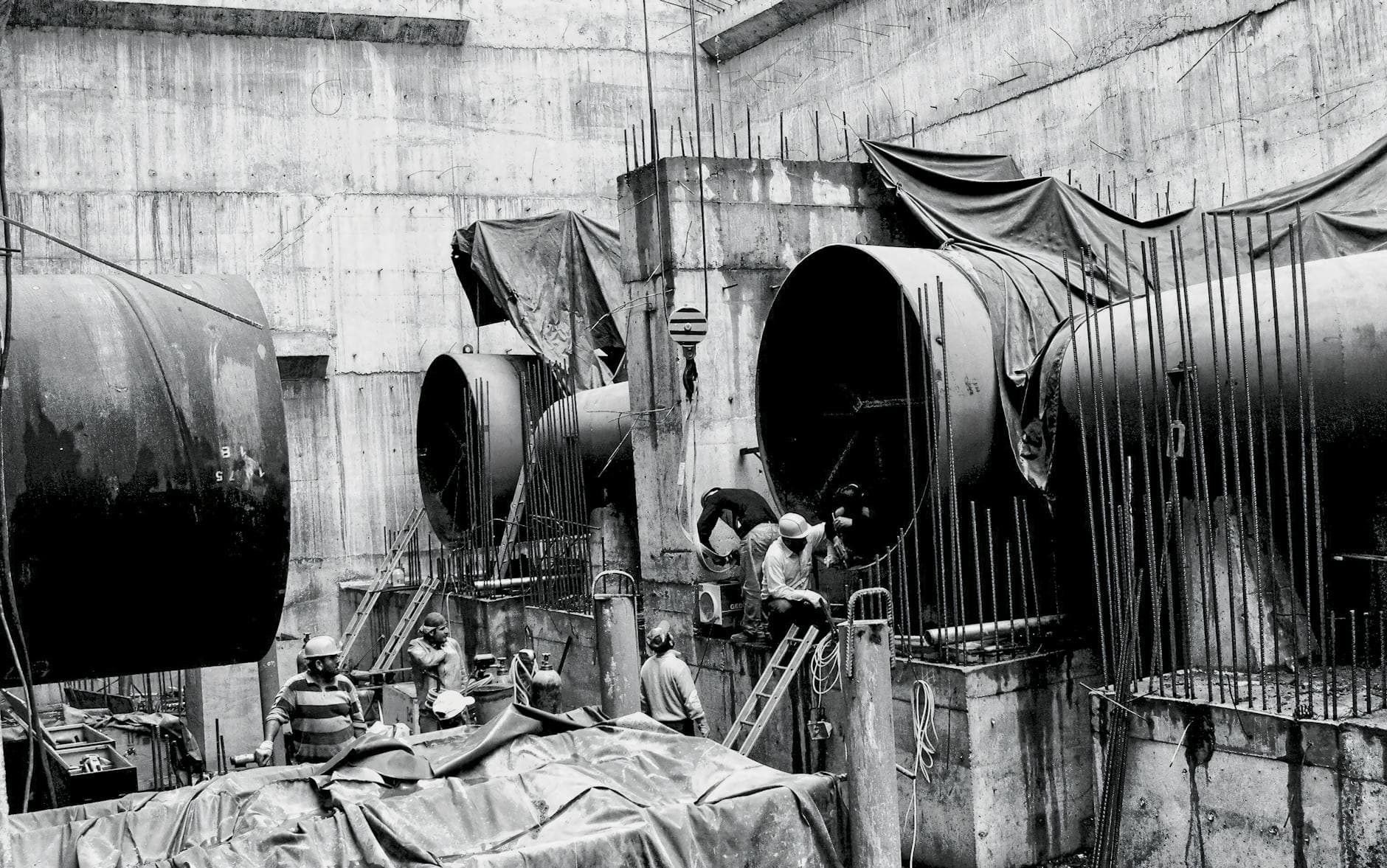
The biosolids work has been on the town’s books for more than a year. Riverhead authorized bidding in 2024 for “CLASS A BIOSOLIDS IMPROVEMENTS,” and four bids were opened on March 7, 2024. The larger effort is meant to convert the plant’s sludge-handling process to Class A biosolids, a change that could reduce disposal costs and improve the long-term economics of the sewer district. The board later ratified publication of a public hearing notice tied to an increase and improvement of Sewer District facilities, another step in the same project.
The sewer vote was only one part of the night’s agenda at Riverhead Town Hall, 4 West Second Street. Board members also adopted a revised special-event fee schedule that will charge $375 for events with 100 to 1,000 attendees, $700 for 1,001 to 4,000 attendees and $3,500 for events above 4,000 people. Not-for-profit groups will get a 50% reduction, while late filings will face a $150-a-day fee and certain amendments will cost $150. Riverhead already requires site maps, hold-harmless agreements, public-safety plans and proof of nonprofit status, with filing deadlines set at 60, 90 or 180 days depending on event size.
The board also unanimously approved an appraisal tied to preservation of part of the Nassau County 4-H Camp property on Sound Avenue. The site covers about 145 acres and has been owned and operated by Nassau County for 101 years. The preservation concept discussed on April 9 could split the property into several pieces, including about 36.13 acres that Riverhead might acquire as open space. Suffolk County Legislator Greg Doroski called it a “once-in-a-lifetime opportunity,” and Peconic Land Trust’s Julie Wesnofske said the camp sits in a large block of protected land and farmland stretching from Sound Avenue to Long Island Sound. Council Member Joann Waski, who has worked on the issue for years, also drew praise during public comment from Calverton civic leader Toqui Terchun, who used the same phrase.
This article was produced by Prism’s automated news system from verified source data, official records, and press releases, then run through automated quality and moderation checks before publishing. The system is built and supervised by the people who set the standards it runs under. Read our full AI policy.
Did this article answer your question?