Riverhead proposes paying off land preservation debt five years early
Riverhead may wipe out its land-preservation debt five years early, using about $7.2 million from the CPF and still keeping about $20 million.
Riverhead is moving to retire its remaining land-preservation debt five years ahead of schedule, a shift that would leave the town with roughly $20 million still sitting in the Community Preservation Fund. Financial Administrator Jeannette DiPaola told the Town Board the fund has enough cash to pay off the debt now, and doing so would save about $660,000 in future interest costs.
The proposal lands far from the fiscal strain Riverhead faced a decade ago. In 2016, town officials warned that the general fund might have to absorb more than $2 million a year in Community Preservation Fund debt service, when the CPF carried more than $46 million in outstanding bonds and was running an average annual deficit of about $2.7 million. CPF revenue had fallen from more than $6 million in 2006 to less than $1.9 million in 2011, forcing officials to seek relief.

That relief came when Gov. Andrew Cuomo signed legislation on April 4, 2016, allowing Riverhead to refinance CPF debt issued between 2002 and 2008 at lower rates. The new law removed statutory hurdles that had blocked refinancing, giving the town room to stretch out payments and avoid a general-fund shock.
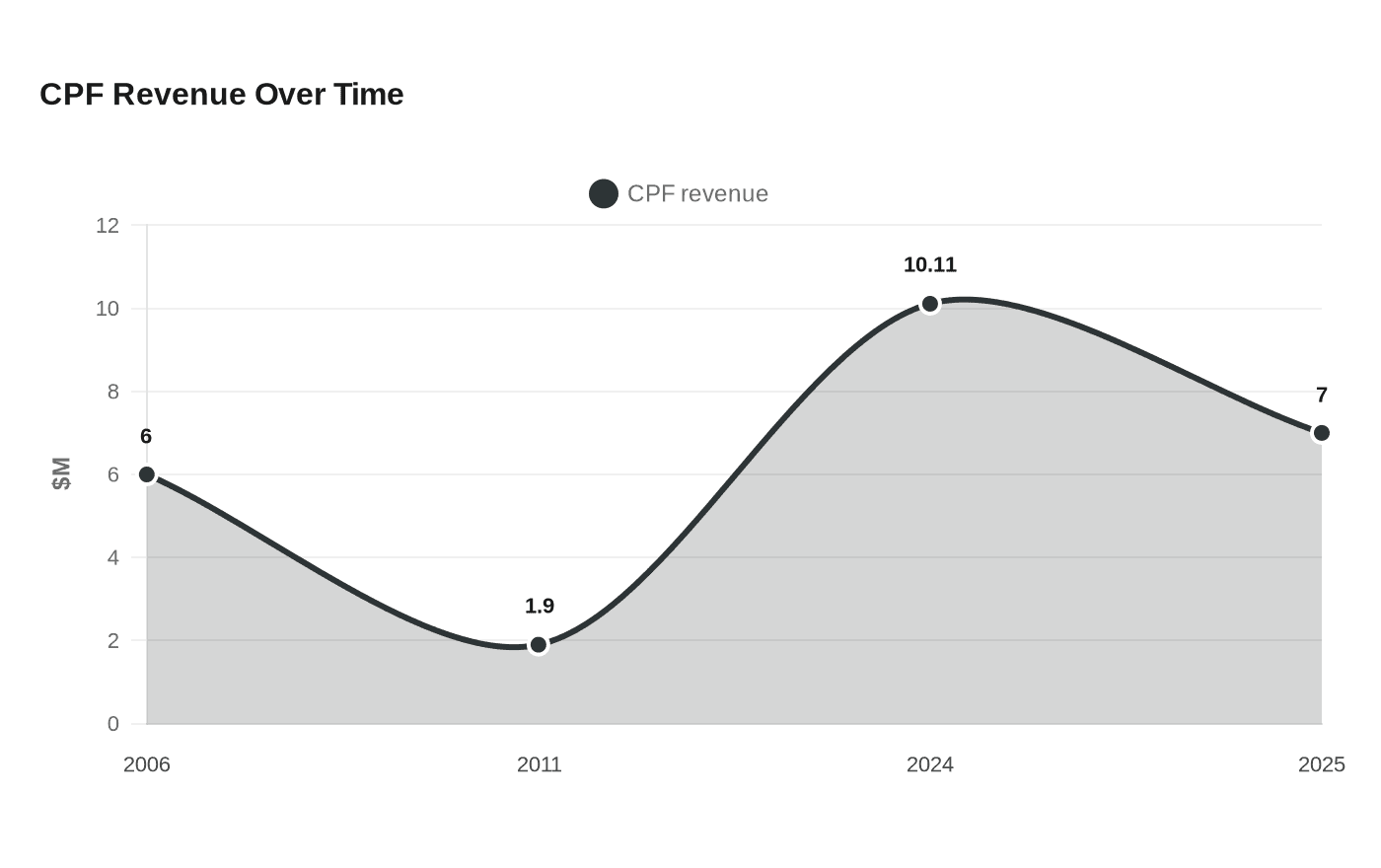
DiPaola said Riverhead collected about $7 million in CPF transfer-tax revenue in 2025, and the fund balance reached about $30.1 million at the end of that year. Using about $7.2 million of that balance would clear the remaining debt while keeping the CPF well stocked for future preservation work. The town had already budgeted about $2.75 million for this year’s debt-service payment on the 2018 bond issue, and the remaining CPF debt was scheduled to mature on Aug. 1 each year from 2026 through 2030.
The Peconic Bay Community Preservation Fund was adopted after public referenda in 1998 and funded in Riverhead mainly by a 2% real estate transfer tax on most property sales. Voters extended the CPF to 2020 in 2002 and to 2030 in 2006, and a later state law pushed the program through 2050 while allowing up to 20% of revenues to go toward water-quality projects.
The CPF brought in $10.11 million in 2024 and ended that year with a $25.6 million restricted balance, while sending $3.19 million to the debt-service fund. A 2024 audit by the New York State Office of the State Comptroller found procedural problems in how some CPF collections were handled, but said the disbursements and debt-service payments were proper and supported.
This article was produced by Prism’s automated news system from verified source data, official records, and press releases, then run through automated quality and moderation checks before publishing. The system is built and supervised by the people who set the standards it runs under. Read our full AI policy.
Did this article answer your question?