Riverhead, Southampton and Brookhaven Sue State Over Cannabis Zoning Preemption
Three Long Island towns sued the state over cannabis zoning preemption, saying Albany stripped them of local control and risking changes to where shops can open.
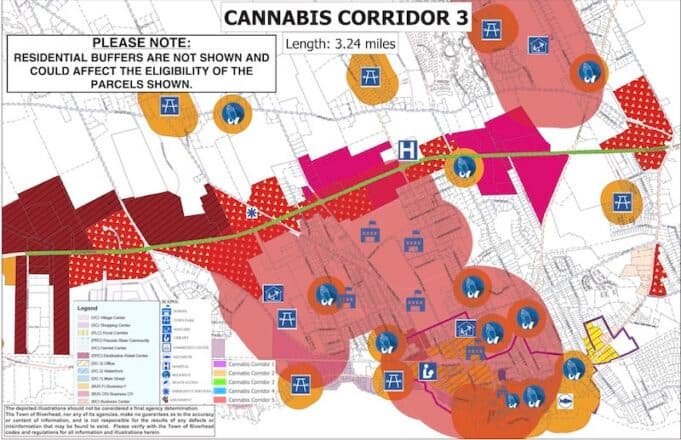
Riverhead, Southampton and the Town of Brookhaven sued the state in New York State Supreme Court in Albany on Feb. 9, 2026, asking a judge to set aside advisory opinions from the state cannabis regulators and to void portions of the state Cannabis Law they say preempt municipal zoning. The towns contend the Cannabis Control Board and the Office of Cannabis Management have limited local “home rule” authority and narrowed towns to only a few narrow regulatory tools.
The complaint challenges advisory opinions that found local rules “unreasonable and impracticable” and, in some descriptions, “unreasonably impracticable.” Riverhead and Southampton were the targets of agency draft advisory opinions numbered 2025-01 and 2025-02. Those opinions singled out Riverhead buffers - including a 1,000-foot school/library/day-care buffer, a 500-foot house-of-worship buffer, a 2,500-foot dispensary-to-dispensary buffer and a 1,000-foot residential buffer - and concluded such spacing and other local controls were not permissible under state law. The advisory pronouncements also struck down municipal devices such as a 90-day municipal opinion requirement and one-year moratoria that regulators said amounted to illegal vetoes over state licensing. Southampton’s Local Law 15-2023 was described by the state regulators as invalid in full, including a Special Exception Use Permit requirement and conditions that limited retail to just two business districts.
The towns say they did not opt out of retail sales before the Dec. 31, 2021 deadline based on state assurances that municipalities could choose where shops would be located. They point to state regulatory changes adopted in September 2023 that they assert contradict those assurances and effectively handcuff local siting authority. The plaintiffs ask the court to void the statutory and regulatory subsections that, in their view, deprive towns of standard land-use powers beyond clocking hours, parking, traffic, odor and historic-district design.
The lawsuit arrives amid competing litigation: the cannabis licensee 1086 OCR LLC sued Riverhead on July 14, 2025 after a Riverhead Zoning Board denial of a variance on June 12, 2025 under the town’s 1,000-foot school buffer; that suit argues Riverhead’s buffer doubles the state 500-foot youth-facility standard and unlawfully rewrites rules for a state-licensed industry. In Southampton a recent rezoning of an East Montauk Highway stretch that barred cannabis sales blocked a licensee’s plan for a former bank in Hampton Bays and prompted litigation.

Industry lawyers hailed the state rulings as victories for licensees and needed limits on municipal obstruction. Vasquez Attorneys summarized a CCB decision as, “A Major Step Forward for New York’s Cannabis Industry,” adding, “I’m proud to share that Vasquez Attorneys at Law, P.C. recently secured a significant victory before the New York State Cannabis Control Board (CCB) on behalf of our client, Mottz Only Authentic New York Style LLC, and the broader community of licensed operators navigating local zoning barriers across the state.” Christian Killoran, attorney for the Brown Budda dispensary owners, called the state’s stance decisive: “The state has now made its position unmistakably clear, Southampton is in New York. You live here. We live here. The decision affirms that state law – not local politics – governs cannabis regulation and that municipalities cannot rewrite the rules to fit their own agendas.”
For Suffolk residents, the litigation could redefine where dispensaries may locate, how town boards write zoning rules, and whether more Long Island towns will opt into retail sales. The court’s decision will shape land-use authority and the pace of cannabis development on the East End; local officials, licensees and neighbors should expect additional filings, potential appeals and careful scrutiny of zoning maps and buffer distances in the months ahead.
This article was produced by Prism’s automated news system from verified source data, official records, and press releases, then run through automated quality and moderation checks before publishing. The system is built and supervised by the people who set the standards it runs under. Read our full AI policy.
Did this article answer your question?