Riverhead Town Hall generator plan could slash utility costs
A 250-kilowatt generator at Riverhead Town Hall could cut monthly utility bills from $18,019.15 to $4,237.74 and keep key offices running in outages.

Riverhead Town Hall could stay open during the next outage if the town moves ahead with a natural-gas-powered generator pitched at a June 4 work session at Town Hall on 4 West Second Street. The proposal would put a 250-kilowatt Mainspring linear generator on the campus and could help keep permits, records and other town services available when storms knock out power.
The pitch went beyond backup electricity. The presentation projected that combined average monthly utility spending for Town Hall and the adjacent M&T Bank building, which the town owns and leases, would drop from about $18,019.15 to about $4,237.74. It also said the single unit would generate 882,570 kilowatt-hours a year and could potentially supply nearby town-controlled accounts, including the town-owned ice rink at Veterans Memorial Park.
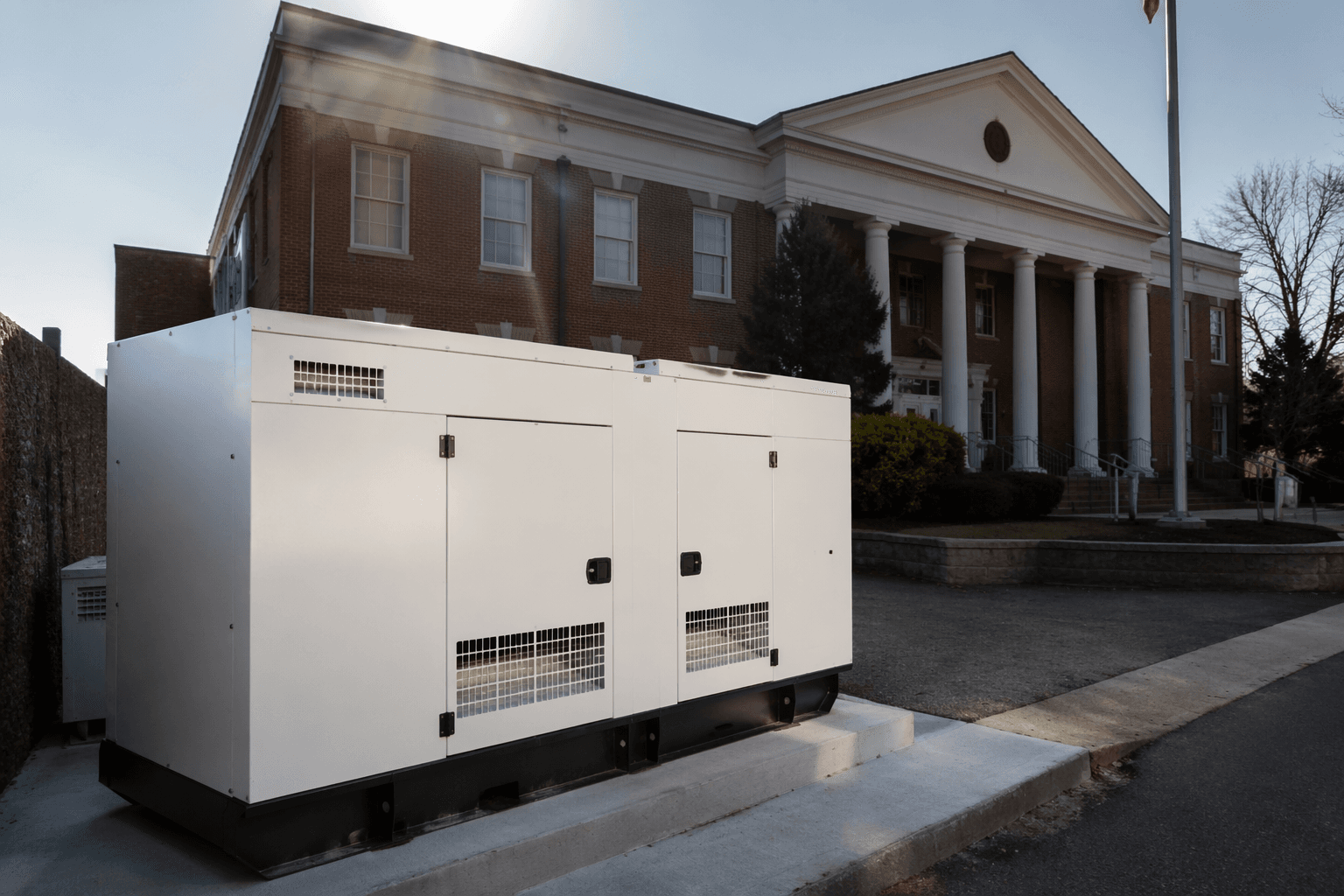
Council Member Ken Rothwell said he had been working with Walt Jordan of dGEN Energy Partners for several months and framed the project as part of the town’s effort to reduce operating costs and pass savings on to taxpayers. Jordan said the unit could run continuously, unlike a standby-only generator that sits idle until an emergency. That distinction matters for Riverhead, where a generator would not just be about keeping the lights on for a few hours, but about hardening local government operations before the next severe weather event.

The technology itself comes with its own set of questions. Mainspring says its linear generator is fuel-flexible, fully dispatchable, uses no water and produces near-zero NOx. The company says the system directly converts motion into electricity using two moving parts, and that it can run on natural gas, renewable natural gas, biogas, propane and hydrogen. That makes the proposal part resilience project, part energy policy experiment and part emissions test for a town trying to weigh cleaner onsite power against the realities of cost and reliability.

The town’s procurement director said the idea should go through a competitive process before Riverhead makes any commitment. That warning underscored that the issue is not only whether the generator can perform, but whether the town should buy it and under what rules. Riverhead’s own records show a sealed-bid notice for generator maintenance was opened on March 5, 2026, a reminder that any new power plan will also bring upkeep, contracting and long-term operating costs that officials will have to defend before taxpayers.
This article was produced by Prism’s automated news system from verified source data, official records, and press releases, then run through automated quality and moderation checks before publishing. The system is built and supervised by the people who set the standards it runs under. Read our full AI policy.
Know something we missed? Have a correction or additional information?
Submit a Tip