Seven Suffolk officers resign after misconduct, keep pensions and pay
Seven Suffolk officers resigned after admitting misconduct, but kept their pensions and pay. The case exposes a discipline system critics say rarely delivers real consequences.
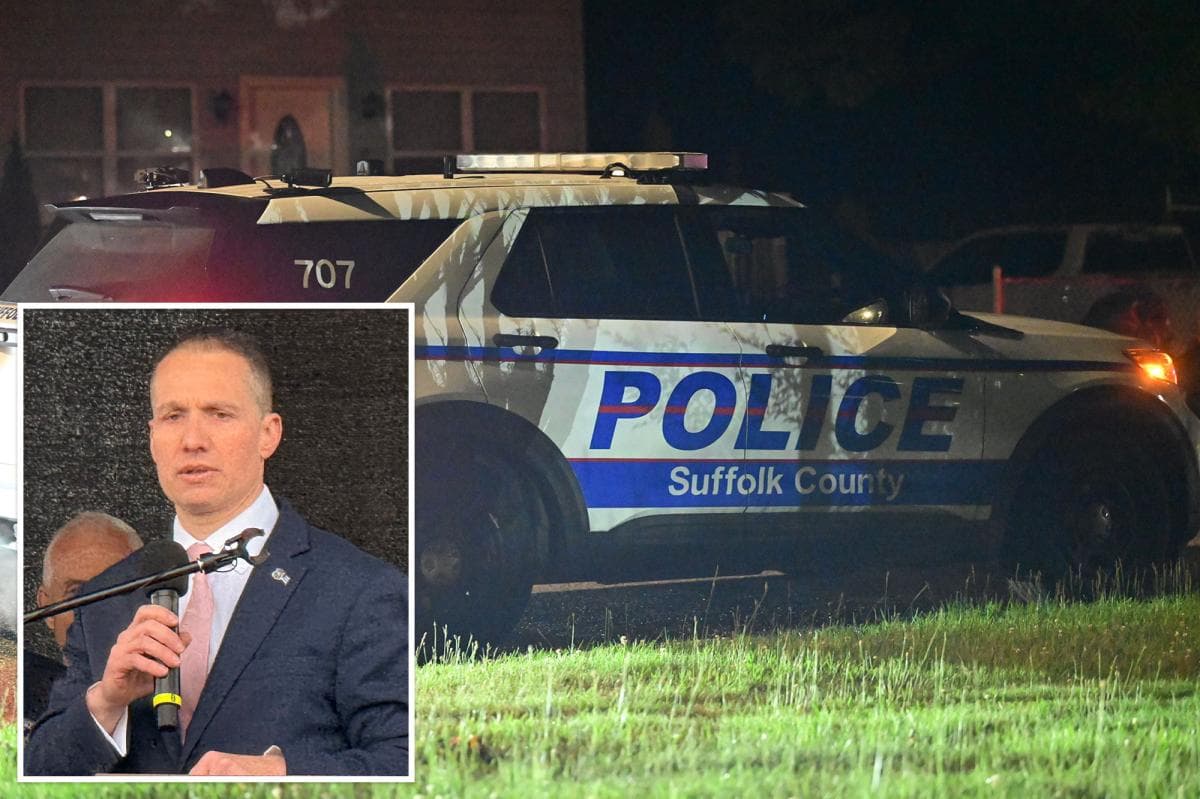
Seven Suffolk County police officers admitted misconduct, resigned and still kept their taxpayer-funded pensions, a result that put the county’s discipline system under fresh scrutiny. In some cases, officers remained on the payroll long enough to keep earning as much as $200,000 a year before they left.
The outcome shows how much protection public employees can retain under New York pension rules, even after misconduct admissions. In Suffolk, that has meant separation from the department without the kind of financial penalty many residents would expect when an officer’s conduct has already drawn internal discipline.

The county’s broader record helps explain why the result has landed hard. Internal affairs cases in Suffolk and Nassau have often ended with no penalty, or only light punishment, even when the underlying cases involved serious injuries or deaths. That pattern has fed long-running criticism that the two counties have some of the weakest police oversight in the state.
Long Island’s two major police departments are among the largest local law enforcement agencies in the United States, which makes the scale of the accountability gap especially significant. Over time, officers on Long Island have been accused of shooting innocent people, falsifying official reports, manipulating DWI arrests to increase overtime pay and lying to investigators.
Records already point to a pattern, not an isolated lapse. More than 200 Long Island officers have been linked to misconduct cases in departmental charges, jury verdicts or court settlements, and Suffolk County Police Department records provided 300 pages of misconduct charges covering 2008 through 2013. The latest pension cases fit into that larger history of discipline that too often stops short of lasting consequences.
The oversight structure also remains limited compared with New York City, where a civilian review board independently reviews complaints of police misconduct. In Suffolk and Nassau, public accountability is narrower, and that gap has become central to the debate over whether officers who admit wrongdoing should be able to leave with full retirement benefits intact.
That fight is part of a wider pension-forfeiture debate in New York and other states, where lawmakers and reformers have pressed for stronger consequences and run into legal protections that shield earned benefits. For Suffolk, the question now is whether the system that allowed seven officers to resign and keep paying pensions can be changed before the next case ends the same way.
This article was produced by Prism’s automated news system from verified source data, official records, and press releases, then run through automated quality and moderation checks before publishing. The system is built and supervised by the people who set the standards it runs under. Read our full AI policy.
Know something we missed? Have a correction or additional information?
Submit a Tip