Snowy winter may fuel Suffolk County tick surge this spring
Emergency departments are seeing the highest tick-bite levels for this time of year since 2017, a sign Suffolk’s snowy winter may have helped fuel a spring surge.
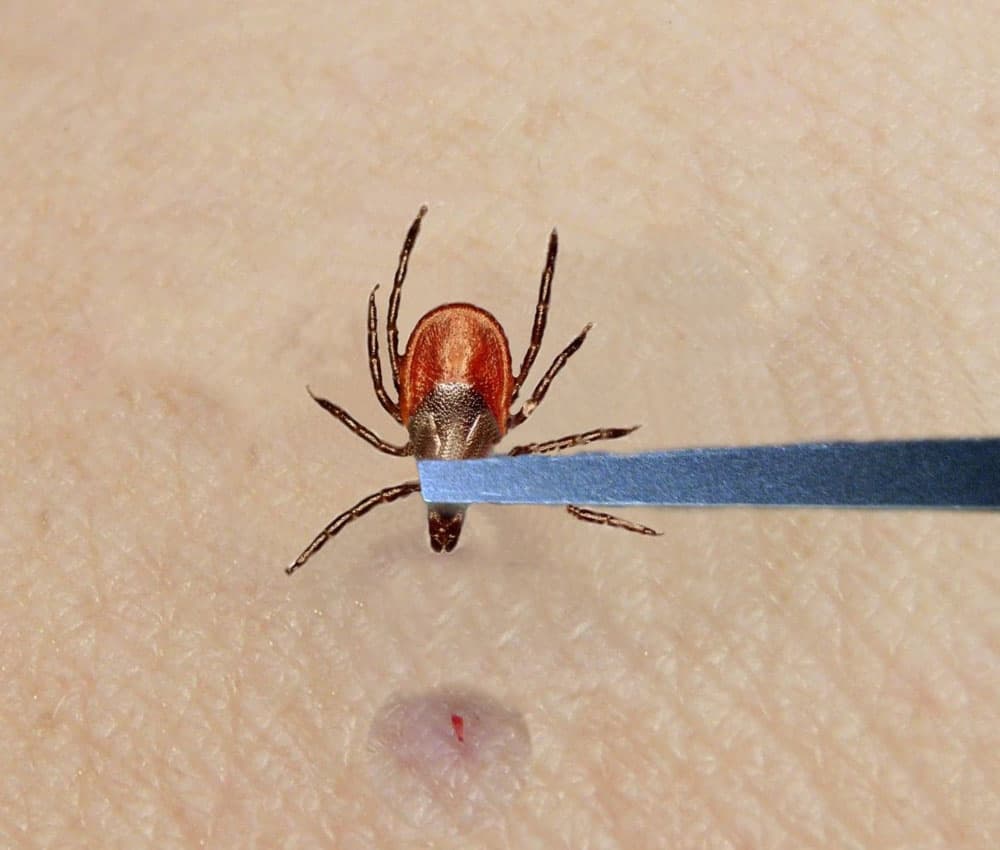
A snowy winter may have left Suffolk County with a dangerous spring problem: emergency departments across the Northeast are seeing tick-bite visits at the highest level for this time of year since 2017. In the most recent week in April, the region recorded 168 tick-bite ER visits per 100,000 emergency department visits, up from 107 in the same week a year earlier, a warning sign for families spending more time in yards, parks and trails from Riverhead to Hampton Bays.
The Centers for Disease Control and Prevention said a cold, snowy winter can actually help some ticks survive by insulating them from harsher conditions. In an April 23 release, the agency said weekly ER rates were unusually high in every region except the South Central United States and warned people ahead of Lyme Disease Awareness Month to protect themselves from tick bites and the diseases they can carry, including Lyme disease, Rocky Mountain spotted fever and alpha-gal syndrome. The agency said tick exposure can happen year-round, but activity is greatest from roughly April through September, and the blacklegged tick is widely distributed across the eastern United States, with adult ticks able to search for hosts whenever winter temperatures are above freezing.

That warning carries extra weight in Suffolk County, where the Department of Health Services has run a Tick Pathogen Surveillance Program since 2016 with the New York State Department of Health. State health officials said New York averaged more than 17,500 new Lyme disease cases a year over the previous three years, and more than 19,000 cases were reported in 2023. Stony Brook Medicine says Suffolk annually reports the highest absolute number of tick-borne diseases in New York, including Lyme disease, ehrlichiosis, anaplasmosis and babesiosis.
The risk now runs through ordinary routines, not just deep woods. Yardwork, youth sports on grassy fields, hikes on Suffolk trails and dog walks near brushy edges can all bring people into tick habitat. Health officials say reducing exposure is the best defense, which means using repellents, staying on cleared paths when possible and checking skin, clothing and pets after time outside. Stony Brook Southampton Hospital’s Regional Tick-Borne Disease Resource Center treats adults and children concerned about bites and tick-borne illness, and Stony Brook Medicine says some patients may benefit from antibiotic prophylaxis after a bite under Infectious Diseases Society of America guidance.
The broader pattern is long-running. CDC Lyme disease maps show the range of reported cases has expanded sharply since 1995, and Suffolk’s own public health system has built around that reality through vector control, surveillance and the Tick Control Advisory Committee. Stony Brook is also scheduled to host a free symposium on tick-borne diseases on May 27, a sign that a harsh winter can still end with a very real spring public-health cost.
This article was produced by Prism’s automated news system from verified source data, official records, and press releases, then run through automated quality and moderation checks before publishing. The system is built and supervised by the people who set the standards it runs under. Read our full AI policy.
Did this article answer your question?