Southold eases zoning rules for accessory apartments, expands housing options
Southold loosened accessory-apartment rules, but the new units still face a 750-square-foot cap, two-bedroom limit and year-round-use requirement.
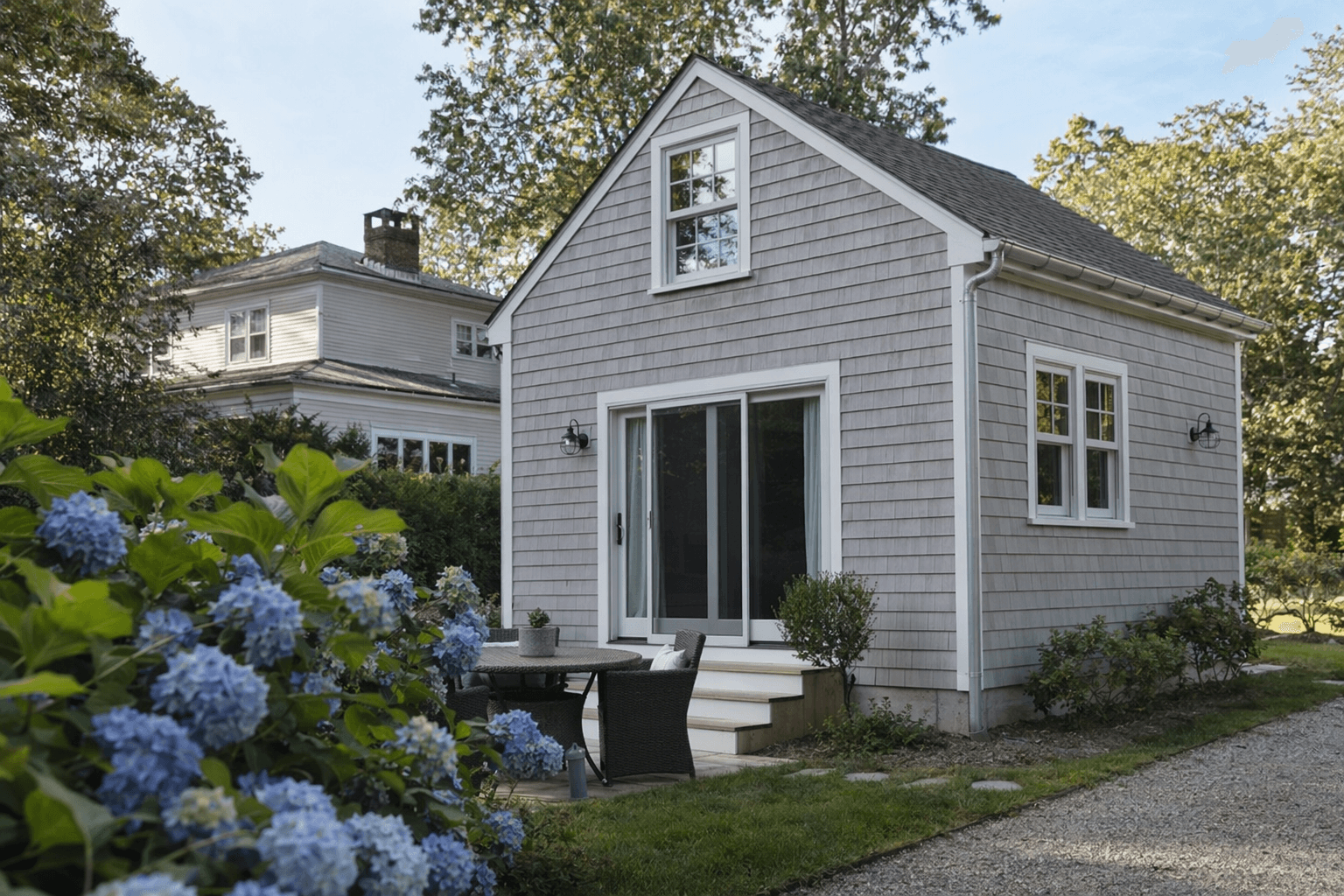
Southold took another step toward easing the East End housing squeeze, but the town kept tight limits that will likely produce only modest new housing.
The Town Board adopted the accessory-apartment amendment on April 21, 2026. The local law, dated March 10, 2026, took effect immediately after filing with the New York Secretary of State. Under the revised code, an accessory apartment may be created in a presently existing one-family dwelling unit or detached accessory structure, and the town removed the old requirement that such units be built only in “presently existing” structures.
That change matters because it gives homeowners more flexibility on lots where a garage, barn or other detached structure could be converted or replaced with a small apartment. Southold Zoning Board Chairwoman Leslie Weisman called the older rule a “simple” fix and said the language dated to 2010, when the goal was to avoid new construction and use space already on the property. “We’ve gone past that,” she said.

The new rules still draw a hard line on scale. Each accessory apartment is limited to two bedrooms, one bathroom and 750 square feet, and it must be used for year-round living. That means the policy is aimed less at big new supply than at incremental infill, the kind of housing that could help workers, retirees and year-round families find a foothold in Southold without changing neighborhood character too quickly.
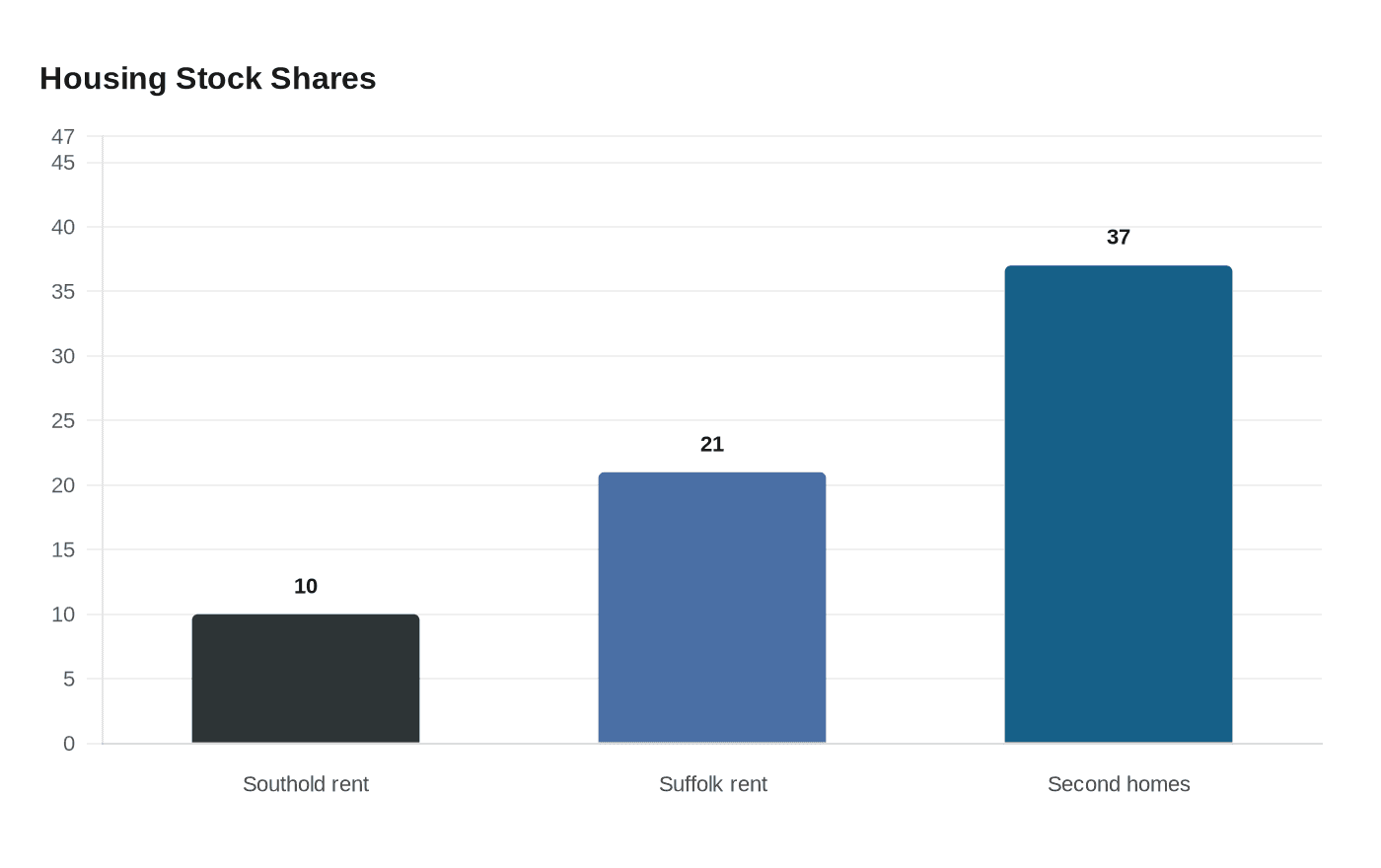
The housing pressure behind the change is severe. Southold’s 2020 Comprehensive Plan said fewer than 10% of the housing units counted in the 2010 Census were year-round rentals. It also said only about 10% of the housing stock was available for year-round rent, compared with 21% in Suffolk County overall, and that 5,217 homes, or 37% of the stock, were second homes used seasonally or occasionally. The town’s housing documents say high costs can drive out year-round residents, young people and families.
The accessory-apartment amendment followed a May 2025 rule change that extended the minimum rental permit duration from one year to two, made permits nontransferable and eliminated a three-year minimum prerequisite for an accessory structure to receive a certificate of occupancy. Caroline Shrank told officials that year she had secured a $107,000 Long Island Housing Partnership grant and a separate $50,000 septic grant but still faced barriers to building an ADU on her property.
Southold’s broader zoning update has moved in stages since the town adopted its Comprehensive Plan in 2020. That piecemeal approach has made each change easier to pass, but it also means the housing gains will arrive slowly. A February 25, 2026 appellate case over an accessory apartment in a barn showed how the older code could push owners into legal fights over existing structures. The latest amendment is designed to reduce those fights, but it still stops well short of opening the door to large-scale multifamily development.
This article was produced by Prism’s automated news system from verified source data, official records, and press releases, then run through automated quality and moderation checks before publishing. The system is built and supervised by the people who set the standards it runs under. Read our full AI policy.
Did this article answer your question?