State awards $3 million to aid Long Island shellfish industry recovery
A frozen Great South Bay left oyster farms with heavy winter losses. Now $3 million in state grants is aimed at keeping Suffolk’s shellfish economy alive.

A frozen Great South Bay that damaged boats, gear and oyster harvests is getting a $3 million rescue from New York, with 14 Long Island small businesses tapped for help as Suffolk’s shellfish industry tries to rebuild before the next season.
Gov. Kathy Hochul announced the money on May 2 as the second round of the Long Island Aquaculture Infrastructure Grant Program, part of the Blue Food Transformation initiative first rolled out in her 2024 State of the State. The latest awards lift total support under the program to $4.2 million, after an earlier round delivered $1.2 million to 17 Long Island businesses for equipment purchases and upgrades. State officials said the new round is aimed at infrastructure improvements that streamline operations and increase production, a shift from simple equipment aid to the bigger repairs needed after a brutal winter.
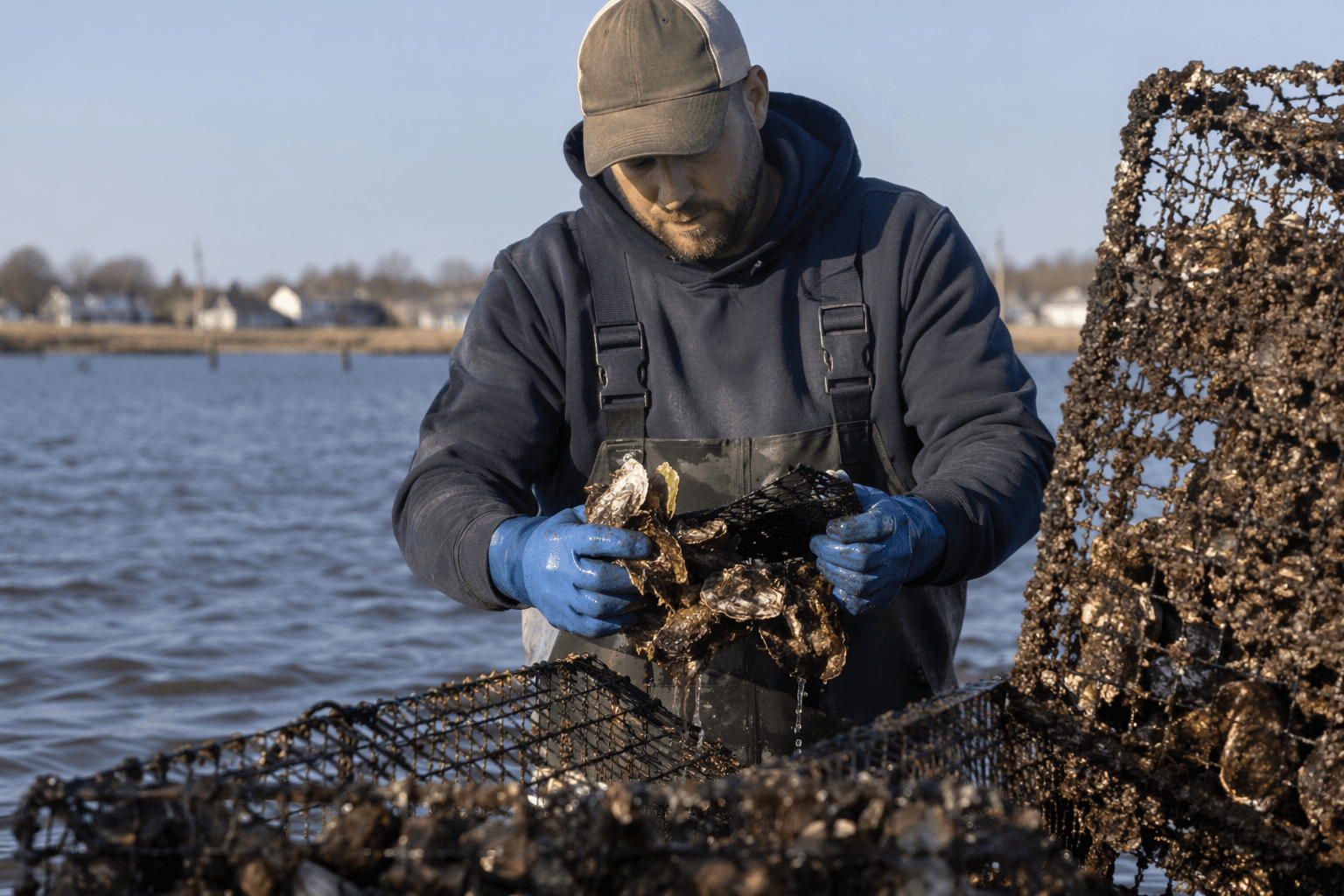
That winter left a clear financial mark. On April 6, Hochul asked the U.S. Department of Agriculture for a Secretarial Disaster Designation for Suffolk County after severe snow, prolonged freezing temperatures and heavy ice caused an estimated $2.4 million in losses to aquaculture producers. Industry data shared with the governor’s office projected an average 33% crop loss for oyster farmers, along with about $2.4 million in gear repair and replacement costs. USDA designated Suffolk County as a natural disaster area on May 20, opening the door for emergency loans through USDA Farm Service Agency programs.
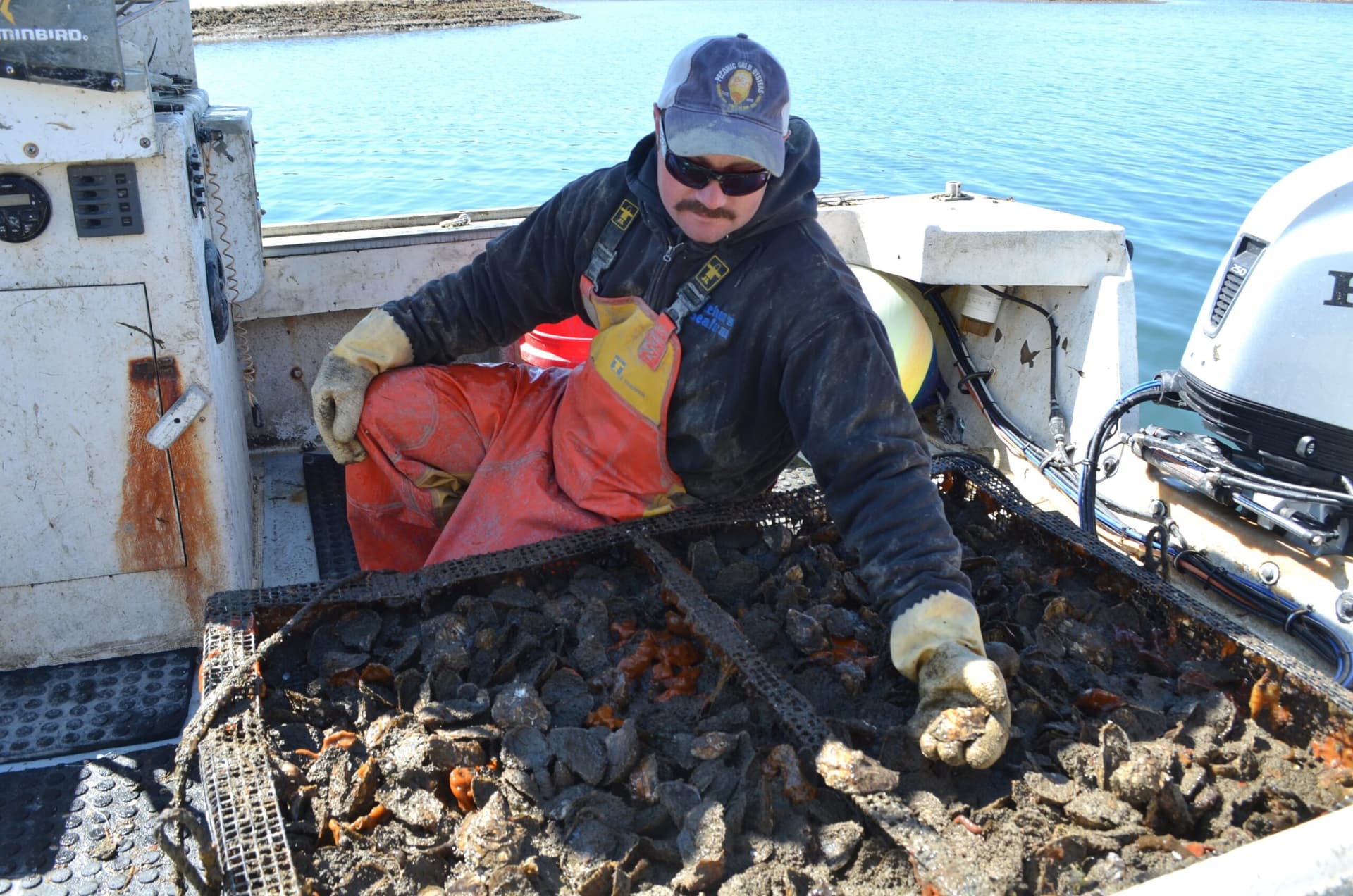
For growers and hatchery operators in places like Great South Bay, Moriches Bay and the East End, the money is meant to keep waterfront businesses functioning, not just patch over one bad season. Eric Koepele of the Long Island Oyster Growers Association said the grants can help family farms upgrade docks, cooled storage facilities and other equipment needed to scale oyster and seaweed production. Bill Zalakar of the Long Island Farm Bureau said the aid can help farmers get back on their feet and build a stronger, more sustainable aquaculture industry. Todd Erling of the Farm and Food Growth Fund, which administers the program for the state, said Long Island shellfish and hatchery operations date back two centuries and many are generational or tribal businesses.
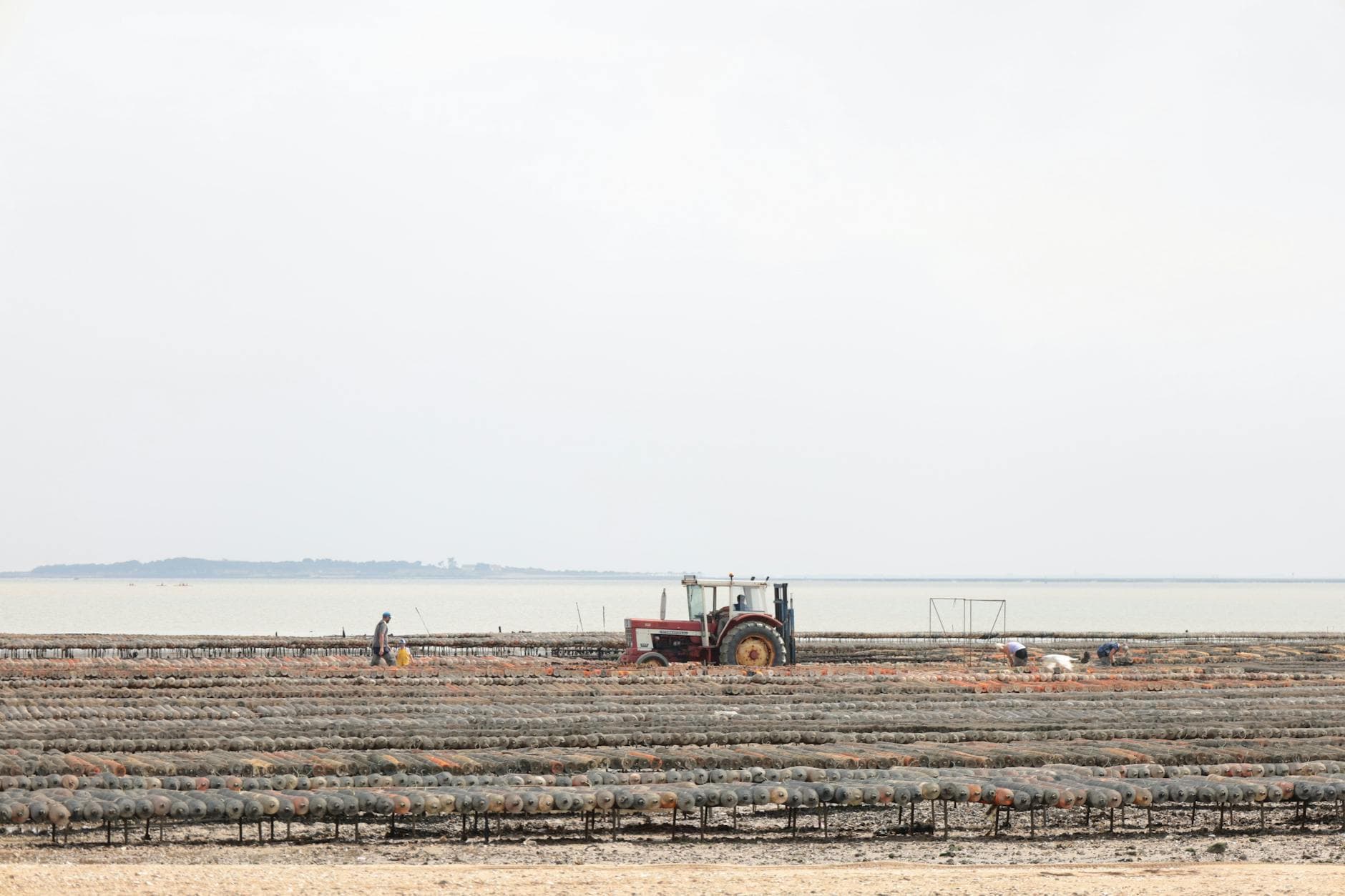
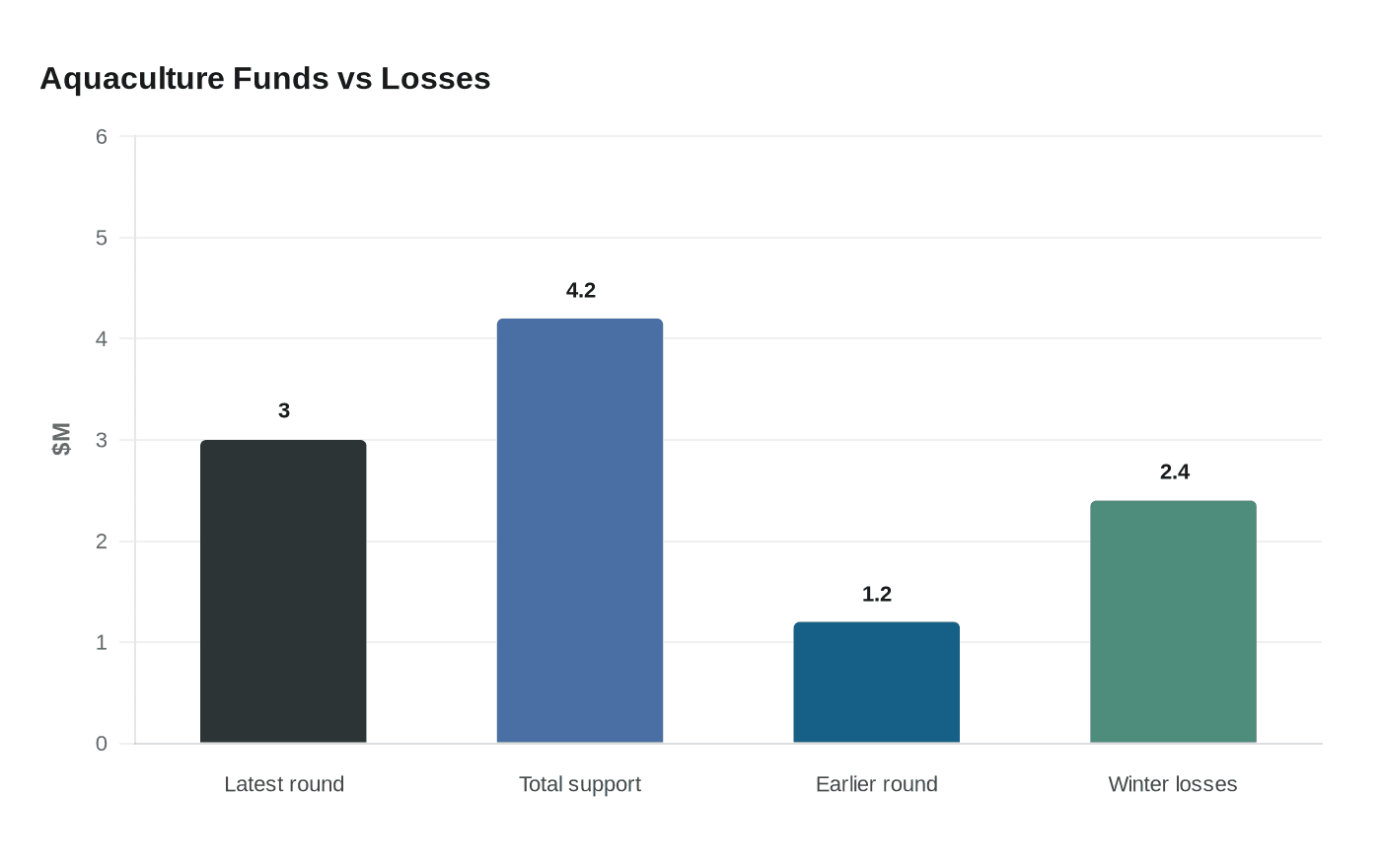
The numbers show why the state is treating shellfish as an economic sector, not a niche. The $3 million round exceeds the estimated direct winter loss, but it is being spread across 14 businesses and is meant to restore production capacity, not erase every loss at once. In Suffolk, where boats, harvesters, shippers and buyers depend on the same coastal supply chain, that kind of investment can determine whether the next oyster crop reaches restaurants, fish markets and docks across the county.
Know something we missed? Have a correction or additional information?
Submit a Tip