Suffolk County enacts stricter e-bike and scooter rules, tougher penalties
Suffolk County enacted two local laws tightening rules for electric-assist bikes and motorized scooters to improve safety on roads, trails and sidewalks.
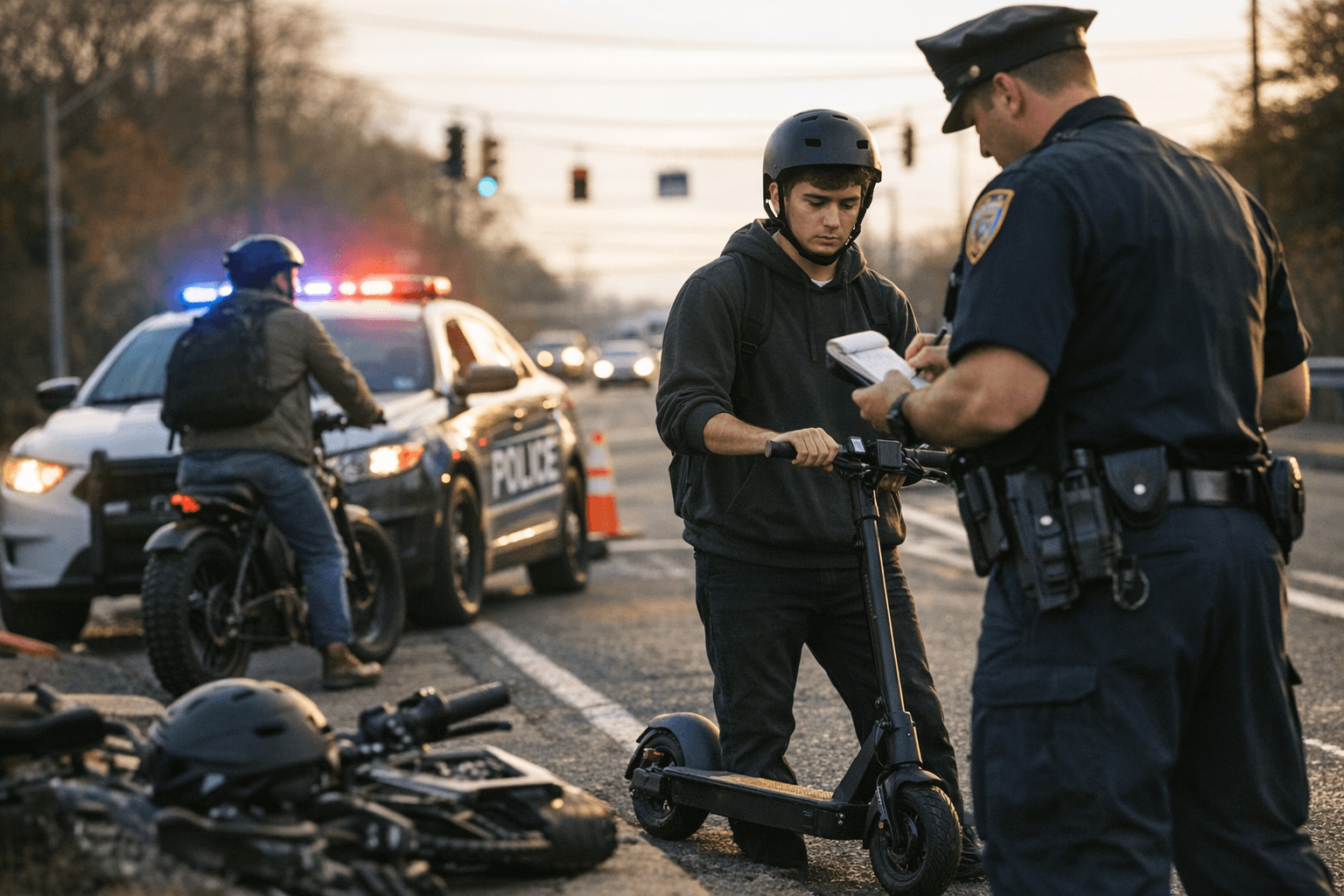
Suffolk County enacted two local laws on Jan. 22, 2026, that tighten where electric-assist bicycles and motorized scooters may operate and increase penalties for unlawful operation. The measures were approved unanimously by the County Legislature and had been signed by the county executive late in December.
The new ordinances expand restrictions on powered devices across roads, recreational trails and sidewalks, and raise fines and other penalties intended to deter unsafe riding. County leaders framed the changes as an effort to balance the convenience and emissions benefits of micromobility with growing public-safety concerns for pedestrians, traditional cyclists and motorists.
Unanimous legislative approval signals broad political support at the local level. The County Legislature adopted both laws without dissent, moving quickly from executive signature to formal enactment in January. Local officials say the regulatory package is designed to give law enforcement clearer authority to address hazardous operation while preserving permitted uses where safety can be maintained.
Riders who use electric-assist bicycles or scooters for commuting, errands or delivery work will encounter new restrictions on where they can ride and face stiffer consequences for violations. Pedestrians on busy sidewalks, families on county trails and drivers sharing narrow roads are among the constituencies county leaders cited when framing the need for updated rules. The changes aim to reduce collisions, near-misses and conflicts in high-traffic public spaces.
Implementation will fall to county and local law enforcement agencies and municipal code enforcement officers. The laws broaden the county's regulatory toolbox, which officials expect will allow officers to issue citations with greater consistency. Increased penalties are explicitly intended as a deterrent to reckless operation rather than a general crackdown on lawful riders, according to county statements.
Policy implications extend beyond public-safety enforcement. Local regulation of micromobility devices raises questions about equity for users who rely on low-cost, battery-powered travel and about how county rules will interact with existing state traffic laws. County leaders described the package as striking a balance between encouraging micromobility and protecting vulnerable road users.
For residents, the practical effects are immediate: riders should review where they operate electric-assist bikes and scooters and anticipate heightened enforcement. County officials will monitor outcomes as the laws take effect, and adjustments to enforcement practices or ordinances remain possible based on observed impacts. The enactment marks a new phase in Suffolk County's approach to micromobility, prioritizing pedestrian and roadway safety while acknowledging the role of e-bikes and scooters in local transportation.
This article was produced by Prism’s automated news system from verified source data, official records, and press releases, then run through automated quality and moderation checks before publishing. The system is built and supervised by the people who set the standards it runs under. Read our full AI policy.
Did this article answer your question?