Suffolk County: How to Apply for Property Tax Exemptions and Senior Benefits
Learn how to apply for Suffolk County property tax exemptions and senior benefits, what documents and forms you need, deadlines, and who to call in your town.
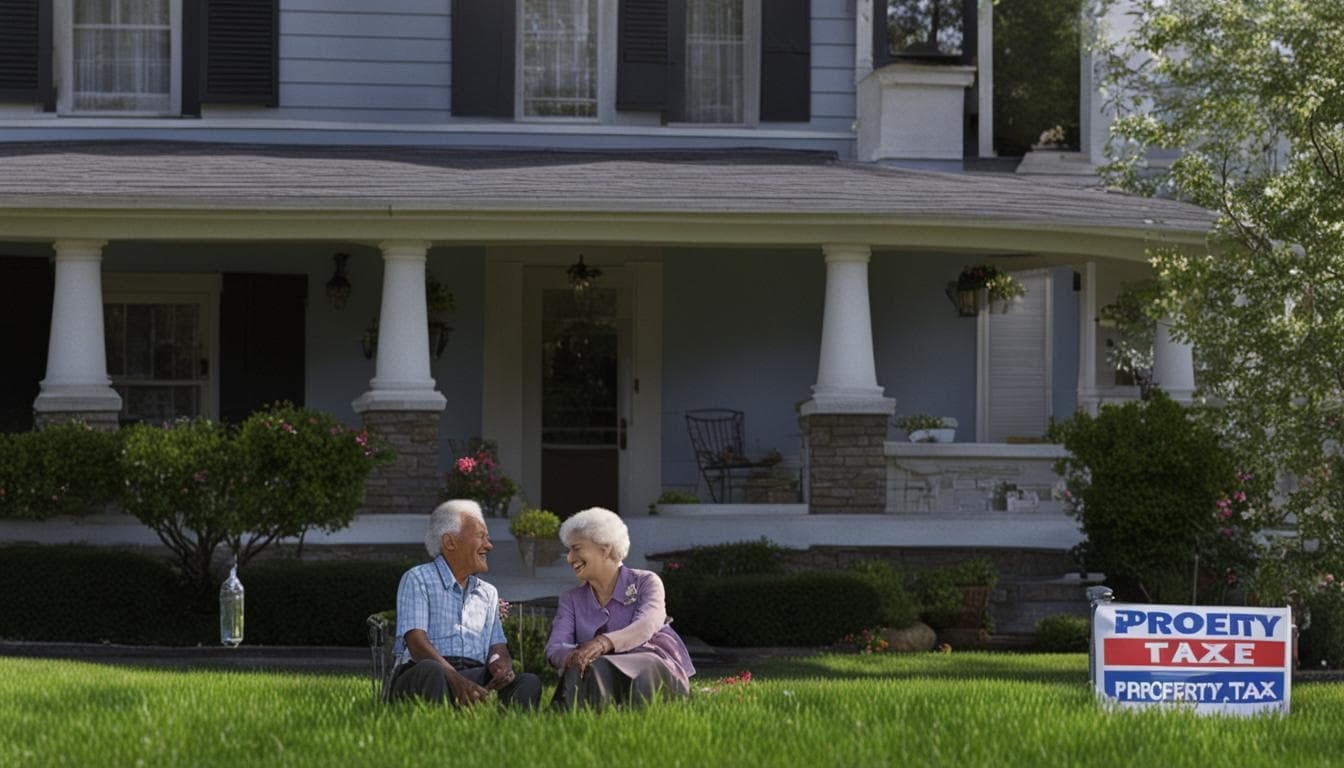
Start now: March 1 is the annual deadline for senior exemptions on Long Island, and local assessors, not a central county office, handle applications in Suffolk. Legislator Tom Donnelly urged residents turning 65 to file: “As our residents enter this special time in their lives, they should be able to enjoy all of the benefits that they have earned,” and added, “The deadline is fast approaching. Please apply for your tax exemptions today so you do not miss out!”
1. What programs are available in Suffolk County
Suffolk County offers a range of state and local property tax relief programs: STAR (School Tax Relief, including Enhanced STAR), senior citizens exemptions and deferrals, veterans’ exemptions, disability exemptions, and town-level programs such as firefighter/ambulance exemptions, capital improvement exemptions, and first-time home buyer exemptions. These programs are intended to lower the tax burden on homeowners who meet age, income, service, or property conditions; eligibility, benefit size, and renewal rules vary by municipality, so local rules matter. Understanding which program or combination of programs applies to your household is the first step toward saving on property taxes.
2. Who manages applications, Suffolk vs. Nassau
In Suffolk County, individual town assessors administer exemption applications and renewals; in Nassau County, the Department of Assessment handles applications centrally. That means you must contact your town assessor’s office for forms, guidance, and submission in Suffolk, town rules and phone contacts are the authoritative source. Expect differences in deadlines for certain local programs, renewal cycles, and documentation requirements between towns.
3. Senior citizens exemption (AGED), age, income, and residency
The Senior Citizens Exemption requires that the owner be at least 65 years old by December 31 of the application year, and the property must be the owner’s primary residence. There is a maximum income requirement (income is typically defined as federal adjusted gross income, or FAGI, from Form 1040), with a common illustrative threshold of $58,400 for many Long Island towns; for example, to file for the year 2025, owners’ incomes may not have exceeded $58,400 for 2023. Married couples count combined household income even if only one spouse is 65 or older. Note that many towns require annual renewal of the exemption, so keep your paperwork current each year.
4. Enhanced STAR and combining benefits
Enhanced STAR provides additional savings for eligible seniors and can be combined with the Senior Citizens Exemption if you meet both programs’ criteria. Income thresholds and eligibility details for Enhanced STAR vary by municipality; check with your town assessor to confirm the exact limits for your location. If you receive STAR benefits and live in a tax-cap-compliant school district you may also qualify for the NYS Property Tax Relief Credit, your assessor can confirm eligibility.
5. Town spotlight, Babylon programs and rules
The Town of Babylon offers several exemptions that illustrate how local programs work: volunteer firefighter/ambulance workers with 20 or more years of service can qualify for an exemption on their primary residence anywhere in Suffolk County, but their name must be on the eligibility list provided by the department chief and applicants must file and renew annually to retain it. Babylon also offers a capital improvement exemption for one- and two-family homes at least five years old (no annual renewal required) and a first-time buyer exemption for newly constructed homes (houses, townhouses, condos used as primary residence), which also does not require annual renewal. For Babylon first-time forms are available online or from the Assessor’s Office in Town Hall; renewing applicants should call the Assessor’s Office at (631) 957-3014.
6. Duties and deadlines, what to file and when
For senior exemptions on Long Island the deadline is March 1 each year for both Suffolk and Nassau counties; missing that deadline generally means you must wait another year for relief. Some exemptions require annual renewal, for example, Babylon states that the senior exemption must be renewed annually and that volunteer firefighter/ambulance exemptions must be certified and renewed annually. Missing the deadline or submitting incomplete paperwork can delay or derail your relief: “Required documents include proof of age (like a driver’s license), income details (such as tax returns), and evidence of ownership and residency. Missing the deadline or submitting incomplete paperwork can delay or derail your relief, so precision and timeliness are essential. Local offices often provide forms online, making it easier to start the process.”
- Proof of age (for seniors, a driver’s license or passport),
- Income documentation (federal tax returns or FAGI as reported on Form 1040; married couples’ combined income is considered),
- Proof of ownership and that the property is your primary residence (deed, tax bill, or utility records).
7. Required documents, gather these before you apply
Typical evidence required across towns includes:
Different programs may request additional documentation (service records for firefighter exemptions, disability certification for disability exemptions), so call your assessor to confirm the full checklist before you go.
8. Forms you may need (RP series) and where to get them
New York State form codes you may encounter include RP-466-c (Suffolk) for volunteer firefighter/ambulance exemptions, and the RP-467 family (RP-467-Rnw, RP-467-Wkst, RP-467-aff/ctv, RP-467-aff/s, RP-467-d, etc.) for senior and related exemptions. RP-467-Wkst is the income worksheet for the Senior Citizens Exemption; RP-467-Rnw is the renewal application. Obtain the correct RP form variant for Suffolk County from your town assessor’s office; many towns post the forms online for download and initial filing. Using the correct county-specific form prevents processing delays.
9. Veterans and disability exemptions, initial notes
Veterans’ and disability exemptions are listed among Suffolk County’s available programs, but eligibility details, documentation, and renewal rules vary by town and are not exhaustively described here. Contact your town assessor for the exact requirements, documentation, and whether the exemption must be renewed annually. For veterans, expect to prove service and discharge status; for disability exemptions, expect medical certification or Social Security documentation.
- File before March 1 for senior exemptions and confirm whether renewals also require submission by that date.
- Don’t assume thresholds are identical across towns; use $58,400 as an illustrative threshold for many Long Island towns but check your assessor for your town’s actual limit.
- Make copies of tax returns, ID, deeds, and any service certification before submission to speed processing.
- If you are a volunteer firefighter or EMT, ensure your name appears on the department chief’s eligibility list, that administrative detail is essential to secure the exemption.
10. Common pitfalls and practical tips
11. Local contacts and immediate actions
If you live in Babylon, call the Assessor’s Office at (631) 957-3014 for forms and renewal instructions; Huntington residents can call (631) 351-3226; Islip residents can call (631) 224-5585. For general Enhanced STAR assistance referenced in regional Long Island guidance, a contact phone number provided is 631-253-8026. If you’re turning 65 this year, heed Legislator Donnelly’s reminder to file early: “If you were born in 1959 and turning 65 this year, Suffolk County Legislator Tom Donnelly would like to wish you a happy birthday and remind you to file your property tax exemption forms before March 1, regardless of your month and date of birth.”
- Gather ID, last year’s Form 1040, deed or proof of ownership, and proof of residency.
- Call your town assessor to confirm the local income threshold and request the correct RP form variant.
- File the application before March 1 (for senior exemptions) and calendar annual renewal dates for any exemptions that require them.
12. Next steps, a short checklist to act on today
Closing practical wisdom Property tax relief in Suffolk depends as much on local administration as on state rules, treat your town assessor as the primary gateway, not a distant office. Start early, assemble tidy paperwork, and keep annual reminders for renewals; those small administrative acts often translate into meaningful savings and security for households across the county.
This article was produced by Prism’s automated news system from verified source data, official records, and press releases, then run through automated quality and moderation checks before publishing. The system is built and supervised by the people who set the standards it runs under. Read our full AI policy.
Did this article answer your question?