Suffolk County police arrest Islip man in scam-driven crypto theft
A phone scam drained $7,000 from two Pennsylvania accounts, then the cash surfaced in an Islip man’s Coinbase wallet and at an East Islip ATM.

Suffolk County police said a $7,000 phone scam that started with two Pennsylvania bank accounts ended in a cryptocurrency wallet tied to an Islip man and at an ATM on Main Street in East Islip. Detectives with the Suffolk County Police Financial Crimes Unit arrested Chancellor McKee after tracing the money from the victims’ accounts into digital channels and back out in cash.
Police said the two Pennsylvania residents were fooled by a phone scam and separately lost $2,500 and $4,500. Investigators said both transfers were made on November 12, 2025 into a Coinbase account tied to McKee, 22, of 47 Juniper St. From there, police said, the money moved into other accounts belonging to McKee before he withdrew funds on November 23 from an ATM in East Islip.
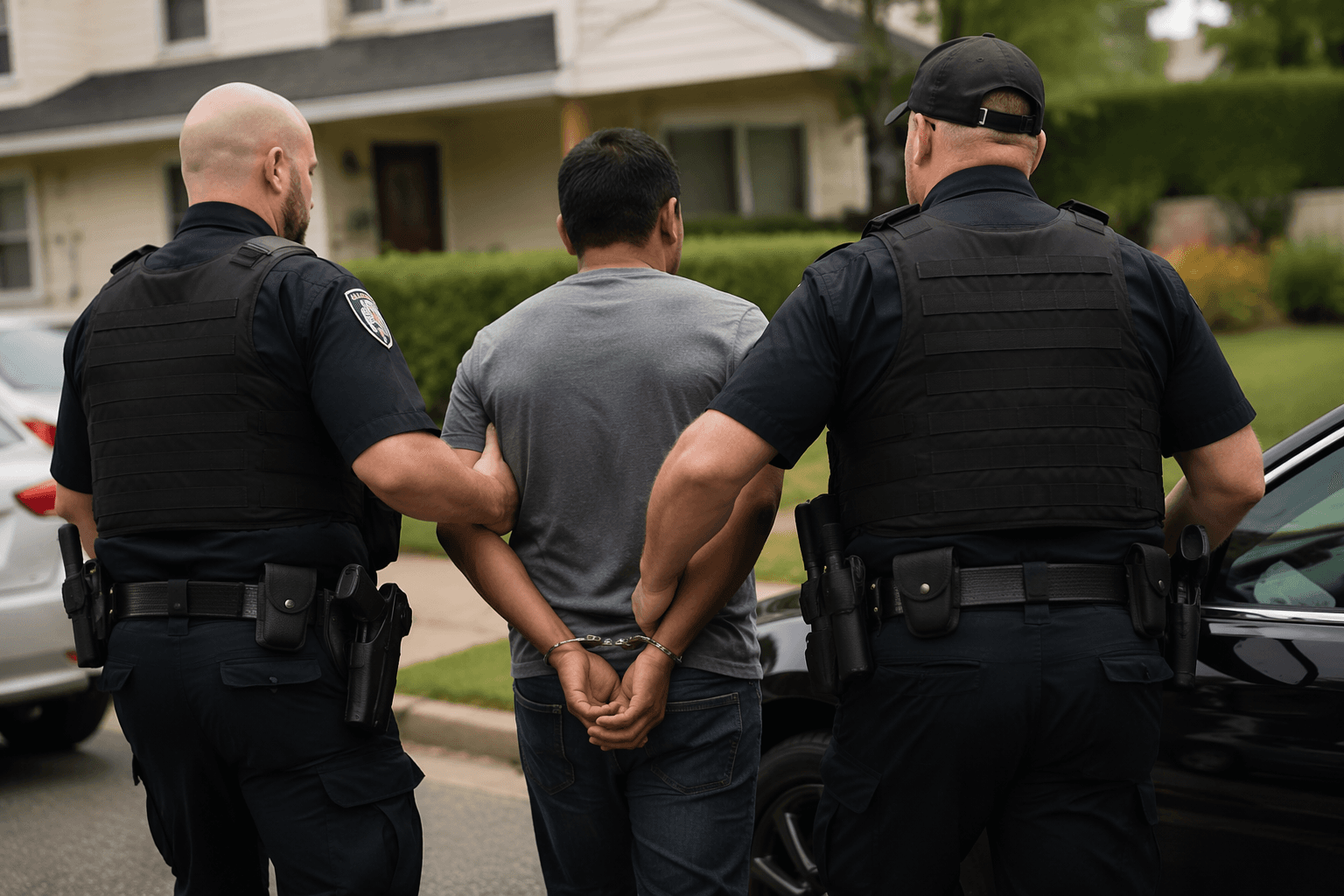
McKee was charged with grand larceny in the third degree and was scheduled to be arraigned in First District Court in Central Islip. The case shows how quickly a scam can jump from a traditional bank account to a digital exchange and then to a local cash machine, turning a phone-based deception into a crime with a Suffolk County footprint.
That chain matters because the first step was not a hacked computer system or a stolen card, but a phone call that persuaded the victims to move money. Once the funds were transferred out of the bank accounts, detectives had to follow the trail through Coinbase accounts and then to a withdrawal point on Main Street in East Islip. It is the kind of fraud that can move in minutes and leave victims facing both a financial loss and a complicated recovery process.
Coinbase has said it works with law enforcement on social-engineering cases and that blockchain transactions remain traceable even when funds are layered through multiple accounts. In cases like this one, that traceability can help investigators connect a remote scam victim in Pennsylvania to a local withdrawal in Suffolk County. For residents, the warning sign is clear: any caller who pressures a rushed payment, directs money to a digital account, or claims there is an urgent problem with a bank account should be treated as a fraud risk, not a routine request.
This article was produced by Prism’s automated news system from verified source data, official records, and press releases, then run through automated quality and moderation checks before publishing. The system is built and supervised by the people who set the standards it runs under. Read our full AI policy.
Did this article answer your question?