Suffolk County preserves working waterfronts, approves marsh land, safety funding
Suffolk lawmakers moved to shield docks, marshes and open land, protecting a maritime economy that supports nearly 3,000 businesses and 38,000 jobs.
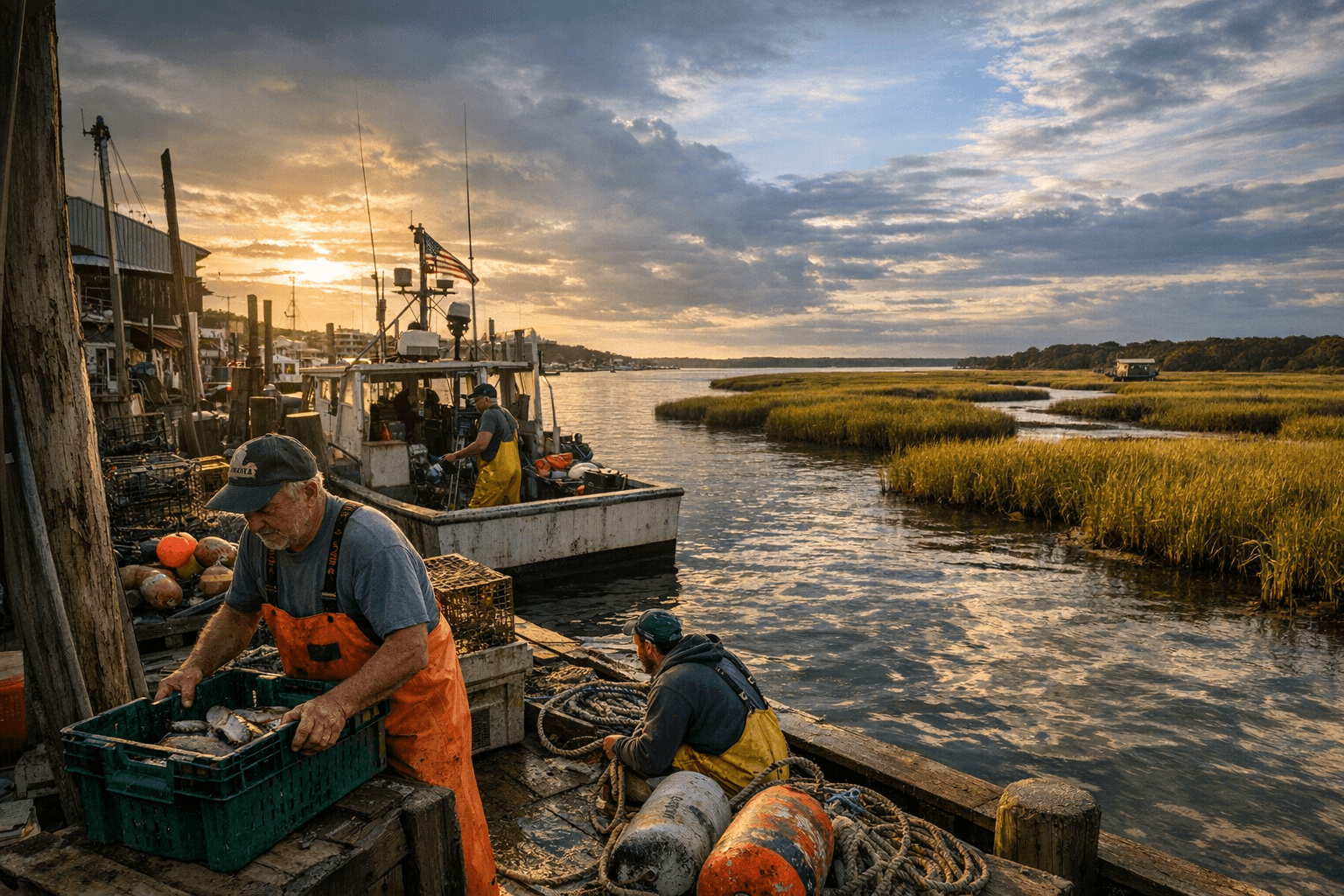
Suffolk County lawmakers approved new protections for working waterfronts, marsh land and public safety infrastructure, aiming to keep shorefront parcels in commercial use as development pressure continues along the county’s coast.
The actions came at the legislature’s April 21 general meeting in Hauppauge, which opened at 9:30 a.m. with public hearings set for 2 p.m. County officials said the waterfront measure is designed to preserve the facilities, capacity and services that maritime industries need to keep operating on the North Fork, South Fork and Shelter Island.
The working waterfront program builds on a unanimous Sept. 3, 2025 vote on IR 1520, which created Chapter 26 of the Suffolk County Code, Conservation of Working Waterfronts. The program is voluntary and uses conservation easements, allowing property owners to sell development rights while keeping title to the land. Eligibility is limited to waterfront properties that directly border coastal waters and support commercial fisheries, aquaculture or recreational fishing and boating.
County records say Suffolk has roughly 2,400 acres of commercial waterfront property in 964 parcels. The county said in 2025 that nearly 3,000 maritime-related businesses employed more than 38,000 workers, accounting for more than 6% of the county economy. New York State commercial fishing landings topped 17 million pounds in 2023 and were valued at more than $28 million, a reminder of how much local income depends on shore access, docks and loading sites that cannot easily be replaced once they are lost.
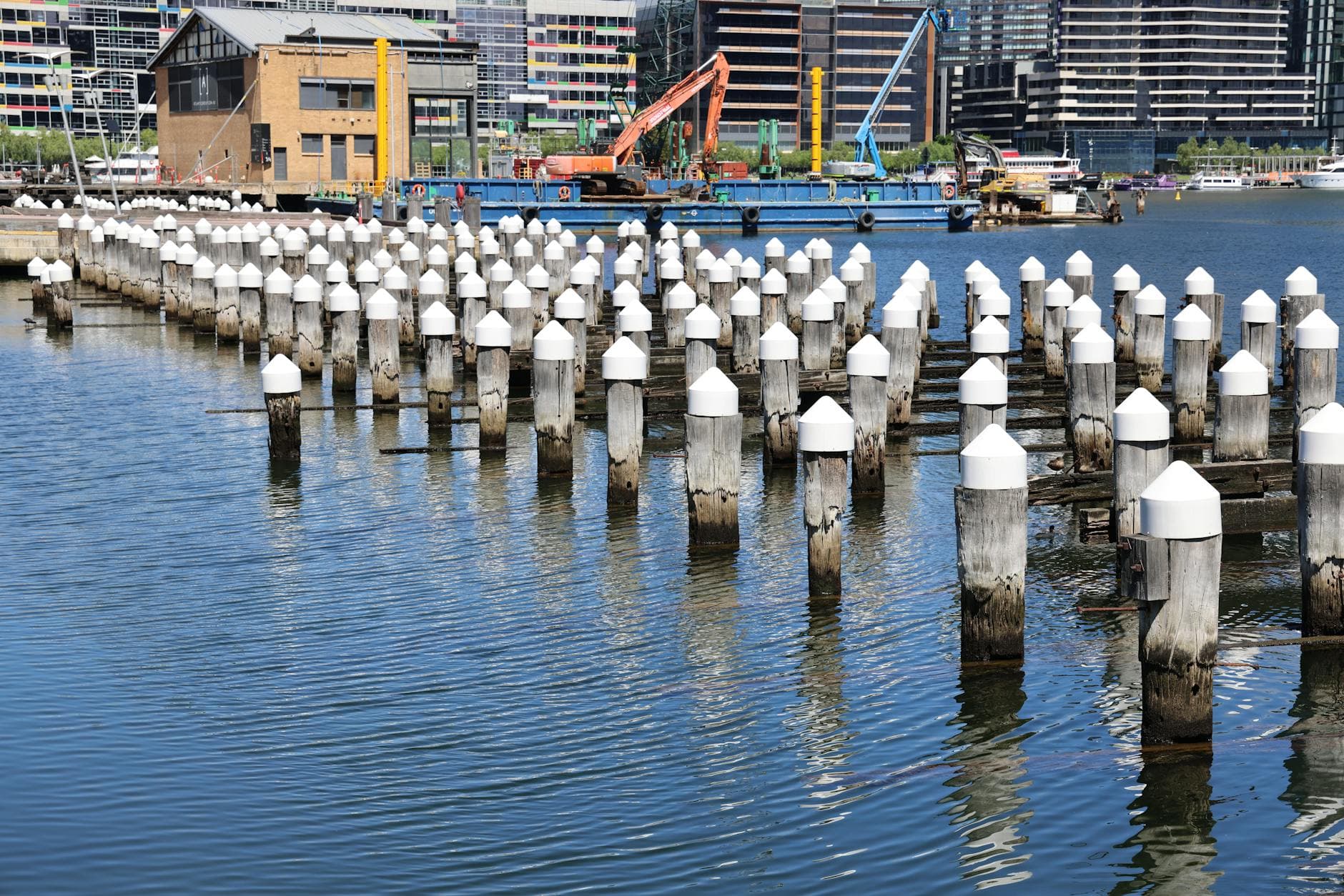
County Executive Ed Romaine signed the legislation protecting working waterfronts for future generations. The county said the program was shaped by Economic Development Commissioner Sarah Lansdale and Chief Deputy Commissioner Maureen Getchell, along with a working group that included East End legislators Ann Welker and Catherine Stark, commercial fishermen, baymen and oyster farmers. Suffolk said the model was inspired by Maine’s 2008 working waterfront law and by Suffolk’s farmland preservation program, which began in 1974 as the first purchase-of-development-rights program in the United States.
The legislature’s separate open-space work reflects the same strategy. Suffolk says it has purchased more than 50,000 acres of environmentally sensitive land since the late 1950s and acquired development rights to more than 10,000 acres of productive farmland. Planning documents say even a small marsh can qualify as open space, and that preserving land can reduce long-term costs for utilities, transportation and public works. For Suffolk, the payoff is not abstract: it is continued access for watermen, steadier protection for marshes, and less pressure on taxpayers to build around land that is better left undeveloped.
This article was produced by Prism’s automated news system from verified source data, official records, and press releases, then run through automated quality and moderation checks before publishing. The system is built and supervised by the people who set the standards it runs under. Read our full AI policy.
Did this article answer your question?