Suffolk jury finds LIRR negligent in deadly Brentwood crash, awards family $2.9 million
A Suffolk County jury found the LIRR negligent in the Brentwood crossing deaths of Blanca Maldonado and Jose Adolfo Reyes, triggering a $2.9 million payout.

A Suffolk County jury has found the Long Island Rail Road negligent in the Brentwood crossing deaths of Blanca Maldonado and her father, Jose Adolfo Reyes, a verdict that sent $2.9 million to their family and put railroad safety back under a sharp local spotlight.
The case centered on the Suffolk Avenue crossing in Brentwood, where the family argued the gate did not close before the deadly collision. The finding lands as more than a legal loss for the railroad. It reopens a public-safety question that reaches far beyond one Commack family and one crash: whether Suffolk’s grade crossings are being maintained and monitored closely enough to protect drivers who pass through them every day.
Maldonado, 52, a mother of three from Commack, and Reyes, 73, were killed on Jan. 22, 2013, when an LIRR equipment train struck the car they were in just after 10 a.m. There were no passengers on the train. MTA police said the engineer saw the vehicle go around the lowered gate before the crash, a detail that shaped the early public understanding of the collision and the long fight that followed.
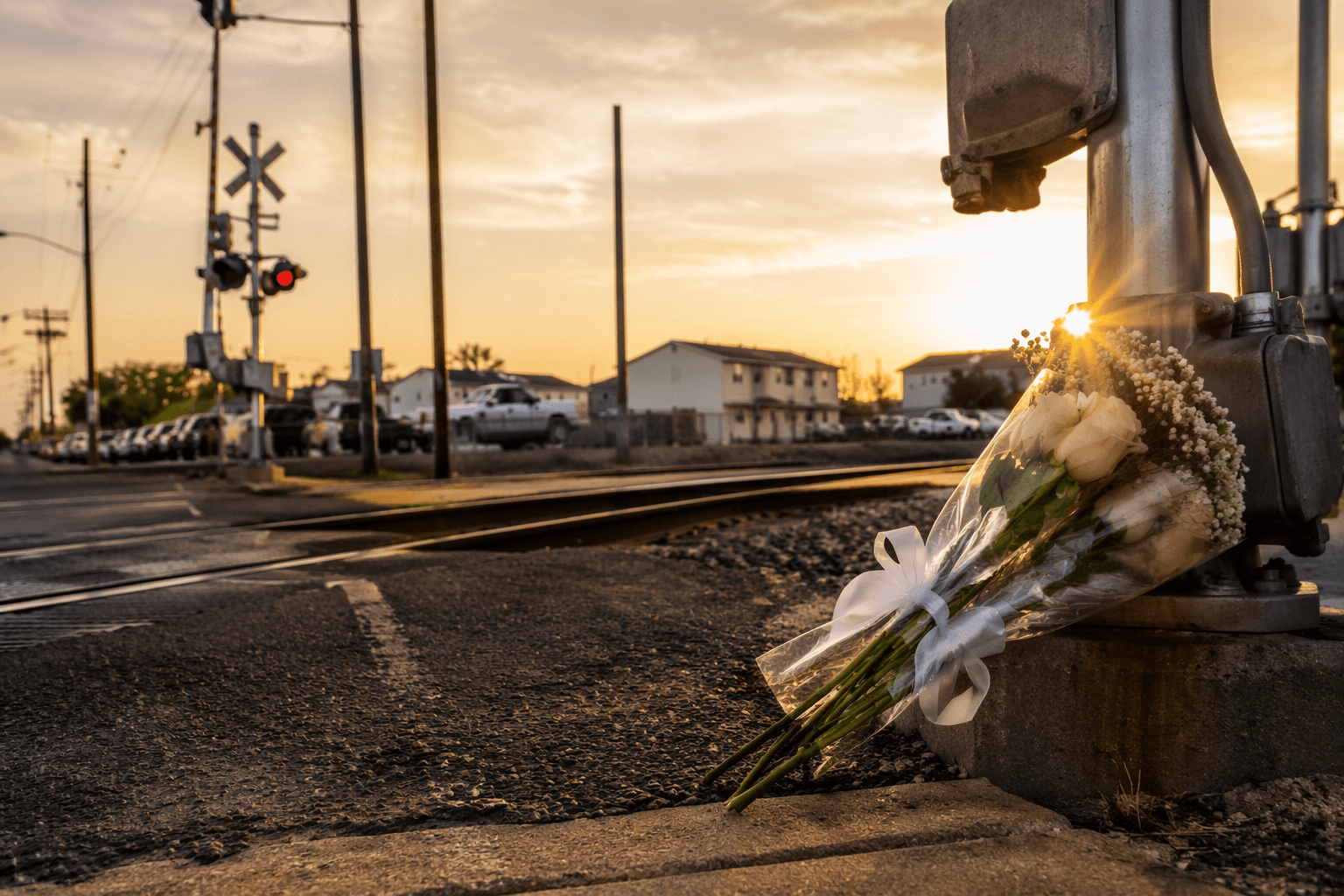
The verdict also revives attention on the railroad’s crossing network across Long Island. The LIRR has said there are more than 295 grade crossings in Nassau and Suffolk counties, each one a potential point of failure if warning systems, gates or driver behavior do not line up as intended. In 2013, the railroad was already dealing with a string of incidents involving trains striking cars or pedestrians, and it later used Brentwood wreckage in a safety campaign urging motorists to wait for the gate.
That history makes the $2.9 million payout more than a line item. It is a reminder that the costs of a crossing failure can be measured in lives first and dollars second. For Suffolk riders, drivers and commuters, the Brentwood case keeps the focus on whether the railroad has done enough to prevent another gate, signal or crossing breakdown from ending in tragedy.
This article was produced by Prism’s automated news system from verified source data, official records, and press releases, then run through automated quality and moderation checks before publishing. The system is built and supervised by the people who set the standards it runs under. Read our full AI policy.
Did this article answer your question?