Suffolk officials warn legal cannabis still poses public-health risks
At Wellbridge in Calverton, Suffolk leaders warned that cannabis products now pack far more THC, and police have already logged 550 drug-impaired arrests this year.

At Wellbridge Addiction Treatment and Research in Calverton, Suffolk County leaders used April 20 to deliver a blunt message: legal cannabis has not made impaired driving, youth exposure or heavy THC use safe.
County Executive Ed Romaine, District Attorney Ray Tierney, Sheriff Errol Toulon Jr., Suffolk police Chief of Department William Doherty and Riverhead Town Supervisor Jerry Halpin joined clinicians from Wellbridge and Outreach Development Corp. for a warning that was framed as a public-health alert, not a celebration of cannabis culture. The panel focused on cannabis use disorder, cannabis-induced psychosis, access to THC products by minors and the risks of drugged driving.
Officials repeatedly drew a line between legality and safety. Cannabis is legal for adults in New York under the Marijuana Regulation and Taxation Act, which was chaptered into law on March 31, 2021, but driving while impaired by cannabis remains illegal and dangerous under state traffic-safety guidance.
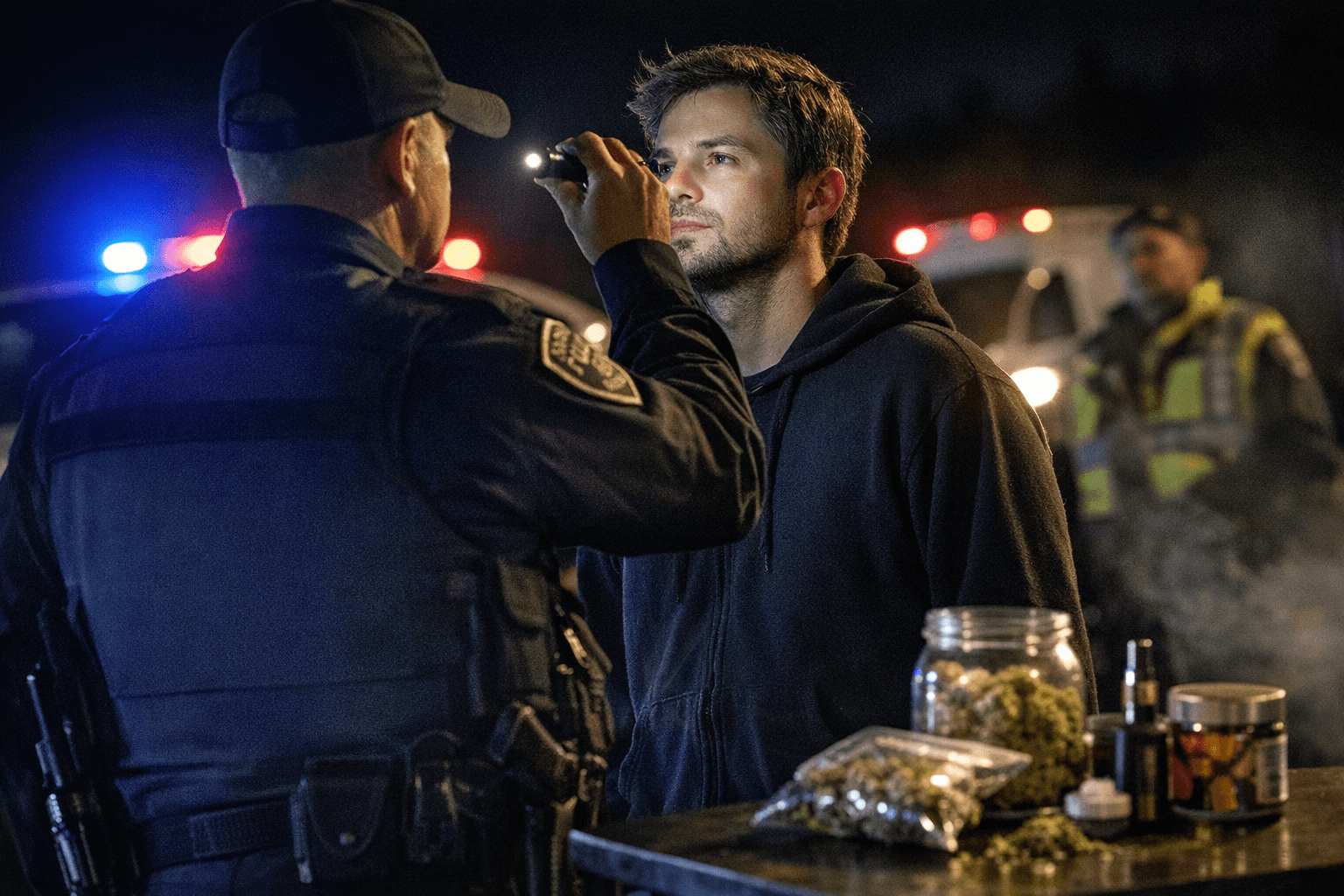
The enforcement numbers underscored why Suffolk leaders are sounding the alarm. Doherty said Suffolk police made more than 1,500 arrests in 2025 for driving while intoxicated or impaired by drugs, a 16% increase from 2024. News 12 Long Island also reported that Suffolk police had already made 550 DWI or drug-impaired driving arrests so far in 2026.
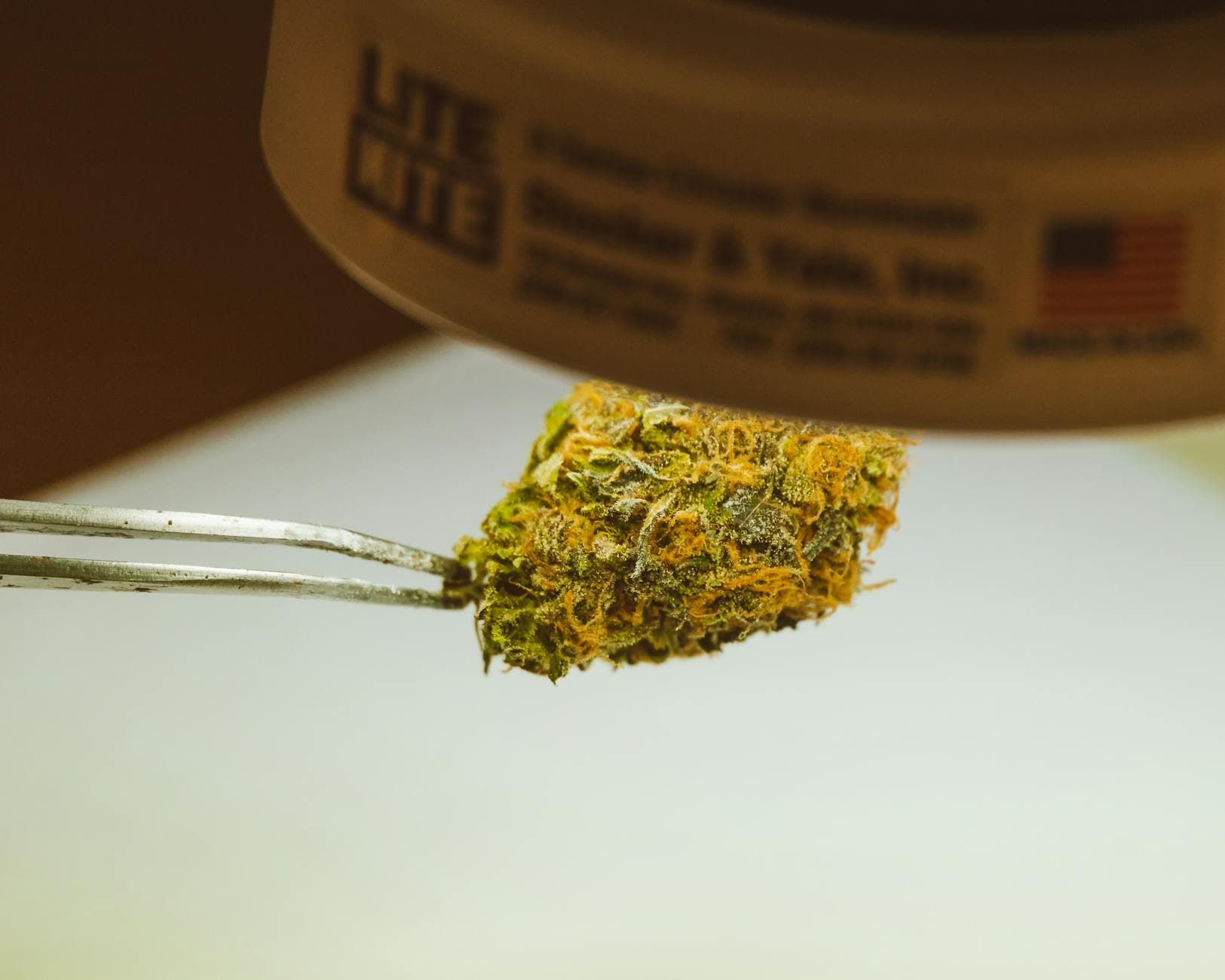
Dr. Edmond Hakimi, medical director at Wellbridge, pointed to the changing strength of today’s cannabis products. “It’s not the same cannabis as it used to be in early 2000s. Back then, THC levels, on average, were 3% to 4%. Now, we’re seeing on average about 20%,” Hakimi said. That shift, doctors warned, raises the stakes for teens, occasional users and anyone getting behind the wheel.
The Calverton setting mattered. On eastern Long Island, long driving distances, dark roads and late-night travel can turn a single impaired decision into a serious crash. Suffolk officials tied the discussion to local fatalities and to THC-laced edibles and illegal sales to minors, arguing that the county’s health system, courts and police are already absorbing the consequences.
The warning also fits a larger county push. Suffolk leaders have previously backed stronger drugged-driving laws with state lawmakers and victims’ families, and a Suffolk County District Attorney case involving a wrong-way driver charged with driving while impaired by a drug after a six-vehicle crash that injured four people showed how those cases can quickly become mass-casualty events.
New York state health and cannabis agencies continue to stress harm reduction, prevention of underage use and equity goals, but Suffolk’s message in Calverton was narrower and more immediate: legal access does not erase the dangers of high-potency cannabis, especially for young people and drivers.
This article was produced by Prism’s automated news system from verified source data, official records, and press releases, then run through automated quality and moderation checks before publishing. The system is built and supervised by the people who set the standards it runs under. Read our full AI policy.
Did this article answer your question?