Suffolk prosecutors say caretaker fabricated cover-up in Jor'Dynn Duncan case
Prosecutors say Emily Kelly spun fake therapists, hospital stays and school incidents to hide abuse before Jor'Dynn Duncan's death. The case now spans three indicted women and more than 90 wounds.

Suffolk prosecutors said a Bayport caretaker built a false trail of therapists, hospitalizations and school incidents to conceal what they described as ongoing abuse of 7-year-old Jor'Dynn Duncan, a case now at the center of one of the county’s most disturbing child-abuse prosecutions.
A grand jury indictment filed May 28 named Emily Kelly, 50, of Bayport, her mother and her daughter in connection with Duncan’s killing. Prosecutors said Duncan endured “prolonged torture” and had more than 90 wounds on her body when she died Dec. 29. Kelly faces a second-degree murder charge tied to the child’s death.
The alleged deception matters because it points to more than violence alone. Prosecutors say the invented narratives were used to make Duncan appear to have a medical and school history that did not exist, a cover story that could have kept teachers, relatives and health providers from seeing the abuse for what it was. In a case like this, fake explanations can function as a shield, replacing real monitoring with a paper trail that looks credible until someone checks it.
That is exactly the kind of gap child-protection systems are built to close. The Suffolk County District Attorney’s Office says its Children’s Advocacy Center brings police, prosecutors, advocates, medical and mental-health clinicians, social workers and other providers into one setting so children and non-offending caretakers do not have to repeat the same account over and over. The office says forensic interviews by specially trained professionals are meant to limit how many times a child must disclose abuse.
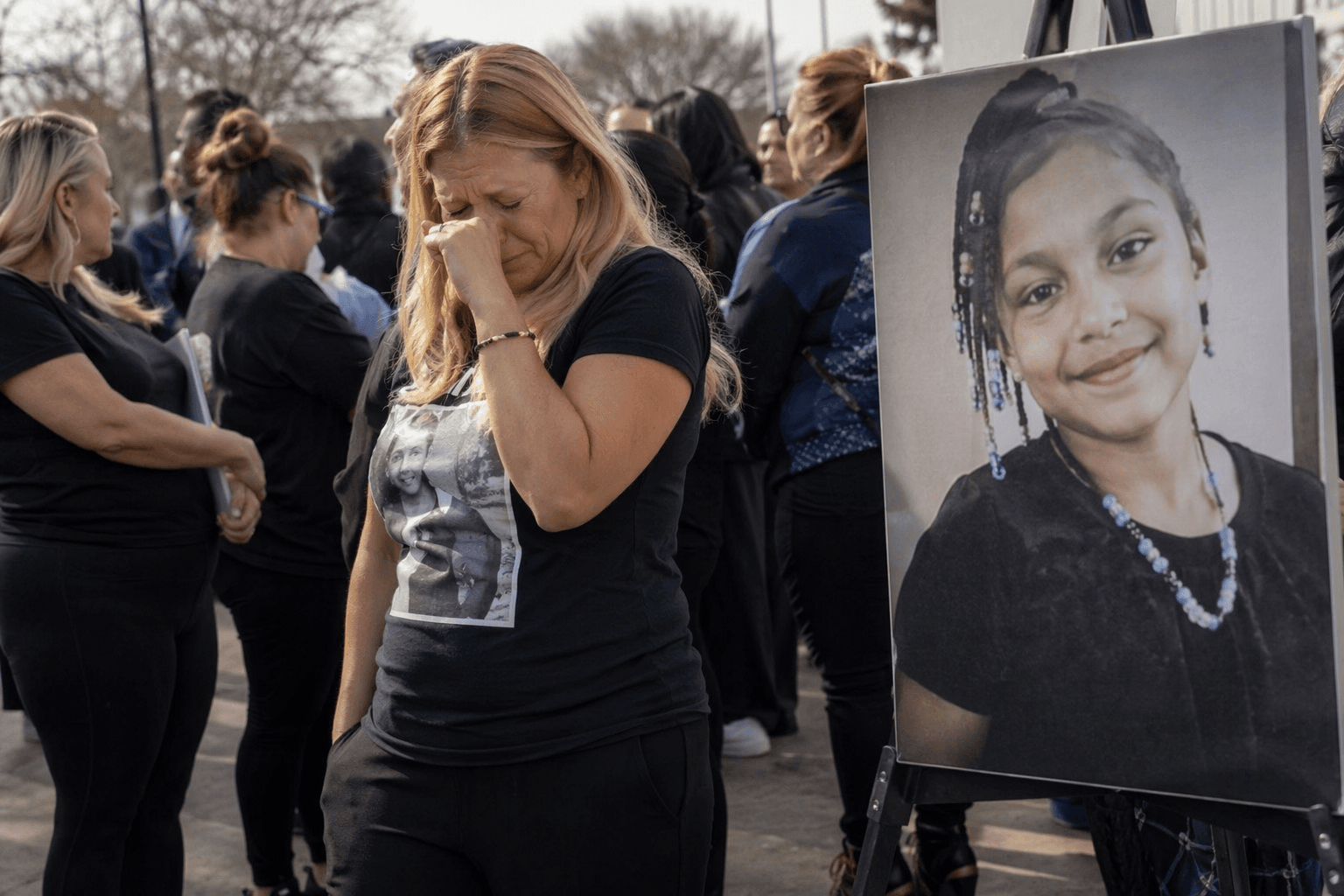
Those safeguards can fail if the information entering the system is already distorted. A caregiver who invents therapists, claims repeated hospital stays or fabricates school discipline problems can make abuse harder to verify and easier to dismiss. For teachers, relatives and mandated reporters, the most urgent warning signs are the ones that do not match up: stories about treatment that no office can confirm, unexplained gaps in school attendance, injuries that keep changing shape or origin, and a child whose condition is described very differently by different adults.
Suffolk County’s abuse-reporting process directs suspected maltreatment through county social services, underscoring how much local institutions depend on accurate reporting at the first point of contact. The stakes are even higher in a case with this history: records and sources have shown Kelly was the mother of two other children who died in past decades, adding a grim backdrop to the allegations now before the court.
Fabricated or induced illness is recognized as a form of child abuse when a parent or carer exaggerates or deliberately causes symptoms in a child. In Duncan’s case, prosecutors say the alleged lies were not just cover, but part of the harm itself.
This article was produced by Prism’s automated news system from verified source data, official records, and press releases, then run through automated quality and moderation checks before publishing. The system is built and supervised by the people who set the standards it runs under. Read our full AI policy.
Did this article answer your question?

