Suffolk school districts head back to voters after budget defeats
Bayport-Blue Point will ask voters again on June 16 after a 679-568 defeat, as Islip, South Country and Three Village also rewrite budgets.

Bayport-Blue Point voters will get the first second chance, with the district returning June 16 after its $88,387,020 budget lost 679-568. The proposal had called for a 2.75% tax levy increase to $63,862,845 even though the district’s tax cap was negative 0.76%, a gap that put more pressure on local tax bills and forced the district back to the drawing board.
The same budget strain is now moving across Suffolk County. Islip’s $106,244,044 plan was defeated 859-639, South Country is returning while superintendent Antonio Santana has resigned amid a fiscal crisis, and Three Village is also heading back to voters after a defeat even though its budget stayed within the cap. Five Long Island districts are in this round of revotes, including Locust Valley, but the stakes for Suffolk families are immediate: the next proposals will determine how much is protected in staffing, class size, extracurriculars, transportation and student services, and how much gets cut to make the numbers work.
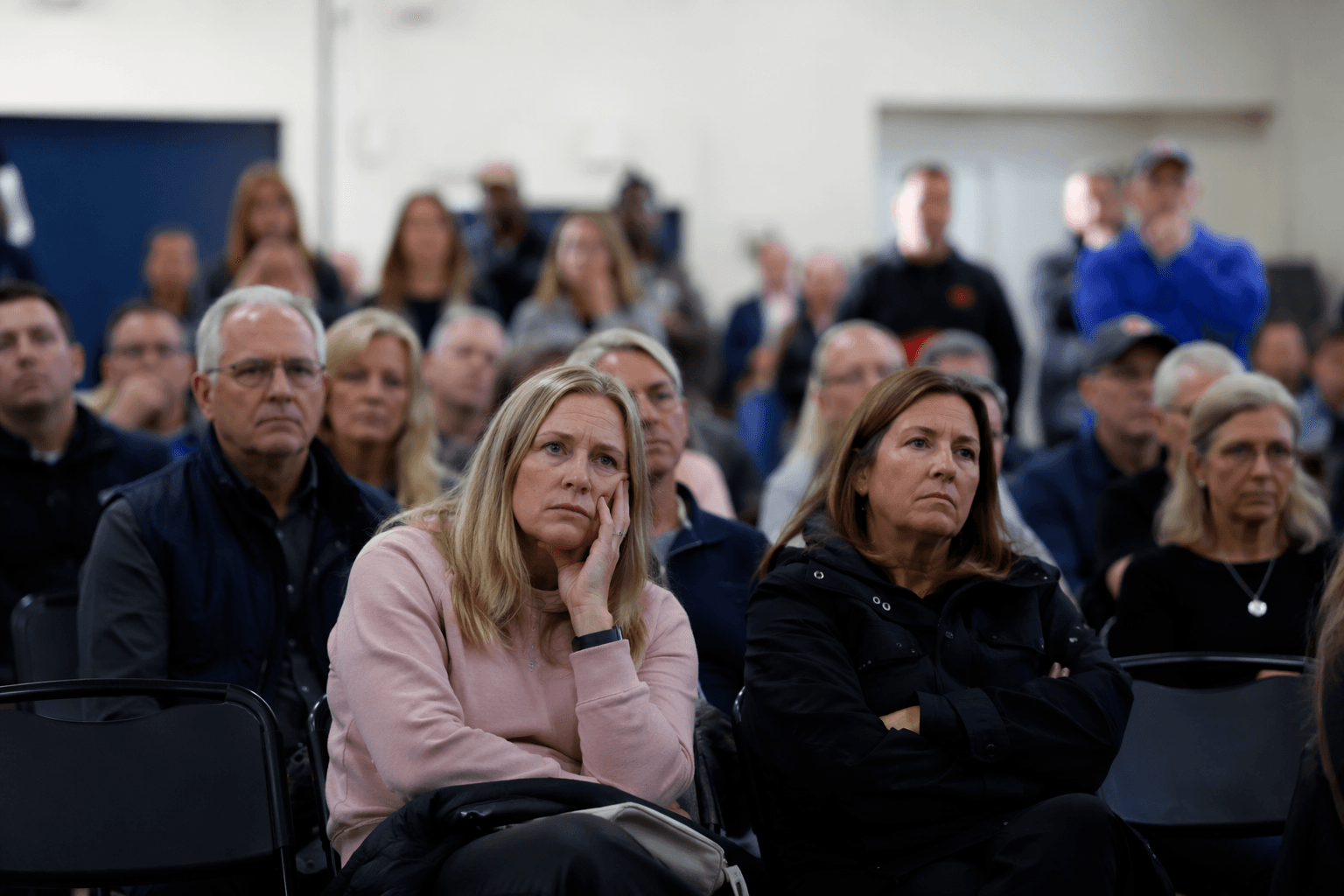
Bayport-Blue Point has already set its revote for 7 a.m. to 9 p.m. in the high school gymnasium. The district is still seeking a tax cap override, but at a lower rate than before, signaling that officials have chosen to tighten the ask rather than risk sending the same plan back unchanged. Under state rules, if voters reject a budget that exceeds the levy limit, the revised proposal must win 60% approval to pass.
Islip faces the same math with a different starting point. Its allowable tax levy limit was 2.22%, and the district now has to decide how much spending to trim before going back out to residents. For homeowners, the difference between a budget that passes and one that fails can show up in the property-tax bill; for school leaders, it can mean cutting deeper into programs or preserving more of the district’s existing operations.
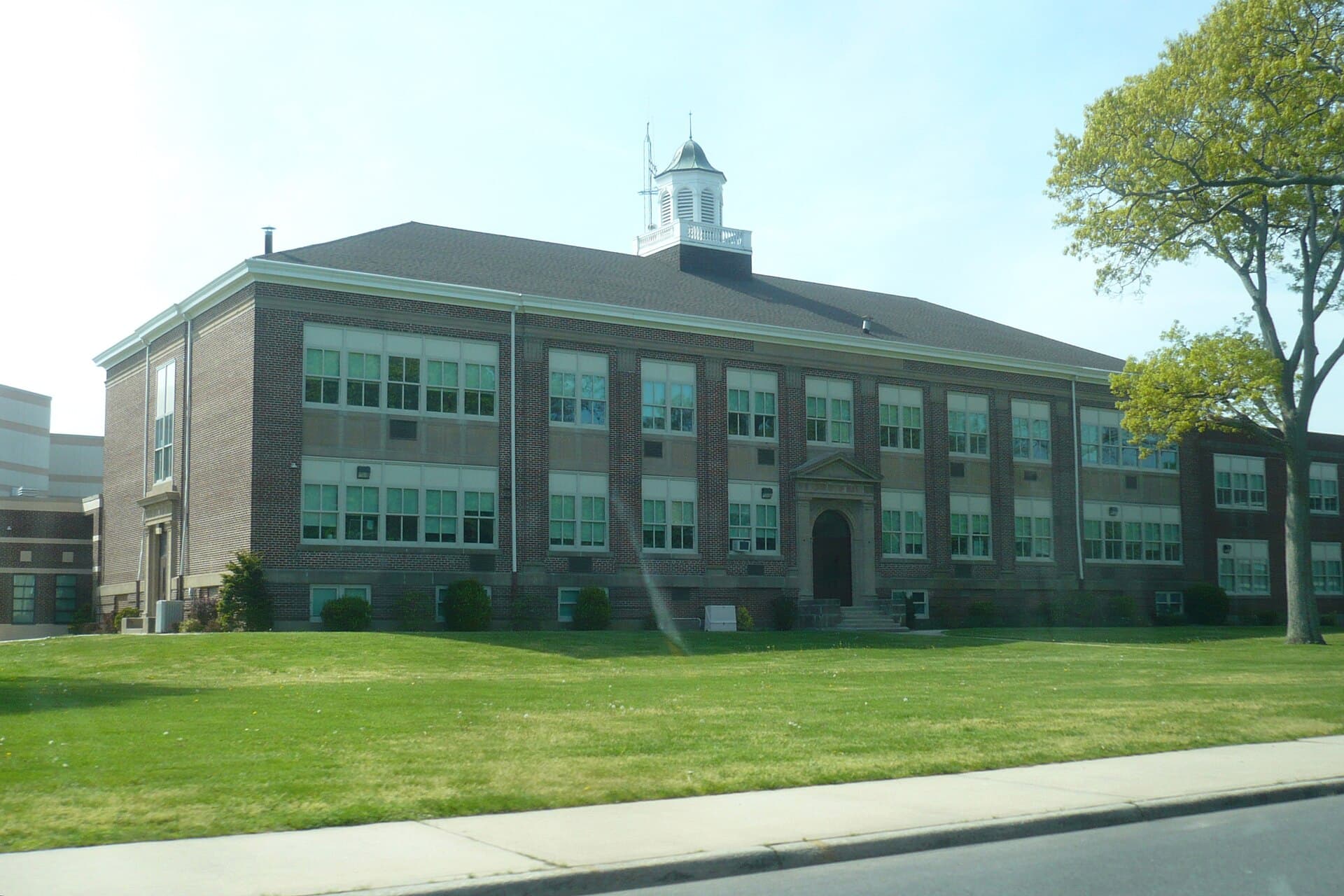
South Country and Three Village now have the added burden of rebuilding trust after their defeats. If any district chooses a contingency budget, New York Education Department guidance says it cannot levy more property tax than the prior school year. That rule limits how much revenue districts can raise on the fallback path, making the second vote a direct tradeoff between taxes now and the services families want schools to keep.
This article was produced by Prism’s automated news system from verified source data, official records, and press releases, then run through automated quality and moderation checks before publishing. The system is built and supervised by the people who set the standards it runs under. Read our full AI policy.
Did this article answer your question?