Suffolk tax rolls frozen for decades leave property assessments uneven
Frozen since the early 1970s, Suffolk's town rolls still lean on equalization rates, and homeowners from Manorville to Kings Park can face very different bills.
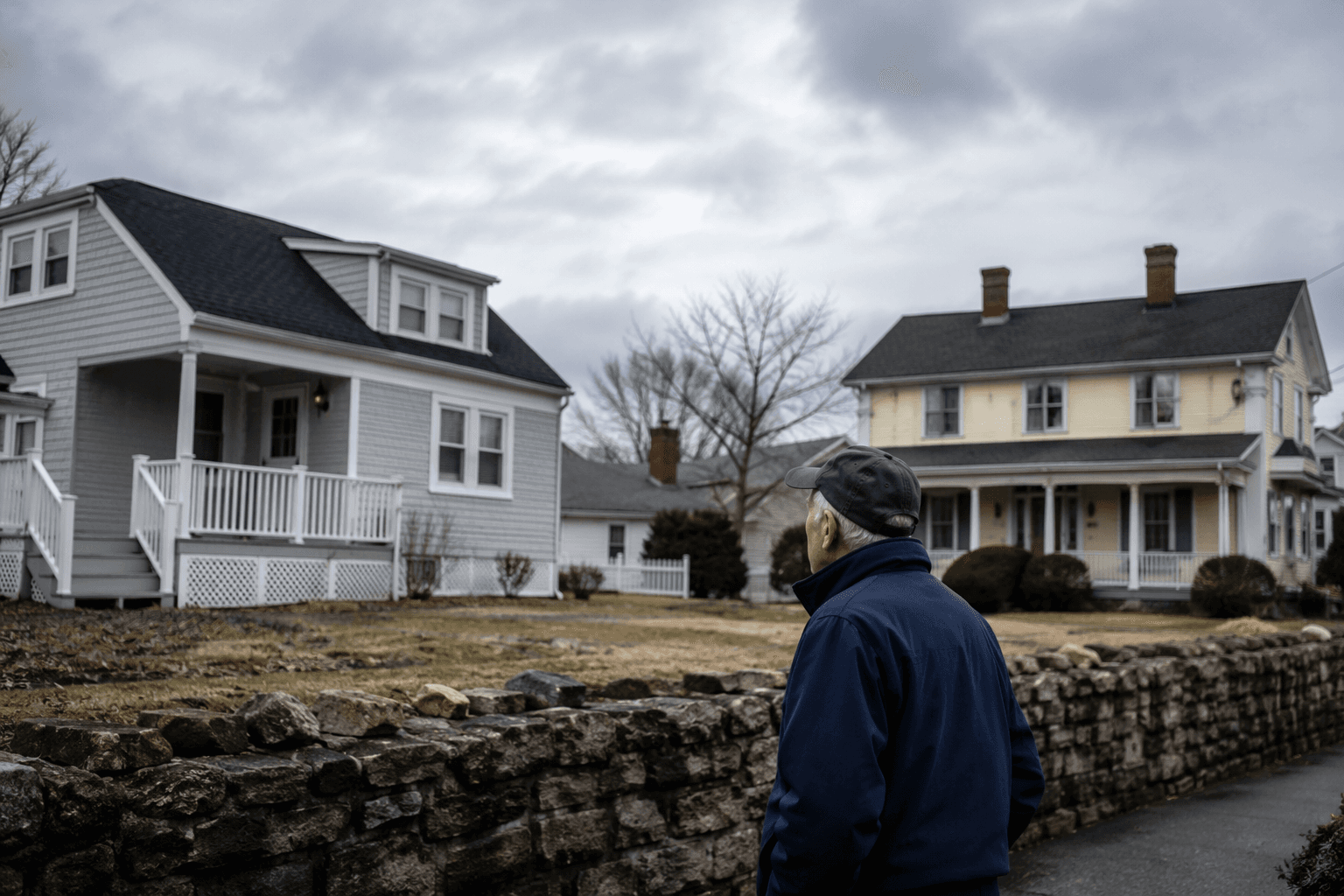
Suffolk County’s 10 towns still rely on a patchwork of assessment rolls that have not been broadly updated since at least the early 1970s, a system that can leave neighbors in similar homes paying very different property taxes. Wayne Breimann’s Manorville bill came to about $15,000, while Eileen and Peter Vetri paid about $11,000 a year on their Kings Park home, reminders that the county’s tax bills are shaped by valuations that often lag behind today’s market.
New York State law says municipalities outside New York City and Nassau County must assess property at market value or at the same uniform percentage of market value each year. Suffolk has long deviated from that standard, with the assessor or board of assessors in each town responsible for placing valuations on real estate and the state’s equalization rate used to measure each municipality’s level of assessment for tax purposes. The equalization rate is the ratio of total assessed value to total market value, a tool meant to make tax burdens more equitable when local rolls do not move together.
Suffolk County Legislature resolution 899-2023 showed how deeply that system is still embedded. The resolution cited a State Board of Equalization and Assessment report dated Oct. 2, 2023 and set equalized real property valuations for the assessment rolls of the county’s 10 towns. In other words, the county is still using equalization to patch over local rolls that remain out of sync.
This is not a new problem. A Jan. 7, 1974 New York Times report said county officials hoped to broaden the tax base and persuade Suffolk’s 10 towns to adopt uniform methods of property-tax assessment. Half a century later, Newsday has described Suffolk’s tax rolls as frozen for decades, while also reporting that tax challenges on the East End have surged as housing prices climbed and more homeowners pushed back on assessments.
The strain has shown up elsewhere too. News12 New York reported in January 2025 that equalization-rate changes left some Suffolk County taxpayers in parts of the Farmingdale and Amityville school districts facing higher school tax bills. Newsday also reported in 2025 that Long Islanders remained dissatisfied with property tax systems and worried about affordability, underscoring how a technical assessment system has become a household issue.
Property taxes raise more than $26 billion annually in New York, making accuracy in assessment rolls a major issue of local government accountability. In Suffolk, the longer towns delay a countywide fix, the longer homeowners are left to shoulder bills that can reflect the age of the roll more than the value of the house.
This article was produced by Prism’s automated news system from verified source data, official records, and press releases, then run through automated quality and moderation checks before publishing. The system is built and supervised by the people who set the standards it runs under. Read our full AI policy.
Did this article answer your question?