Suffolk warns of blue-green algae bloom in Springs’ Swan Pond
Testing confirmed blue-green algae in Swan Pond off Isle of Wight Road, and Suffolk told Springs families to keep children and pets out of the water.
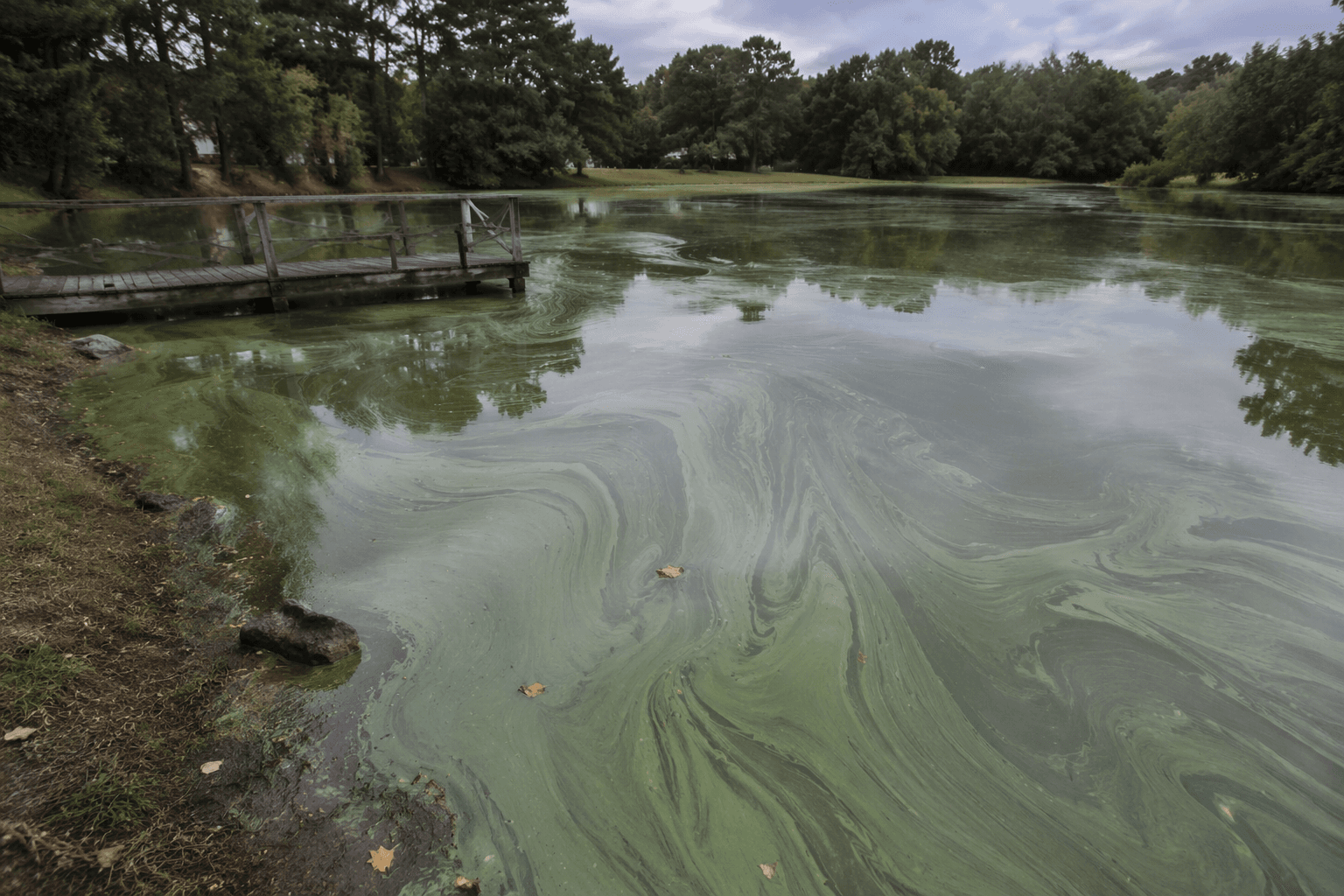
Suffolk County health officials warned Springs residents to stay out of Swan Pond after surface-water samples analyzed by Stony Brook Southampton confirmed a new cyanobacteria bloom in the pond off Isle of Wight Road. The May 29 advisory told people not to use the water and to keep children and pets away from the area.
The warning carries immediate household consequences. Blue-green algae, also known as cyanobacteria, can turn a local pond into a public-health risk for anyone who walks, wades, fishes nearby or lets a dog drink from the water. County guidance says anyone who comes in contact with suspected bloom water should rinse with clean water right away and seek medical attention for nausea, vomiting or diarrhea, skin, eye or throat irritation, allergic reactions or breathing difficulties.
Swan Pond joins a growing list of East End water bodies flagged this year. Suffolk County issued a cyanobacteria advisory for Wainscott Pond about a week before the Springs alert, and in 2025 the county warned about blooms in Roth Pond in Stony Brook, Wainscott Pond and Lake Agawam in Southampton. The repeated notices show how quickly these blooms can return in shallow freshwater ponds where summer heat and runoff can fuel the problem.
County officials have treated harmful algal blooms as a continuing public-health issue through an ongoing capital project, Public Health Related Harmful Algal Blooms, or CP-8224, run by the Suffolk County Department of Health Services Office of Ecology. The county says the program was created to determine and monitor the extent of harmful algal blooms in Suffolk County waters and assess their public-health impact.
The problem is not limited to a single pond in Springs. Stony Brook University’s research summary said Suffolk County had more lakes with blue-green algal blooms than any other county in New York for eight straight years. That finding gives the Swan Pond warning broader weight, suggesting that recurring blooms may be part of a deeper pattern tied to land use, nutrient runoff, warm weather and the stress on shallow water bodies across the East End.
County officials say suspected blooms at Suffolk County-permitted bathing beaches can be reported to the Office of Ecology at 631-852-5760 or by email. For Swan Pond, the message is more immediate: stay away from the water now, keep pets out and wait for county monitoring to show the bloom has cleared.
This article was produced by Prism’s automated news system from verified source data, official records, and press releases, then run through automated quality and moderation checks before publishing. The system is built and supervised by the people who set the standards it runs under. Read our full AI policy.
Did this article answer your question?