Tracking Suffolk’s Eastern box turtles amid declining populations
Suffolk’s turtle surveys are tracking a species that may have fallen more than 30% in 50 years. Development pressure and road kills are pushing it back.
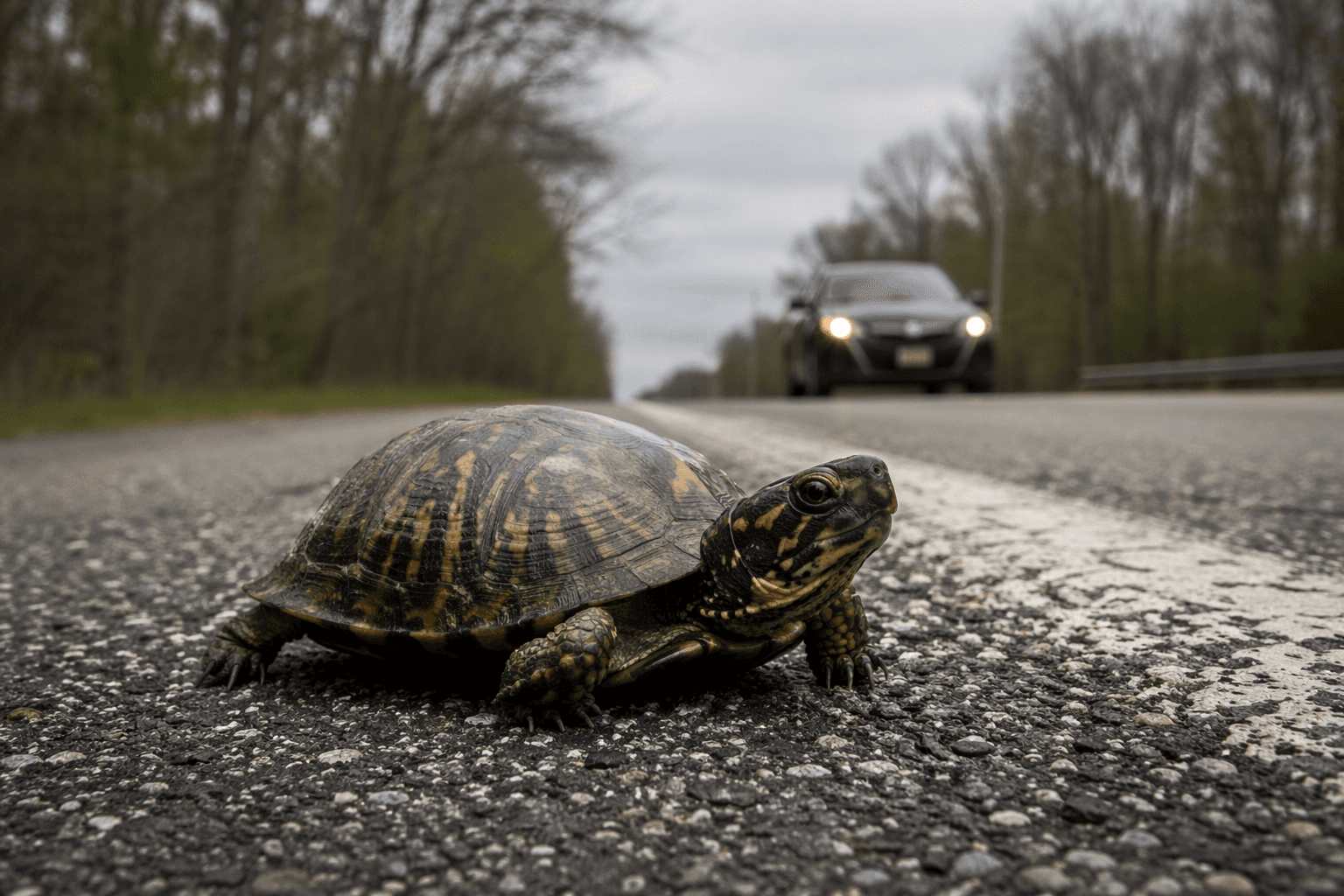
Suffolk County’s eastern box turtles are becoming a land-use warning as much as a wildlife story. The species is slow to recover, slow to reproduce and increasingly boxed in by roads, fragmented woods and development pressure across Long Island.
In New York, the only eastern box turtle subspecies is Terrapene carolina carolina, the woodland box turtle. State conservation materials place New York at the northern edge of its range, and list the species as Special Concern, with a global rank of G5 and a New York rank of S3. The turtle is relatively uncommon in the state, found mainly on Long Island, in southeastern New York and only sparsely northward along the Hudson Valley.
The decline matters because the state’s own assessments point to a long slide. New York wildlife documents say the species is thought to be declining across its range, with population data suggesting an ongoing gradual drop that may exceed 30 percent over the last 50 years. The threats are familiar to anyone watching Suffolk County grow: habitat loss, habitat fragmentation, road mortality, illegal collection, translocation of captured turtles, subsidized predators and pathogenic organisms. A state wildlife strategy also warned that Long Island habitats are under intense development pressure.
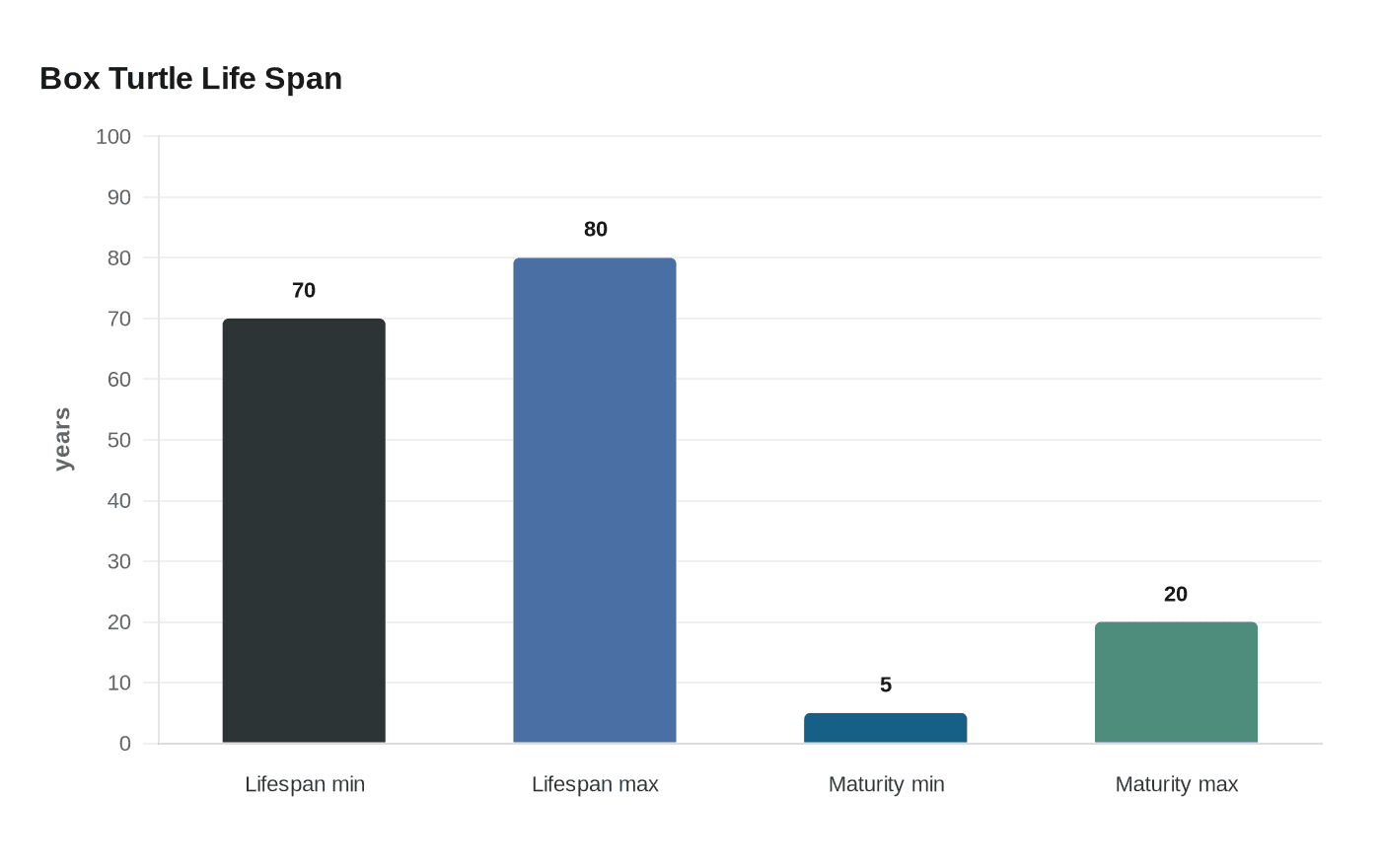
That pressure is especially serious for a turtle that can live 70 to 80 years and may take five to 20 years to reach sexual maturity. State strategy documents say juvenile turtles are seldom encountered in surveys, a sign that some local populations may not be replacing themselves fast enough to hold steady. In practice, that means every road cut, cleared lot and isolated patch of woods can leave a lasting mark on a population that cannot rebound quickly.
The New York State Department of Environmental Conservation says population monitoring surveys were completed in Suffolk County with support from the Northeast Regional Conservation Needs Program. Those surveys give land managers a baseline for judging where turtles remain, where habitat is still connected and where development is most likely to sever those links. That kind of data can shape future conservation decisions in Suffolk towns and villages reviewing subdivisions, road projects and open-space plans.
State officials say the goal is straightforward: maintain self-sustaining box turtle populations and enough good-quality habitat across the species’ historic range in New York. In Suffolk County, that goal will depend on whether local governments preserve connected woodland, limit habitat fragmentation and keep road-building from turning a long-lived species into a short-term casualty of growth.
This article was produced by Prism’s automated news system from verified source data, official records, and press releases, then run through automated quality and moderation checks before publishing. The system is built and supervised by the people who set the standards it runs under. Read our full AI policy.
Did this article answer your question?

