Volunteers plant pollinator garden at Great Patchogue Lake to boost habitat, water quality
More than 50 volunteers planted a native garden on Great Patchogue Lake’s south side to filter runoff, support pollinators and test whether the site can deliver real environmental gains.
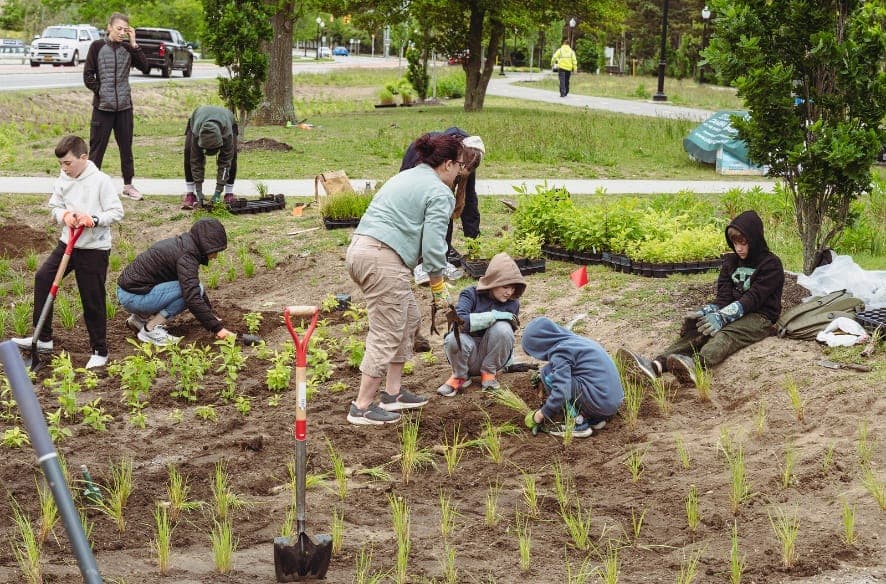
More than 50 volunteers spent part of June 1 planting a native pollinator garden on the south side of Great Patchogue Lake, turning a weekend effort into a test of whether a small shoreline project can do real work for water quality and habitat. The garden was built through a partnership between Citizens Campaign for the Environment and the Village of Patchogue, with native plants chosen to feed and shelter bees, butterflies, dragonflies and other pollinators while also helping filter polluted stormwater runoff before it reaches the lake.
The planting followed a community meeting on April 16 at the Patchogue-Medford Library, where residents were invited to weigh in on the garden plan and get involved. That public input matters because this is not just a beautification project. Citizens Campaign for the Environment has tied the effort to a wider decline in pollinator health, saying New York beekeepers report losing between 40 and 70 percent of their hives annually. The group has also pointed to more than $600,000 in pollinator-garden grants on Long Island in 2025, placing Patchogue’s project within a broader regional push.
The funding includes support from the New York Pollinator Conservation Fund, which is linked to a settlement involving Monsanto and Bayer CropScience over Roundup marketing. State environmental officials have framed pollinator work around habitat enhancement, research and monitoring, outreach and education, and best management practices, part of a strategy launched after the state formed a Pollinator Task Force in 2015 and adopted its first Pollinator Protection Plan in 2016. That backdrop makes the Patchogue garden part of a larger policy effort, not an isolated volunteer project.
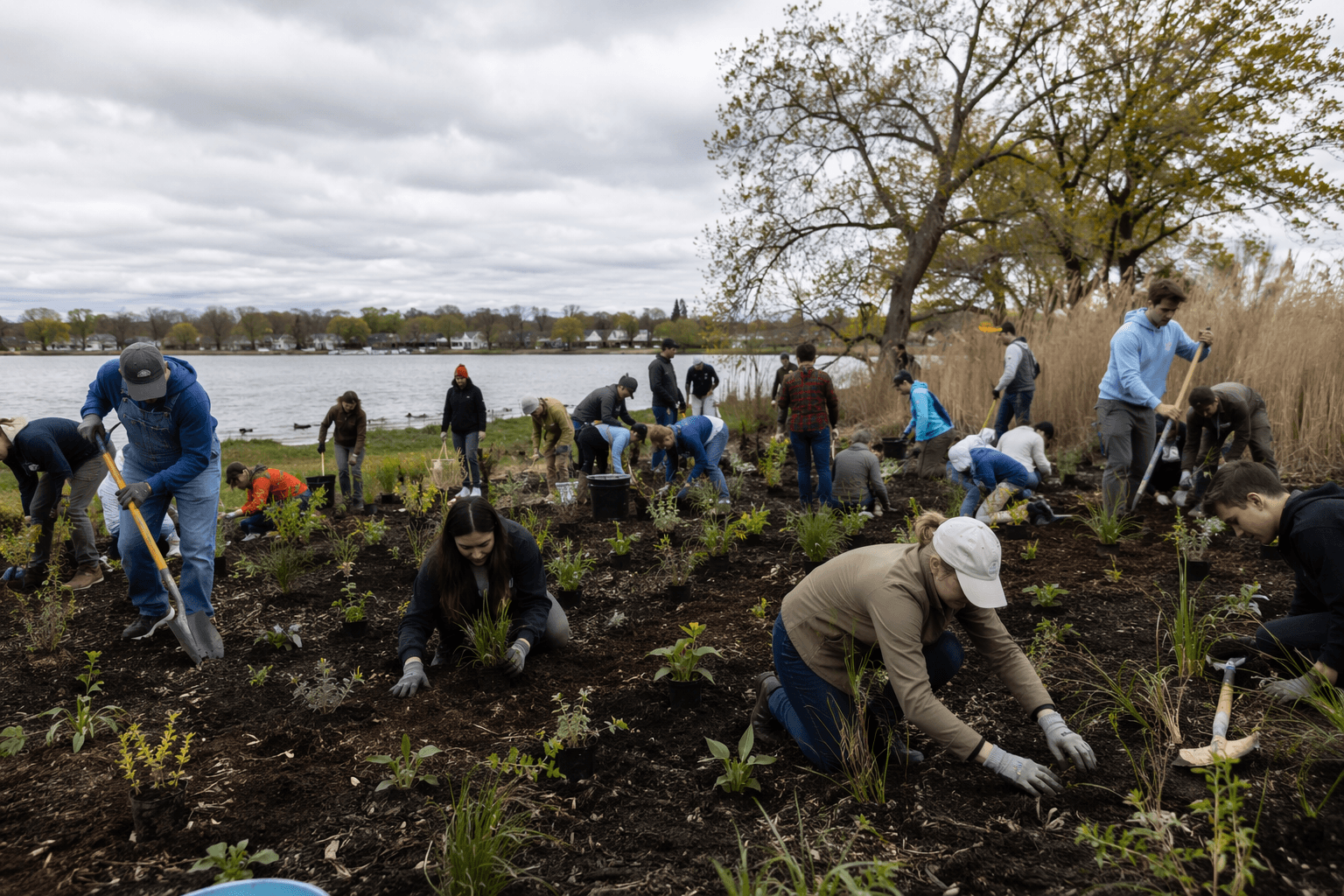
Patchogue Lake itself, which the state also identifies as Lace Mill Pond, adds another layer of local context. The New York State Department of Environmental Conservation describes it as a 40-acre lake with a maximum depth of 7 feet, dammed in the past to provide water power for the textile industry. Informal access is available from East Second Street on the west shore, keeping the shoreline visible and in public view.
Village Clerk and Climate Smart Communities coordinator Lori Devlin said the village is proud to partner on a project that supports pollinators, improves water quality and enhances the natural beauty of the lake area. Adrienne Esposito of Citizens Campaign for the Environment said the effort should attract more pollinators while helping keep pollutants out of the water. The longer-term test will be whether the planting is maintained, whether the native species establish well and whether Patchogue can point to measurable gains that other Suffolk waterfront communities can replicate.
This article was produced by Prism’s automated news system from verified source data, official records, and press releases, then run through automated quality and moderation checks before publishing. The system is built and supervised by the people who set the standards it runs under. Read our full AI policy.
Did this article answer your question?

